


All Categories
Purchase
Mobile
Contact Us
Top
Chinese
All Categories
Products
Suppliers
Purchase Request
Exhibitions/Events
News
Videos
Buyer
Supplier
Home News & Wiki Wiki List
Wiki Details
Share to

Calcium Ascorbate

抗坏血酸钙

English Alias:

Chinese Alias:

Category:

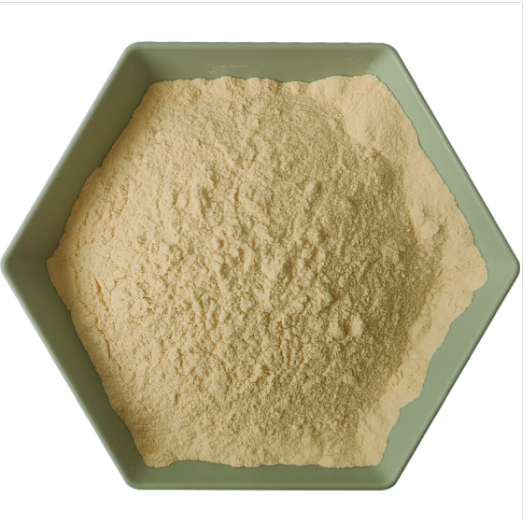
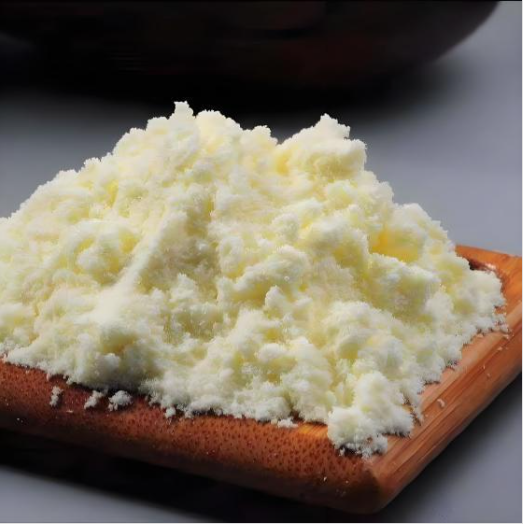
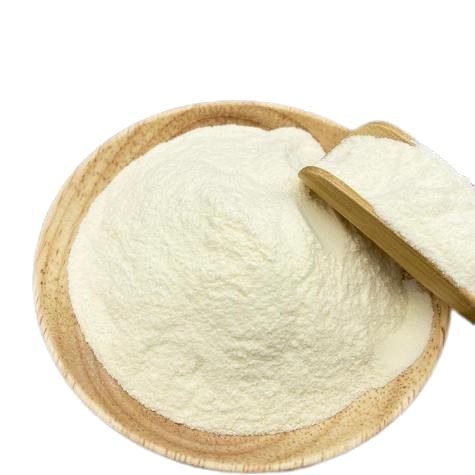
Calcium ascorbate (Calcium Ascorbate,CAS No. 5743-27-1/5743-28-2) is an organic calcium salt prepared by the neutralization reaction of vitamin C (ascorbic acid) with calcium ions, which is white or pale yellow crystalline powder and soluble in water. Its core feature is to provide the antioxidant activity of vitamin C and the nutritional value of calcium at the same time, and the pH value is close to neutral (6.8-7.4), which is mild and non-irritating to the gastrointestinal tract. As a food a
抗坏血酸钙
抗坏血酸钙
Definition
Industry Overview
Technical Standards
Application Areas
Security Control
Development Trends
Policies & Regulations
References
Definition
Core Concepts and Essential Attributes

Calcium ascorbate refers to the calcium salt of vitamin C (ascorbic acid, L-ascorbic acid), the chemical formula is C12H14CaO12 (anhydrous) or C12H14CaO12 · 2H2O (dihydrate), and the molecular weight is 390.31 and 426.34 respectively. From the point of view of chemical classification, it belongs to ascorbate compounds and is one of the important varieties in the food additive industry. According to the classification system of China's national food safety standard GB 2760-2024, its CNS number is 04.009, the international coding system INS number is 302, and the EU food additive E number is E302.

Terminology Disassembly and Naming System

The name system of calcium ascorbate embodies the multi-dimensional standardized positioning. "Ascorbic acid" is derived from its vitamin C activity and can prevent scurvy; "calcium" indicates that it contains calcium. The common name in English is Calcium Ascorbate, which can also be expressed as Calcium diascorbate or Calcium L-ascorbate. The IUPAC system is named Calcium (2R)-2-[(1S)-1,2-dihydroxyethyl]. The chemical name is L(+)-2,3,4,5, 6-pentahydroxy-2-hexenoic acid-Γ-lactone calcium salt. Alias include vitamin C calcium, VC calcium, Calcium ascorbate dihydrate, Calci-C, Hemicalcium ascorbate and other expressions.

Essential Attributes and Category Attribution

In terms of material properties, calcium ascorbate is a metal salt derivative of vitamin C, and its essential feature is that it retains the L-ascorbic acid skeleton structure of vitamin C, and at the same time neutralizes the acidic carboxyl group of ascorbic acid through calcium ions. This structural feature makes it have the following essential attributes: first, the pH value is neutral (pH 6.8-7.4 of 10% aqueous solution), which is different from ascorbic acid (strong acidity) and sodium ascorbate (alkaline); Second, the solubility is good, and the solubility in water is about 50g/100mL; Third, it contains about 10% calcium (by mass); Fourth, the optical activity is clear, the specific rotation [α]20D is from +95 ° to +97 °; fifth, the thermal stability is relatively good, and the melting point is 192°C.

synonymous and near-synonymous expressions

Congeners related to calcium ascorbate include: ascorbic acid (Ascorbic Acid,E 300), sodium ascorbate (Sodium Ascorbate,E 301), potassium ascorbate (Potassium Ascorbate). These compounds belong to the 25th meeting of JECFA in 1981 on the unified definition of ascorbic acid and its calcium, potassium, sodium salt group. The difference is that ascorbic acid provides pure vitamin C activity but is acidic; sodium ascorbate is alkaline and has a high sodium content; calcium ascorbate has the dual functions of vitamin C activity and calcium nutrition, and is pH neutral.

Applicable Boundaries and Defining Criteria

The applicable boundary of calcium ascorbate is mainly defined by the following standards: in terms of purity specifications, food-grade products shall meet the requirements of GB 1886.43-2015, and the content (calculated as C12H14CaO12 · 2H2O) shall not be less than 98.0%; Pharmaceutical grade products shall conform to the provisions of the 2020 edition of the Pharmacopoeia of the People's Republic of China, and the content shall not be less than 99.0%; Feed grade products shall meet the requirements of GB 34463-2017. The definition of the scope of use follows the provisions of GB 2760-2024: it can be used for peeled or pre-cut fresh fruits (maximum usage 1.0 g/kg), peeled and cut vegetables (maximum usage 1.0 g/kg), and other kinds of food to be used in appropriate amounts according to production needs.

historical evolution and development context

The industrial preparation of calcium ascorbate can be traced back to 1946, by the United States scientists Ruskin and Schreur through the patent law for the first time. This period coincided with the beginning of the global vitamin industry, and China did not realize the large-scale production of vitamin C until the 1980 s. In the following decades, the synthesis process of calcium ascorbate has undergone continuous improvement: the traditional neutralization method is optimized by orthogonal experiments, and the yield can reach 97.33 and the content can reach 98.24; In 2011, the "one-step synthesis" technology developed by East China University of Science and Technology realized industrialization, increasing the yield from 82% to 91.5 and reducing the wastewater by 40%; In recent years, the membrane separation coupled crystallization technology has increased the purity to more than 99.8; in 2024, the 10,000-ton enzymatic green synthesis process will be industrialized, the reaction temperature will be reduced from the traditional 80 ℃ to 40 ℃, and the by-products will be reduced by 60%.

Interpretation from Multidisciplinary Perspective

From a chemical point of view, calcium ascorbate is the calcium salt form of the carboxyl group in the ascorbic acid molecule, and the structure of ascorbic acid forms an ionic bond with Ca2 + in the form of an anion. From the nutritional point of view, it provides two essential nutrients, vitamin C and calcium, and the bioavailability of calcium is better than that of inorganic calcium salts such as calcium gluconate. From the perspective of food science, its antioxidant mechanism is derived from the reducibility of ascorbic acid groups, which can scavenge oxygen free radicals and inhibit oil oxidation. From a pharmacological point of view, neutral pH makes it less irritating to the gastrointestinal tract and is suitable for vitamin C supplementation for people with gastric sensitivity. From the point of view of industrial chemistry, its production involves the integration of organic synthesis, separation and purification, crystallization engineering and other fields of technology.

Comparative analysis of related concepts

Compared with ascorbic acid, the biggest advantage of calcium ascorbate is neutral pH-ascorbic acid pH of about 2-3, while calcium ascorbate is 6.8-7.4, close to the human physiological pH. This property makes it less aggressive to tooth enamel and less irritating to the gastrointestinal tract. Compared with sodium ascorbate, calcium ascorbate does not contain sodium and is more suitable for patients with hypertension and cardiovascular diseases who need to limit sodium intake. From a functional point of view, all three have antioxidant activity, but calcium ascorbate provides additional calcium nutrition. From the stability point of view, the stability of calcium ascorbate is better than ascorbic acid, but slightly inferior to sodium ascorbate.
Industry Overview
industrial chain structure analysis

The industrial chain of calcium ascorbate presents a typical three-stage structure. The upstream link is the core raw material supply, which mainly includes vitamin C (ascorbic acid) and calcium source. Vitamin C is produced by two-stage fermentation of starch raw materials such as corn and rice. China is the world's largest producer of vitamin C. The output is expected to reach 142000 tons in 2025, accounting for more than 85% of the global production capacity. The calcium source is mainly high-purity calcium carbonate or calcium hydroxide, which needs to be used with deionized water. The quality of upstream raw materials directly affects the purity and yield of midstream products.

The middle part is the synthesis and refined production of calcium ascorbate, and the core process is the neutralization reaction of vitamin C and calcium salt followed by decolorization, filtration, crystallization, vacuum drying and other processes. The traditional process requires CO2 bubble cover layer protection to prevent vitamin C oxidation, and nitrogen protection or vacuum drying technology is used to improve product stability. The main domestic production enterprises are concentrated in North China and East China, using large-scale production mode. The concentration of CR4 in China's vitamin C industry is as high as 91%, represented by Northeast Pharmaceutical, North China Pharmaceutical, Jiangshan Pharmaceutical and Luwei Pharmaceutical, but these enterprises mainly produce vitamin C raw materials, and calcium ascorbate is mostly downstream derivative products.

Downstream applications cover a wide range of end markets such as the food industry (antioxidants, color care agents, nutritional supplements), health products and dietary supplements (38% market share), pharmaceutical preparations (22% market share), cosmetics (antioxidant skin care ingredients) and feed additives (vitamin C supplements for all farmed animals).

Market Size and Growth

According to the market data in 2025, the global calcium ascorbate market sales are about $71.75 to $73.35 million, and the global sales volume in that year is about 17500 tons, with an average selling price of about $4191.6/ton. The market size is expected to reach about $98 to $99 million by 2032, with a compound growth rate (CAGR) of about 4.5 to 4.7 per cent from 2026 to 2032. The industry's gross margin remains in the 20% to 30% range, which is a mature market segment.

From the perspective of market structure, it is divided by application field: dietary supplements account for 38%, food and beverage fortification accounts for 30%, pharmaceutical preparations account for 22%, and other applications account for 10%. Divided by product type: food grade products accounted for 44%, pharmaceutical grade accounted for 32%, nutritional health care products accounted for 16%, high purity/special grade accounted for 8%. By product form: powder form accounts for about 42% of the market share, the largest single product form.

Regional Pattern and Competitive Situation

The global calcium ascorbate market presents obvious regional concentration characteristics. The Asia-Pacific region is the largest regional market, accounting for about 38% to 39% of the global share, mainly due to China's position as the world's largest producer and exporter and the trend of healthy consumption upgrading in the region. The European market accounts for about 27% and the North American market for about 25%. China is not only the world's largest producer, but also an important consumer market. The growth rate of the domestic market is higher than the global average.

In terms of the competitive landscape of the industry, due to the high concentration of upstream raw material supply (VIC CR4 up to 91%), the raw material procurement channels of midstream production enterprises are relatively stable. Product differentiation is mainly reflected in the purity level (food grade 98% vs pharmaceutical grade 99%), particle size distribution, dissolution rate and other indicators. Industry concentration is on the rise, with CR5 rising from about 65% in 2016 to about 73% in the 2020 s.

Industry development stage analysis

The development of the calcium ascorbate industry can be divided into four main stages. The period from 2006 to 2015 is a period of capacity expansion, with annual production capacity increasing from 12000 tons to 48000 tons, with an average annual compound growth rate of about 16.7 per cent, mainly driven by the growing demand of the global food industry and the cost advantage of China's manufacturing industry. 2016 to 2020 is the period of technological upgrading, the industry concentration (CR5) rises from about 65% to 73%, the production technology develops in the direction of high efficiency and green, and the enzymatic process begins to be popularized and applied.

The period from 2021 to 2025 is a green manufacturing period. The industry has entered a stage of high-quality development, with effective production capacity maintained at about 65000 tons, and more emphasis on environmental compliance and sustainable development. From 2026 onwards, it will enter the stage of intelligent and functional integration, intelligent manufacturing technology is applied to production process control, and functional products (such as slow-release dosage forms and compounding agents) have become a new growth point.

Industry pain points and challenges

The current industry development is facing multiple challenges. First, the homogenization competition is fierce, the price competition of conventional food grade products is fierce, and the profit space is squeezed. Second, upstream raw material prices fluctuate, and vitamin C prices are greatly affected by the supply and demand cycle, resulting in fluctuations in the cost of calcium ascorbate. Third, the pressure on environmental protection has increased, the wastewater treatment requirements in the synthesis process have become stricter, and small-capacity enterprises are facing exit pressure. Fourth, international trade barriers, differences in food safety regulations in some countries and regions affect product exports. Fifth, technical barriers to enhance, high-end pharmaceutical grade and special grade products still have a certain technical threshold.

Drivers and Prospects

The development of the industry is mainly driven by the following factors. First, the upgrading of health consumption and the improvement of residents' health awareness led to the growth of demand for functional foods and nutritional supplements. Second, food fortification policies have promoted mandatory or voluntary vitamin fortification programs in many countries to increase the demand for nutritional fortifiers such as calcium ascorbate. Third, the demand for bone health brought about by the aging society is increasing, and the calcium supplement market continues to expand. Fourth, the pet and breeding industry development, feed additives demand steady growth. Fifth, the expansion of emerging applications, such as antioxidant cosmetics, functional beverages and so on.

According to a comprehensive judgment, under the background of the sustainable development of the global health industry, calcium ascorbate, as a characteristic variety with both vitamin C activity and calcium nutrition, will maintain a steady growth trend in market demand, but the growth rate will tend to be rational. Industry competition will focus more on product quality improvement and application technology development.
Technical Standards
international standard system

The international standard for calcium ascorbate is mainly developed by the Joint FAO/WHO Expert Committee on Food Additives (JECFA) and the Codex Alimentarius. At its 25th meeting in 1981, JECFA established the ADI value of ascorbic acid and its calcium, potassium and sodium salt groups as "no special provisions" (not specified), which is considered safe for use under good manufacturing practice conditions. JECFA specification standard clearly stipulates: INS No. 302, content (calculated as C12H14O12Ca · 2H2O) not less than 98%,pH value 6.0 to 7.5, fluoride not more than 10 mg/kg, lead not more than 2 mg/kg.

Codex Alimentarius established an international coding system for food additives in CXG 36-1989, specifying that the INS number of calcium ascorbate is 302. This coding system provides a unified identification standard for the global food trade, and facilitates regulatory agencies and enterprises in various countries to make compliance judgments when importing and exporting food.

national standard system

China has established a complete national standard system for calcium ascorbate, covering three application areas: food additives, feed additives and medicinal raw materials.

In terms of food additive standards, GB 1886.43-2015 "National Food Safety Standard Food Additive Calcium Ascorbate" is the core quality specification standard, which stipulates the sensory requirements of products (white or light yellow crystalline powder, odorless), physical and chemical indexes (content ≥ 98.0, specific rotation +95 to +97, fluoride ≤ 0.001, pH 6.8 to 7.4, arsenic ≤ 3.0 mg/kg, heavy metal ≤ 10.0 mg/kg, oxalate passing the test), identification method (calcium ion identification and ascorbic acid identification) and content determination method (iodometric titration). This standard replaces the previous GB 15809-1995, and has a significant improvement in detection indicators and analysis methods. GB 2760-2024 "National Food Safety Standards for the Use of Food Additives" stipulates the scope and maximum usage of calcium ascorbate: the maximum usage of peeled or pre-cut fresh fruits and vegetables is 1.0 g/kg (based on residues), and other food categories are used in appropriate amounts according to production needs.

In terms of feed additive standards, GB 34463-2017 "Feed Additive L-Calcium Ascorbate" specifies product specifications suitable for animal breeding. Announcement No. 2045 of the Ministry of Agriculture in 2013 listed calcium L-ascorbate as a vitamin and vitamin-like feed additive. The scope of application covers all farmed animals. The recommended addition amount varies according to animal species: 150 to 300 mg/kg for pigs, 50 to 200 mg/kg for poultry and 125 to 500 mg/kg for calves (all based on vitamins).

In terms of standards for medicinal raw materials, the 2020 edition of the Pharmacopoeia of the People's Republic of China stipulates the requirements for pharmaceutical grade calcium ascorbate, with a content of not less than 99.0 percent, which is higher than the food grade standard of 98.0 percent, reflecting the higher purity requirements for medicinal raw materials.

industry standard system

S. Food and Drug Administration (FDA) through the Code of Federal Regulations, Title 21 (CFR). 21 CFR 182.3189 and 21 CFR 582.3189 identify calcium ascorbate as a generally recognized as safe (GRAS) substance, confirming that it is safe when used in accordance with good manufacturing practices. Notably, the FDA proposed removing calcium ascorbate from the GRAS list in 1983, citing a lack of information on use, but ultimately retained its GRAS status after evaluation.

The United States Pharmacopeia (USP/NF 2024), the European Pharmacopeia (EP 11.0) and the Food Chemicals Codex (FCC) all contain quality specifications for calcium ascorbate to provide a reference for global trade and product quality control. These standards have their own characteristics in terms of content determination methods, impurity limits, test methods, etc. Enterprises usually need to select the corresponding standards for production and certification according to the requirements of the target market.

Standard Evolution

The evolution of China's calcium ascorbate standard reflects the development process of the industry from start to maturity. GB 15809-1995 formulated in 1995 is the first national food safety standard specifically for calcium ascorbate, which establishes the basic specification framework. GB 1886.43-2015 released in 2015 has completely revised the original standard. The main changes include: improving the identification method (adding the specific method for identifying ascorbic acid with dicloindophenol sodium test solution), refining the physical and chemical indexes (increasing the specific rotation range and clarifying the fluoride index), and improving the detection accuracy (adjusting the detection limit of arsenic from the original lower level to 3.0 mg/kg).

The updated GB 2760-2024 in 2024 adjusted the regulations on the use of food additives. On the premise of ensuring safety, it further clarified the scope of use of calcium ascorbate and refined the regulations on the maximum use of fresh fruit and vegetable products.

Comparison of Chinese and International Standards

There are differences in key indicators in the standards of different countries and regions. In terms of purity requirements, GB 1886.43-2015 in China stipulates that the content is ≥ 98.0 (calculated as dihydrate), which is consistent with JECFA specification. USP/NF requires content ≥ 98.0; EP requires content between 98.0 and 101.0; The Chinese Pharmacopoeia requires the highest requirement of ≥ 99.0.

In terms of the limit of harmful substances, the difference is more obvious. JECFA has the most stringent requirement for lead (≤ 2 mg/kg). GB 1886.43-2015 in China is indirectly controlled by total heavy metal index (≤ 10 mg/kg, calculated by Pb). JECFA has a limit of ≤ 10 mg/kg for fluoride, and GB in China has a limit of ≤ 0.001 (equivalent to ≤ 10 mg/kg). These differences require export enterprises to adjust production processes and quality control strategies according to the standards of the target market.

Certification System and Compliance Requirements

Calcium ascorbate manufacturers usually need to establish the following certification system: food safety management system certification (such as ISO 22000 or FSSC 22000), food additive production license (SC certificate), Kosher certification (for the Jewish market), Halal certification (for the Muslim market), organic product certification (for organic food products), etc. Pharmaceutical grade products also need to pass GMP certification.

Standards Implementation and Quality Control

The implementation of the standard involves three links: raw material control, process monitoring and finished product inspection. Raw material control focuses on the quality of vitamin C and calcium sources, as well as the purity of production water. Process monitoring includes the control of key parameters such as reaction temperature, pH, and reaction time. The finished product inspection shall be carried out in strict accordance with the inspection methods of the corresponding standards. Leading companies have also established corporate standards higher than national standards to meet the quality requirements of high-end customers.

Future standard development direction

Looking forward to the future, the calcium ascorbate standard will develop in the following directions: first, the green index will be strengthened. With the improvement of environmental protection requirements, the standard may increase the requirements for environmental friendliness of the production process; Second, the control of trace elements will become stricter, and the development of high-sensitivity detection technology will promote the further reduction of the limit of heavy metals such as lead and arsenic. Third, the improvement of functional indicators may increase the evaluation methods for specific functional activity; Fourth, the update of JECFA and Codex standards will promote the mutual recognition of national standards; fifth, the establishment of new dosage form standards, for slow-release microspheres, liposomes and other new dosage form products to develop special specifications.
Application Areas
More Reading
View More
Procurement Opportunity
View More
Feeder System

Grö***Bladet AB Company Profile

2026-05-12

Validity Remaining 36 Day
Submit Quote
Domino Inkjet Printer

Grö***Bladet AB Company Profile

2026-05-12

Validity Remaining 36 Day
Submit Quote
Vertical Form Fill Seal (VFFS)

Grö***Bladet AB Company Profile

2026-05-12

Validity Remaining 36 Day
Submit Quote
Working Platform

Grö***Bladet AB Company Profile

2026-05-12

Validity Remaining 36 Day
Submit Quote
Multihead Weigher

Grö***Bladet AB Company Profile

2026-05-12

Validity Remaining 36 Day
Submit Quote
Z-Type Bucket Elevator

Grö***Bladet AB Company Profile

2026-05-12

Validity Remaining 36 Day
Submit Quote
10 Heads Weigher packing machine

ibr***m@gronabladet.se

2026-05-12

Validity Remaining 36 Day
Submit Quote
Spout pouch

mim***lab manufacturing company limited

2026-05-12

Validity Remaining 36 Day
Submit Quote
new vertical sealing jaws

Nat*** One dairy PTY LTD

2026-05-12

Validity Remaining 36 Day
Submit Quote
inquiry of milk powder

0

2026-01-21

Validity Expired
Submit Quote
Feeder System

Gröna Bladet AB Company Profile

2026-05-12

Validity Remaining 36 Day
Submit Quote
Domino Inkjet Printer

Gröna Bladet AB Company Profile

2026-05-12

Validity Remaining 36 Day
Submit Quote
Vertical Form Fill Seal (VFFS)

Gröna Bladet AB Company Profile

2026-05-12

Validity Remaining 36 Day
Submit Quote
Working Platform

Gröna Bladet AB Company Profile

2026-05-12

Validity Remaining 36 Day
Submit Quote
Multihead Weigher

Gröna Bladet AB Company Profile

2026-05-12

Validity Remaining 36 Day
Submit Quote
Z-Type Bucket Elevator

Gröna Bladet AB Company Profile

2026-05-12

Validity Remaining 36 Day
Submit Quote
10 Heads Weigher packing machine

ibrahim@gronabladet.se

2026-05-12

Validity Remaining 36 Day
Submit Quote
Spout pouch

mimcoslab manufacturing company limited

2026-05-12

Validity Remaining 36 Day
Submit Quote
new vertical sealing jaws

Nature One dairy PTY LTD

2026-05-12

Validity Remaining 36 Day
Submit Quote
inquiry of milk powder

0

2026-01-21

Validity Expired
Submit Quote
Wiki Contribution

Become a creator on our food processing and packaging platform~

Submit Article