Definition
Methyl cellulose (Methyl Cellulose)
Basic definition of 1.1
Methyl cellulose, English name is Methyl Cellulose, referred to as MC, is a kind of semi synthetic polymer polysaccharide obtained by chemical modification of natural cellulose. Its chemical name is cellulose methyl ether (Cellulose Methyl Ether), the international food additive coding system (INS) number is E461, and the Chinese coding system (CNS) number is 20.043. Methyl cellulose is mainly used as a thickener, stabilizer and emulsifier in the food industry, and has important functional properties such as film formation and water retention.
From the perspective of chemical structure, methyl cellulose is a derivative of cellulose molecule in which part of the hydroxyl group (-OH) is substituted by methoxy group (-OCH). Cellulose is a kind of natural polymer compound widely existing in nature, which is composed of many glucose units connected by β-1, 4-glycosidic bonds. Each glucose unit contains hydroxyl functional groups at the C- 2, C- 3 and C- 6 positions. During the synthesis of methylcellulose, these hydroxyl functions undergo an etherification reaction with a methylating agent, usually methyl chloride, to introduce methoxy groups.
1.2 chemical structure and molecular characteristics
The general structural formula of methyl cellulose can be expressed as [cis h (oh) (OCH)], where x = 1.00~1.55,y = 2.00~1.45,x + y = (y is the degree of substitution). This structural feature determines the significant difference in physical and chemical properties between methyl cellulose and natural cellulose.
The degree of Substitution (DS) is a key parameter describing the chemical structure of methylcellulose and is defined as the average number of hydroxyl groups substituted by methoxyl groups per glucose unit. Each glucose unit in the cellulose molecule can be substituted with up to three methoxy groups, so that the theoretical maximum degree of substitution is 3.0. However, in actual food grade methylcellulose products, the degree of substitution is usually controlled in the range of 1.3 to 2.6. When the degree of substitution is lower than 1.3, the product is soluble in alkali solution; when the degree of substitution is higher than 2.6, the product is only soluble in organic solvents; and when the degree of substitution is between 1.3 and 2.6, the product is soluble in cold water, pyridine, aniline, trimethylformamide, benzyl alcohol and glacial acetic acid.
According to GB 1886.256-2024 "National Food Safety Standard Food Additive Methyl Cellulose", the methoxyl content of food additive methyl cellulose should be controlled between 27.5 and 31.5 (on a dry basis), and the corresponding degree of substitution is about 1.7 to 2.2. This degree of substitution range ensures that the methylcellulose has good water solubility and thermogelling properties and is suitable for use as a food additive.
The molecular weight range of methyl cellulose is wide, and the molecular weight of different product specifications varies significantly. The molecular weight of the low viscosity grade methylcellulose is about 20,000 to 50,000 daltons, while the molecular weight of the high viscosity grade product can reach 180,000 to 380,000 daltons. The size of the molecular weight directly affects the viscosity characteristics and application performance of the product, so the actual production will choose the appropriate viscosity level of the product according to different uses.
1.3 physical and chemical properties
Methyl cellulose appears as a white or nearly white fibrous powder or granular substance, odorless and tasteless, with slight hygroscopicity. Its density is about 1.3g/cm3, and its apparent density is between 0.25 and 0.7g/cm3. These physical properties make the methylcellulose convenient for storage, transportation, and dispersion applications in various systems.
In terms of water solubility, methylcellulose exhibits a unique temperature-dependent dissolution behavior. Under normal or low temperature conditions, methyl cellulose can be dissolved in cold water to form a transparent or slightly opalescent viscous colloidal solution; however, when the solution is heated, methyl cellulose will precipitate from the solution to form a gel. This property is called "thermal gelation"(Thermal Gelation) and is an important feature that distinguishes methylcellulose from most other water-soluble polymers. The gel temperature of the aqueous solution of methyl cellulose is usually in the range of 50-70°C, and the specific temperature depends on factors such as the degree of substitution, molecular weight and solution concentration of the product. The higher the degree of substitution and viscosity of the product, the lower the gel temperature.
The aqueous solution of methyl cellulose is stable in the pH range of 2~12, which makes it suitable for the processing needs of a variety of food systems. However, when the pH is lower than 3, the glucose-glucose bonds in the cellulose molecule undergo acid-catalyzed hydrolysis, resulting in a decrease in the viscosity of the solution. The heat treatment also causes the solution to drop in viscosity until a gel is formed at about 50°C.
As a nonionic polymer compound, methylcellulose has excellent chemical compatibility. It can be used with a variety of food ingredients and other food additives without flocculation or precipitation due to charge interactions. Polyvalent metal ions (such as calcium, magnesium, etc.) usually can not precipitate methyl cellulose solution, which is different from anionic polymer compounds (such as sodium carboxymethyl cellulose). However, gelling of the methylcellulose solution may still occur when the electrolyte concentration or other soluble substances exceed a certain limit.
Aqueous methylcellulose solutions also exhibit significant surface activity due to the simultaneous presence of hydrophilic hydroxyl/methoxy groups and a certain degree of hydrophobic character in the molecule. This surface activity gives methyl cellulose a certain emulsifying capacity and can be used to stabilize water-oil mixtures. After drying, the aqueous solution of methyl cellulose can form a transparent and tough film, and the film has good flexibility and oil impermeability.
1.4 thermal gelation mechanism
The unique thermal gel properties of methyl cellulose are one of its most striking physical and chemical properties. At low temperature, the methoxy group in the methyl cellulose molecule combines with the water molecule through hydrogen bonding, forming a stable hydrated structure, the molecular chain remains extended, and the solution presents a viscous fluid state. When the solution is heated, the thermal energy gradually destroys the hydrogen bonding between the methoxy group and the water molecules, resulting in the shrinkage of the hydrated layer, the hydrophobic interaction of the molecular chain segments, the formation of a physical cross-linked network structure, and finally the gel state.
This heat-induced gelation process is reversible-when the gel system is cooled, hydrogen bonds are re-formed, the gel network is dissociated, and the system returns to a flowing liquid state. This thermoreversible property has important applications in food processing, such as in baked goods, where methylcellulose provides structural support during dough fermentation and baking without adverse taste effects in the cooled product.
Notably, the thermal gelation temperature of methylcellulose is influenced by a variety of factors. The higher the degree of substitution, the greater the methoxy content, the lower the gel temperature; the higher the solution concentration, the lower the gel temperature; the larger the molecular weight of the product, the lower the gel temperature is usually. In addition, the presence of ionic strength, pH and other soluble substances in the solution will also have varying degrees of influence on the gel temperature. In practical applications, by selecting the appropriate specifications of the methylcellulose product, the desired thermal gelling behavior can be precisely controlled.
1.5 production and preparation process
The industrial production of methyl cellulose uses alkali cellulose etherification process, the main raw material is wood pulp or cotton pulp and other natural cellulose. The production process can be roughly divided into three main stages: alkalization treatment, etherification reaction and post-treatment.
In the alkalization treatment stage, the natural cellulose pulp is first contacted with sodium hydroxide solution, and the alkalization reaction occurs to generate alkali cellulose. During the alkalization process, sodium hydroxide penetrates into the amorphous and partially crystalline regions of cellulose fibers, forming a sodium alkoxide structure with hydroxyl groups on the cellulose molecular chain. This step is critical to the efficiency of the subsequent etherification reaction because it increases the reactivity of the hydroxyl groups in the cellulose molecule. The preparation of alkali cellulose is usually carried out at a temperature of 15-35°C, and the concentration of sodium hydroxide solution is controlled between 27.5-45.0%.
The etherification reaction stage is the core step of methyl cellulose production. The prepared alkali cellulose is etherified with a methylating agent (mainly methyl chloride) in a high-pressure reactor. During the reaction, the sodium alkoxide structure in alkali cellulose reacts with chloromethane, and the methoxy group is introduced into the cellulose molecular chain. The etherification reaction is an exothermic process, the reaction temperature is usually controlled in the range of 35-75°C, and the reaction pressure is about 0.49-1.7 MPa.
According to the different reaction medium and process conditions, the industrial production methods of methyl cellulose are mainly divided into gas phase method, liquid phase method and homogeneous phase method. The gas phase method is a traditional process used earlier. The alkali cellulose reacts directly with the circulating methyl chloride gas, but due to the non-uniformity of the gas-solid phase reaction, the degree of substitution and the efficiency of etherification are low. The liquid phase method uses liquid methyl chloride as the dispersion medium, and alkali cellulose is suspended in it for reaction. The reaction is more uniform, and the degree of substitution and etherification efficiency are relatively high. It is currently the most widely used production method. Homogeneous method is a new process developed in recent years, cellulose is first dissolved in a specific solvent system to form a homogeneous system, and then etherification reaction can be carried out to obtain a more uniform degree of substitution distribution of the product.
The post-treatment stage includes the steps of neutralization, washing, drying and pulverization. After completion of the etherification reaction, it is necessary to neutralize the residual alkali with acidic hot water, followed by removing by-products such as sodium chloride, methanol and the like produced by multistage washing. The washed product is dried to remove moisture, and finally pulverized to obtain a powder product that meets the particle size requirements. The drying temperature is usually controlled at 105°C ± 2°C, and the drying time is about 2 hours to ensure that the moisture content of the product meets the standard requirements.
1.6 Related Cellulose Ethers
Methylcellulose is an important member of the large family of cellulose ethers. Cellulose ether refers to a large class of derivatives formed by the substitution of hydroxyl groups in cellulose molecules by alkoxy groups, which can be divided into various types according to the different substitution groups. Cellulose ether thickeners commonly used in the food industry include methyl cellulose (MC,E461), hydroxypropyl methyl cellulose (HPMC,E464), sodium carboxymethyl cellulose (CMC,E466), hydroxypropyl cellulose (HPC,E463), ethyl cellulose (EC,E462), microcrystalline cellulose, and the like.
Methylcellulose differs from hydroxypropyl methylcellulose (HPMC) by the substitution groups. HPMC molecules contain both methoxy and hydroxypropoxy substituents, while methylcellulose contains only methoxy substituents. The degree of substitution of HPMC is usually characterized by a combination of methoxyl content (19% to 30%) and hydroxypropoxyl content (3% to 12%). The thermal gelation temperature of HPMC is usually higher than that of methyl cellulose, which can reach more than 60°C, which is more advantageous in some applications requiring higher thermal stability. In terms of water solubility, HPMC is soluble in both cold and hot water, while methylcellulose is soluble only in cold water.
The fundamental difference between methyl cellulose and sodium carboxymethyl cellulose (CMC) is the difference in ionic properties. CMC is an anionic cellulose ether, the carboxymethyl group in the molecule is ionized in water, making the molecule negatively charged; and methyl cellulose is a non-ionic cellulose ether, which does not ionize in water. This difference leads to significant differences in chemical compatibility, resistance to ionic interference and application performance. CMC may flocculate in the system containing calcium, magnesium and other multivalent metal ions, while methyl cellulose shows better ion stability.
Hydroxypropyl cellulose (HPC) is another important cellulose ether in which hydroxypropoxy groups are introduced into the molecule. HPC is soluble in both cold and hot water and does not have the thermal gelling properties of methylcellulose. HPC is mainly used in the pharmaceutical field as a tablet coating material and film forming agent. Ethyl cellulose (EC) is only soluble in organic solvents, insoluble in water, mainly used in the field of pharmaceutical coatings and coatings.
Industry Overview
Methyl Cellulose Industry Overview
Global Food Thickener Market Overview in 2.1
Methyl cellulose is an important part of the food thickener industry, and its market development is closely related to the overall trend of the global food thickener industry. According to the statistics of international market research institutions, the global food thickener market sales reached about $24.71 billion in 2024 and is expected to reach $31.33 billion by 2031, with a compound annual growth rate of about 3.5 percent. Another research report shows that the global edible thickeners market will be about US $1.363 billion in 2023 and is expected to reach US $2.199 billion by 2029, with a compound annual growth rate of 8.3. Due to the differences in statistical caliber and classification standards, the data results of different research institutions are somewhat different, but they all reflect the overall trend of the continuous growth of the global food thickener market.
From the perspective of regional distribution, North America, Europe and China are the main consumption regions of the global food thickener market. Among them, North America accounts for about 34% of the global production market share. As one of the largest food consumption markets in the world, China's food thickener industry has developed rapidly in recent years, and the market scale has continued to expand. According to data released by the China Food Additives and Ingredients Association, the market size of China's food thickeners has reached about 13.86 billion yuan in 2024, an increase of about 42.5 percent from 9.73 billion yuan in 2020, and a compound annual growth rate of about 9.2 percent. It is estimated that by 2030, the market size of China's food thickener is expected to exceed 21 billion yuan.
2.2 market position of cellulose ether thickeners
Among the many categories of food thickeners, cellulose ether thickeners occupy an important position. Cellulose ethers are high molecular polysaccharides made from natural cellulose through chemical modification, including methyl cellulose, hydroxypropyl methyl cellulose, sodium carboxymethyl cellulose, hydroxypropyl cellulose and other varieties. This kind of thickener has a long history of application in the food industry because of its wide range of sources, diverse functions, high safety and wide application range.
From the perspective of the global market, the consumption of cellulose ether thickeners accounts for a considerable proportion of the entire food thickener market. Among them, sodium carboxymethyl cellulose (CMC) is one of the most widely used cellulose ether thickeners in the world, and has a large number of applications in dairy products, beverages, baked goods and other fields. Methyl cellulose and hydroxypropyl methyl cellulose, with their unique thermal gel properties, play an irreplaceable role in ice cream, frozen desserts, baked goods and other applications that require thermal stability.
Development History of 2.3 Methyl Cellulose Industry
The commercial use of methyl cellulose as a food additive dates back to the 1920 s. In the 1920 s, Germany first realized the industrial production of methyl cellulose; in 1938, the United States also began commercial production of methyl cellulose products. These early products are mainly for industrial applications, such as building materials, coatings, adhesives and other fields. With the in-depth study of the performance characteristics and application technology of methyl cellulose, its application in food, medicine, cosmetics and other fields gradually expanded.
In China, the development of methyl cellulose industry started relatively late, but the development speed is fast. With the rapid development of the domestic food industry, the continuous improvement of consumers' requirements for food quality, and the gradual improvement of relevant regulations and standards, the market demand for cellulose ether food additives such as methyl cellulose continues to grow. At present, China has become one of the important methyl cellulose production and consumption markets in the world, and domestic production enterprises have been narrowing the gap with the international advanced level in terms of technical level and product quality.
2.4 methyl cellulose industry chain structure
The methyl cellulose industry chain can be divided into three main links: upstream raw material supply, midstream manufacturing and downstream application consumption.
In the upstream sector, the main raw material sources of methyl cellulose include natural cellulose such as wood pulp and cotton pulp. Wood pulp is usually derived from wood (such as softwood or hardwood), while cotton pulp is derived from cotton linters or cotton fibers. The quality of these cellulosic feedstocks directly affects the final properties of the methylcellulose product. In addition, the production process also requires sodium hydroxide, methyl chloride and other auxiliary chemical reagents. The stability of upstream raw material suppliers and the quality of raw materials have an important impact on the smooth operation of the entire industrial chain.
In the midstream, the manufacture of methyl cellulose involves complex chemical reactions and fine separation and purification processes. Production enterprises need to have advanced production equipment, strict quality control system and rich experience in technology. At present, the global production of methyl cellulose is mainly concentrated in the hands of a few large multinational chemical companies, such as Dow Chemical (Dow Chemical), Shin Yue Chemical (Shin-Etsu Chemical) and so on. These enterprises have obvious advantages in technology research and development, product quality and market channels. China also has a certain scale of methyl cellulose production enterprises, the products not only meet the domestic market demand, but also part of the export to the international market.
In the downstream link, the application of methyl cellulose involves food, medicine, construction, cosmetics and other industries. The food industry is one of the most important applications of methyl cellulose, mainly as a thickener, stabilizer, emulsifier and film former. In the pharmaceutical field, methyl cellulose is used in the production of laxatives, artificial tears, tablet excipients and other products. The demand for methyl cellulose in the construction field is also considerable, mainly used in dry-mixed mortar, tile glue, coatings and other building materials products to play a role in water retention, thickening and improving construction performance.
2.5 industry competition pattern
The global methyl cellulose market presents a highly concentrated competitive landscape. The Dow Chemical Company has long been a leader in the global methyl cellulose market, with market share at the forefront. It was followed by companies such as Japan's Shin-Etsuo Chemical and Germany's Wolff Cellulose Company (Wolff Cellulosics). These multinational enterprises occupy a dominant position in the high-end market with their advanced technology level, rich product lines, perfect quality management system and extensive global sales network.
In the Chinese market, the methyl cellulose industry is more competitive. There are a large number of domestic production enterprises, but most of them are small in scale and limited in technology, and they mainly compete in the low-end market. High-end food-grade methyl cellulose products are still mainly imported or supplied by a few domestic enterprises with technological advantages. With the upgrading and development of the domestic food industry and the improvement of customers' requirements for product quality, the trend of industry integration is becoming more and more obvious. Enterprises with backward technology and unstable product quality are facing the pressure of being eliminated, while enterprises with technological research and development capabilities and quality control advantages are gradually expanding their share in market competition.
2.6 Industry Development Trend
Looking to the future, the methyl cellulose industry will show the following trends:
First of all, the trend of product functionalization and differentiation will be more obvious. With the continuous development of the food industry and the diversification of consumer demand, methyl cellulose manufacturers need to develop new product specifications with special properties to meet the individual needs of different application scenarios. For example, methylcellulose products with high degree of substitution and low viscosity are suitable for applications requiring good solubility and dispersibility; products with low degree of substitution and high viscosity are suitable for applications requiring strong thickening effect.
Secondly, the concept of green environmental protection and sustainable development will deeply affect the development of the industry. As a polymer material derived from natural cellulose, methyl cellulose itself has good biodegradability and environmental friendliness. In the production process, reducing energy consumption, reducing waste emissions, and developing more environmentally friendly production processes will become the focus of the industry.
Third, the development of functional foods and special dietary foods will create new market space for methyl cellulose. With the enhancement of consumer health awareness and the improvement of living standards, functional foods, low-calorie foods, gluten-free foods, plant-based foods and other market segments are growing rapidly. The application potential of methyl cellulose in these emerging food fields needs to be further explored.
Fourth, the industry standard system will continue to improve and update. With the progress of science and technology and the in-depth understanding of methyl cellulose, national regulatory agencies and standardization organizations will revise and improve the relevant standards. China has issued the updated GB 1886.256-2024 "National Food Safety Standard Food Additive Methyl Cellulose" and other standards in 2024. The update of these standards will promote the improvement of product quality and the standardized development of the industry.
Technical Standards
Technical standard for methyl cellulose
3.1 China National Food Safety Standard
In China, the use of methyl cellulose as a food additive needs to meet the requirements of relevant national food safety standards. At present, the main standards applicable to China's food additive methyl cellulose include GB 1886.256-2024 "National Food Safety Standard Food Additive Methyl Cellulose" and GB 2760-2024 "National Food Safety Standard Food Additive Use Standard".
GB 1886.256-2024 is a product standard specifically for food additive methylcellulose. It was released on February 8, 2024 and officially implemented on August 8, 2024, replacing the previous GB 1886.256-2016 version. This standard is jointly issued by the the People's Republic of China National Health Commission and the State Administration of Market Supervision and Administration, and is an important technical basis for the production and inspection of methyl cellulose, a food additive in China.
According to the provisions of GB 1886.256-2024 standard, methyl cellulose is a food additive made of natural cellulose such as wood pulp or cotton pulp, which is alkalized and etherified, washed and dried. The standard clearly defines the chemical name, structural formula, molecular formula and relative molecular mass of methyl cellulose and other technical parameters.
In terms of chemical name, methylcellulose is defined as cellulose methyl ether. Its structural formula and molecular formula are [ch-h-o (oh) (och) -1.55], where x = 1.00~1.45, y = 2.00~3.00(y is the degree of substitution). In terms of relative molecular mass, the unsubstituted structural unit is 162.14 (based on the 2018 international relative atomic mass), the structural unit with a degree of substitution of 1.45 is 182.46, and the structural unit with a degree of substitution of 2.0 is 190.20.
In terms of sensory requirements, the methyl cellulose should be white or nearly white in color, and the state should be powder or granule. Use a clean, dry white porcelain plate, and observe its color and state under natural light for sensory inspection.
In terms of physical and chemical indicators, GB 1886.256-2024 standard specifies key quality indicators such as methoxyl content, viscosity, drying loss, ignition residue and lead content. Specific requirements are as follows:
Methoxy (-OCH) content on a dry basis timing, should be controlled in the range of 27.5 to 31.5%. Methoxyl content is an important parameter to characterize the degree of substitution of methyl cellulose, which directly affects the core properties of the product, such as solubility, viscosity and thermal gel properties. The index is determined by gas chromatography, and the reaction principle of the reaction of methoxy group and hydroiodic acid in the sample is used for quantitative analysis.
Viscosity index is divided into two requirements according to different product specifications: for products with marked viscosity not exceeding 100 mPa · s, the actual viscosity should be 80% ~ 120 of the marked viscosity; For products with marked viscosity exceeding 100 mPa · s, the actual viscosity should be 75% ~ 140 of the marked viscosity. Viscosity is a parameter that characterizes the flow resistance of methyl cellulose solution, and products with different viscosity levels are suitable for different application requirements. Low viscosity products are suitable for applications that require fast dissolution and low consistency, while high viscosity products are suitable for applications that require strong thickening effects.
The drying loss shall not exceed 5.0%, and the measuring temperature shall be 105°C ± 2°C for 2 hours. Drying loss reflects the water content of the product and is an important indicator to measure the stability of the product.
The residue on ignition shall not exceed 1.5% and the ignition temperature shall be 800°C ± 25°C. The residue on ignition mainly comes from the inorganic impurities contained in the product, and its content reflects the purity level of the product.
The lead (Pb) content should not exceed 2.0 mg/kg. Heavy metal content is an important indicator of food safety, and strict control of lead content can ensure the food safety of products.
3.2 Standard for the Use of Food Additives
GB 2760-2024 "National Food Safety Standards for the Use of Food Additives" is the core regulatory standard for the use of food additives in China, which stipulates the types of food additives allowed to be used, the scope of use and the maximum amount of use. In this standard, methylcellulose is classified as a thickener with the Chinese code system (CNS) number 20.043 and the international code system (INS) number 461.
According to the provisions of GB 2760-2024 standard, the use principle of methyl cellulose in food is "appropriate use according to production needs" (I. e. Quantum to the Satis principle). This means that under the premise of complying with good manufacturing practices (GMP), companies can determine the amount of methyl cellulose used according to actual production needs, without being limited by a fixed maximum amount. This applies to food additives that do not pose a risk to human health under normal conditions of use and are technically necessary for their use.
Methyl cellulose is applicable to the food categories listed in the list of "food additives used in an appropriate amount according to production needs" listed in Table A.3 of Appendix A of GB 2760-2024. In specific use, companies need to ensure that the functional effects of methylcellulose are consistent with their claims, and comply with the general provisions of the standards on the principles of the use of food additives, including: no health hazards to the human body; should not cover up food spoilage; should not Cover up the quality defects of the food itself or in the processing process or use food additives for the purpose of doping, adulteration, or forgery; should not reduce the nutritional value of the food itself; reduce the amount of use in food as much as possible under the premise of achieving the intended purpose.
3.3 Standard for Pharmaceutical Excipients
Methyl cellulose is also widely used in the field of medicine, and the specifications of pharmaceutical excipients are clearly stipulated in the pharmacopoeia of various countries. The Chinese Pharmacopoeia (ChP), the United States Pharmacopoeia-National Formulary (USP/NF), the European Pharmacopoeia (EP) and the Japanese Pharmacopoeia (JP) all contain the relevant standards for methylcellulose.
In the Chinese Pharmacopoeia, methyl cellulose is listed as a pharmaceutical excipient, and its quality standards have made detailed provisions on the characteristics, identification, inspection and content determination of the product. The requirements of medicinal methyl cellulose are usually more stringent than food-grade products, especially in terms of impurity limits, microbial limits, etc. have higher control requirements.
In the United States Pharmacopeia-National Formulary (USP/NF), quality standards for methylcellulose are contained under the "Methylcellulose" entry. The USP standard has clear requirements for the definition of methyl cellulose, methoxyl content, viscosity, loss on drying, ignition residue, heavy metals, lead, microbial limits and other indicators. The USP standard also specifically states that methylcellulose is soluble in water at room temperature to form a viscous colloidal solution, insoluble in ethanol, ether and chloroform, and can form a gel when heated.
3.4 International Standard for Food Additives
At the international level, the Joint FAO/WHO Expert Committee on Food Additives (JECFA) has conducted several scientific assessments of methylcellulose. After the first evaluation of methyl cellulose at the 7th meeting (1964), JECFA conducted several re-evaluations at the 10th, 17th, 25th, 28th and 35th meetings. According to JECFA's assessment, the acceptable daily intake (ADI) of cellulose ethers such as methyl cellulose is defined as "Not Specified", which means that under normal conditions of use, there is no need to set specific numerical limits.
JECFA's evaluation conclusion is based on the following scientific basis: methylcellulose is hardly absorbed in the gastrointestinal tract and is excreted through the digestive tract in its original form after oral administration; Studies in rats show that methylcellulose does not accumulate in tissues; No adverse effects of methylcellulose on experimental animals were found in multi-generation reproduction tests and long-term feeding tests. The results of mutagenicity test and carcinogenicity test were negative. Based on these safety data, JECFA believes that methylcellulose does not pose a safety concern when used as a food additive.
The European Food Safety Authority (EFSA) has also conducted a systematic evaluation of cellulose ether food additives such as methyl cellulose. In 2018, the EFSA Expert Group on Food Additives and Nutrient Sources (ANS Panel) issued a reassessment of cellulosic food additives (E 460 (I), E 460(ii), E 461, E 462, E 463, E 464, E 465, E 466, E 468 and E 469). The assessment concluded that, based on the available toxicological data, there is no need to set a numerical ADI, and these cellulosic food additives do not pose safety concerns under the conditions and levels of use assessed.
3.5 product quality inspection method
The accurate inspection of the quality of methyl cellulose products requires the use of scientific and standardized inspection methods. GB 1886.256-2024 standard specifies the test methods of physical and chemical indicators in detail.
The methoxy content was measured by gas chromatography (Zeisel method). The principle is to use methoxy in methyl cellulose to react with hydroiodic acid to generate methyl iodide, and then use toluene as an internal standard to determine the amount of methyl iodide generated by gas chromatography to calculate the content of methoxy in the sample. This method has the advantages of high accuracy and good reproducibility, and is a classic method for the determination of methoxyl content.
The viscosity is measured by a rotational viscometer method, and the viscosity value of a 2%(w/v) aqueous solution is usually measured at 20°C. It should be noted that since the viscosity of the methyl cellulose solution is significantly affected by temperature, the temperature conditions must be strictly controlled during the measurement process. In addition, when the methyl cellulose powder contacts with water, a gel layer is rapidly formed on the surface, which hinders the penetration of water into the inside. Therefore, when preparing the solution, it is usually necessary to mix the powder with a small amount of hot water to form a uniform suspension, and then add cold water to stir and dissolve, so as to obtain a uniform solution system.
The measurement of the drying loss was carried out by the direct drying method at 105°C ± 2°C for 2 hours, and the percentage of the drying loss was calculated as the reduction in the mass of the sample.
Determination of residue on ignition The ignition method is used, and the sample is ignited in a high-temperature furnace at 800°C ± 25°C to a constant weight, and the residue on ignition content is calculated by the mass of the residue.
The lead content shall be determined in accordance with the method specified in GB 5009.12 "National Food Safety Standard-Determination of Lead in Foods", usually by graphite furnace atomic absorption spectrometry or inductively coupled plasma mass spectrometry (ICP-MS).
Application Areas




 Buyer
Buyer Supplier


 Copy Link
 X
X Facebook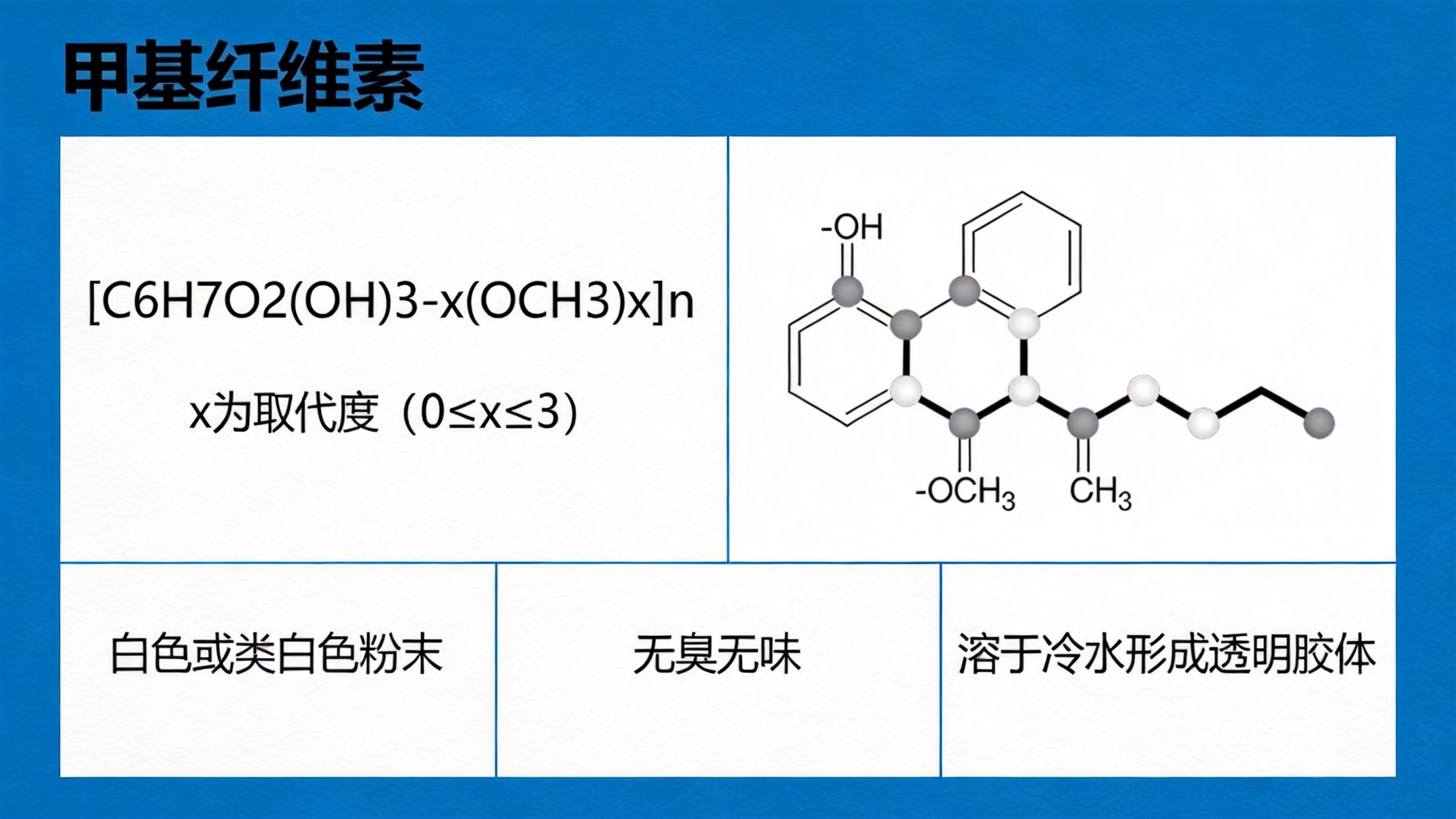


 Copy Link
 Share to WeChat
 Share to Weibo





 Submit Article








 (All Rights Reserved)
 沪公网安备31010402001403号
