Definition
Gelatin (Cassia Gum), China Food Additive Standard No. CNS 20.045, International Food Additive Code INS 427, EU Food Additive No. E427, Feed Additive No. E499. According to the definition of "the People's Republic of China National Standard GB 31619-2014 National Food Safety Standard Food Additive Gelatin", gelatine refers to a food additive made from the seed endosperm of Cassia obtusifolia (Cassia tora) plant and processed by extraction. It mainly contains galactomannan, I .e. a polymer containing mannose linear main chain and galactose side chain.
From the perspective of term disassembly, the word "cassia" comes from the dried and mature seeds of cassia leguminous plants, commonly known as "cassia seed". It has been applied in traditional Chinese medicine for thousands of years, mainly with the effect of clearing liver and improving eyesight, moistening intestines and relieving bowels. The modern food industry uses the polysaccharide gum rich in its seed endosperm to obtain food-grade thickeners through physical grinding, solvent extraction and other processes. The word "glue" indicates its physical form-a water-soluble polysaccharide extracted from the seed endosperm, which can form a high-viscosity colloidal solution when exposed to water.
By chemical nature, the gelatin belongs to the galactomannan (Galactomannan) family. Galactomannan is a kind of natural polysaccharide which widely exists in endosperm of seeds of leguminous plants. It is composed of D-mannose and D-galactose. The molecular structure of gelatin is characterized by: D-mannose linked by β-1,4 glycosidic bonds to form a linear backbone, and D-galactose is linked by α-1,6 glycosidic bonds to form a side chain at the C6 position of some mannose units on the backbone. This "main chain + side chain" structure imparts unique rheological properties to the gelatin. According to JECFA specification standard and many academic literatures, the molar ratio of mannose to galactose (M:G ratio) of dehydrogelatine is about 5:1, the molecular weight distribution range is about 200,000 to 800,000g/mol, and the apparent viscosity of 1% aqueous solution at 25 ℃ can reach 3,500 to 5,200 mPa s.
Compared with guar gum (Guar Gum,INS 412), locust bean gum (Locust Bean Gum / Carob Bean Gum,INS 410), and tara gum (Tara Gum,INS 417), which belong to the same galactomannan family, the M:G ratio of jasqualin (about 5:1) is significantly higher than that of guar gum (about 1.6:1 to 2:1) and locust bean gum (about 3.5:1 to 4:1). The M:G ratio is a key parameter that determines the properties of galactomannan: the fewer galactose side chains (that is, the higher the M:G ratio), the higher the degree of exposure of the main chain, and the more conducive to the formation of hydrogen bonds with other polysaccharides (such as carrageenan) Cross-linking, resulting in a stronger synergistic gel effect. Due to its higher M:G ratio (less galactose side chains), gelatine is superior to carrageenan gel synergistic effect when compounded with carrageenan-the study shows that the gel breaking strength formed by gelatine and carrageenan is about twice that formed by locust bean gum and carrageenan, while the gel performance of carrageenan alone is only 1/3 that of the former.
In terms of essential properties, gelatin has the following core characteristics: first, water-soluble polysaccharides from plant sources belong to natural food colloids rather than chemical synthetic substances; Second, galactomannan thickeners, together with guar gum and locust bean gum, form a complete product series of galactomannan thickeners. Third, it has the characteristics of pseudoplastic fluid, and the solution viscosity decreases with the increase of shear rate, showing shear thinning phenomenon. Fourth, it has a significant synergistic effect with anionic polysaccharides such as carrageenan and xanthan gum, and can form a composite gel network; fifth, as a dietary fiber component, it can maintain stability in the gastrointestinal tract and has a potential prebiotic regulation function.
In terms of synonymous and near-sense expressions, gelatin has many names in different contexts: Cassia Gum (English common name), Cassia Tora Gum (commonly used with cassia as the source), E427 (EU food additive number), INS 427 (international food additive coding system), cassia seed gum (emphasized source is cassia seed), cinnamon gum (one of the early commercial names). It should be noted that although "gelatin" and "gelatin" (Gelatin) are similar in name and are food thickeners, they are completely different in essence: gelatin is derived from animal collagen (mainly from pig, cow, fish skin and bone) and belongs to protein substances; while gelatin is derived from plant seed endosperm and belongs to polysaccharide substances. There are significant differences between the two in terms of source, chemical properties, functional properties, scope of application and regulatory standards, which should not be confused in food labels and formula descriptions.
From the perspective of historical evolution, the application of cassia seed can be traced back to the classics of traditional Chinese medicine thousands of years ago. The "Shen Nong's Materia Medica" records its "main green blindness, eye prostitution, red skin, white film, red eyes and pain, and tears." The effect. The development process of modern gelatin as a food additive is relatively short: it began to attract international attention in the 1980 s and was not widely approved in the early days due to insufficient safety data. In 2006, the European Food Safety Authority (EFSA) issued an evaluation opinion confirming that gelatin that meets the specifications can be used as a food additive. The 71st JECFA Conference in 2009 gave the evaluation conclusion of "ADI not specified" (ADI not specified), it shows that it is safe to use under GMP conditions. In 2010, the European Union formally approved gelatin for human food. China specified its scope of use in GB 2760 standard in 2011 and issued a special GB 31619-2014 product quality standard in 2014. Japan took the lead in approving gelatin as a food additive in 1995, and Canada, Australia, New Zealand and other countries and regions have also approved the use.
Looking at gelatin from different disciplinary perspectives, you can get a more three-dimensional understanding:
Chemical perspective: The molecular structure of the gelatin determines its rheological properties. The hydroxyl group (-OH) on the main chain of galactomannan can form hydrogen bonds with water molecules, giving it excellent water solubility and water retention ability. Thermodynamically, its aqueous solution behaves as a typical polyelectrolyte, and its viscosity is affected by temperature, pH and ionic strength. When compounded with carrageenan, the mannose unit of galactomannan backbone and the galactose unit of carrageenan form a three-dimensional network structure through hydrogen bonds, and the gel synergistic effect is realized.
Food science perspective: gelatin as a thickener, its main functions include improving food consistency, improving texture structure, enhancing emulsion stability, improving water holding capacity, delaying the growth of frozen food ice crystals. Synergy with other colloids is the most important application characteristics-compound with carrageenan can significantly enhance the gel strength and elasticity, compound with xanthan gum can improve the viscosity and suspension stability, and compound with locust bean gum can improve the texture and taste. These synergistic effects make the gelatin an important part of the compound food colloid system.
Botany perspective: Cassia/Senna belongs to the legume family (Leguminosae/Fabaceae), which is widely distributed in tropical and subtropical regions of Asia, Africa and America. Cassia (Cassia obtusifolia) and Cassia tora (Cassia tora) are two main raw materials for gelatin. The seed structure contains three parts: seed coat, germ and endosperm, and the endosperm part stores a large amount of galactomannan. It is worth noting that the seeds of Wangjiangnan (Senna occidentalis, formerly Cassia occidentalis) of the same genus contain toxic ingredients to muscles, which should be strictly avoided when harvesting raw materials. JECFA specification standard requires that the content of S. occidentalis in cassia seed raw materials shall not exceed 0.05.
Traditional Chinese medicine perspective: Cassia as a Chinese herbal medicine has a long history of medicinal, the main effects include clearing the liver and eyesight, moistening the intestines and reducing blood pressure. Modern pharmacological studies have shown that Cassiae Semen contains anthraquinones, flavonoids, naphthopyrones and other active ingredients, among which anthraquinones (such as emodin, chrysophanol, aloe emodin, etc.) are the main active ingredients of Cassiae Semen. However, the anthraquinone residues in food-grade gelatin should be strictly controlled below 0.5 mg/kg, which is much lower than the medicinal dose, so it will not produce pharmacological effects when used as food additives. However, consumers still need to pay attention to the use of gelatin as a food additive and the medicinal use of traditional Chinese medicine Cassia seed are two completely different concepts and should not be confused.
In terms of relevant concept discrimination, the following points are worthy of attention:
Regarding the relationship between the M:G ratio and functional properties: The M:G ratio (mannose: galactose molar ratio) is a key parameter to distinguish different galactomannans. The M:G ratio of gelatin is about 5:1, which is higher than guar gum (about 1.6:1-2:1), locust bean gum (about 3.5:1-4:1), and tar gum (about 3:1). The higher the M:G ratio, the fewer the galactose side chains, the more the mannose units exposed on the main chain, and the easier the formation of hydrogen bond crosslinking with the anionic polysaccharide such as carrageenan. Therefore, the synergistic gelation effect of gelatin and carrageenan is better than that of guar gum.
On the synergy with other colloids: gelatin alone is a non-gel polysaccharide, but it can form a high-strength gel when compounded with carrageenan, and it can also show synergy when compounded with xanthan gum (and guar gum and xanthan gum do not have this synergistic effect). In addition, the gelatin also has the ability to freeze-thaw gel-in the freezing process, water crystallization extrudes polysaccharide molecules to make them close to each other and form a gel network through hydrogen bonding, which has important application value in frozen foods such as ice cream.
Anthraquinones: Anthraquinones are natural secondary metabolites in Semen Cassiae, including emodin, chrysophanol (chrysophanic acid/chrysophanol), aloe-emodin (aloe-emodin), rhein, etc. These substances are present in cassia seeds in both free and glycoside-bound forms (anthraquinone glycosides) with a free anthraquinone content of about 0.01 to 0.04 and a total anthraquinone content of about 1 to 1.3. In the process of refining gelatin, the content of anthraquinone can be effectively reduced by shelling and isopropanol extraction, and the residual content of anthraquinone in the final product should be controlled below 0.5 mg/kg (detection limit). This limit requirement is based on a safety assessment, and gelatin that meets this specification is considered a safe and reliable food additive.
Industry Overview
From the macro perspective of the global food colloid market, gelatin, as an important member of galacto-mannose polysaccharide thickener, is in a period of rapid development. According to the survey data of Bezes Consulting, the global cassia gum market capacity in 2024 is about 0.085 billion yuan, which is expected to reach 0.119 billion yuan by 2030, with an average annual compound growth rate of about 5.77 percent during the forecast period. During the same period, China's cassia gum market capacity is about 0.023 billion yuan, and the average annual compound growth rate of the Chinese market from 2020 to 2025 is as high as 12.6, far exceeding the global average growth rate. This growth reflects the rapid growth in demand for natural plant colloids in the Chinese food industry and the increased market recognition of gelatin as an alternative or complementary product to traditional colloids such as guar gum and locust bean gum.
From the analysis of the industrial chain structure, the gelatin industry presents a typical "upstream planting, midstream processing, downstream application" three-stage pattern:
Upstream raw material end: Cassia raw materials are mainly produced in India, China and Pakistan. According to the (FAO)2024 crop statistics of the United Nations Food and Agriculture Organization, the annual output of cassia seed in India is about 186000 tons, accounting for 52% of the world's total output. Arid and semi-arid areas such as Rajasthan and Gujarat in India are particularly suitable for large-scale cultivation of cassia seed due to dry climate and sufficient light. The annual output of cassia seed in China is about 12 to 150000 tons, and the main producing areas include Gansu, Shaanxi, Yunnan, Inner Mongolia and other places. However, it is worth noting that although China has a certain amount of cassia seed production, a considerable proportion of the high-quality raw materials required for food-grade gelatin processing still rely on imports, and the overall import dependence of raw materials is as high as 85%. The quality of raw materials is affected by soil, climate, planting technology and other factors, and the quality stability control between batches is a common challenge facing the industry.
Midstream processing end: The production process of gelatin mainly includes the key steps of raw material pretreatment, shelling and separation, endosperm grinding, solvent extraction, drying and crushing. The traditional process is mainly heat treatment combined with alkali boiling extraction, while the modern advanced process adopts the integrated technology of low-temperature enzymatic hydrolysis and membrane separation, which can effectively improve the efficiency of polysaccharide dissolution and reduce energy consumption. According to the statistics of China Food and Packaging Machinery Industry Association, the proportion of new or technological transformation projects in the industry using low-temperature enzymatic hydrolysis-membrane separation process has reached 63% in 2024. This process reduces the comprehensive energy consumption per ton of colloid from about 1.85 tons of standard coal in the traditional process to about 0.92 tons of standard coal, and the carbon emission intensity decreases by 47% simultaneously. As a major producer, India's local colloid processing industry is dominated by small and medium-sized enterprises, concentrated in Ahmedabad, Jaipur and other places. China's leading enterprises, including a company A, a company B, etc., have established GAP-certified planting bases and introduced ICP-MS technology for heavy metal screening, and the export clearance rate remains above 98.6 percent.
Downstream application end: The main application areas of gelatin include food industry, pet food, health care products, cosmetics and some industrial applications. The food industry is the largest consumption area. In 2023, China's food-grade cassia gum consumption was about 1,850 tons, up 19.6 percent year-on-year, and is expected to exceed 3,200 tons by 2026, with an average annual compound growth rate of more than 20 percent. Pet food is another important application direction. According to EFSA's pet food evaluation report, gelatin is used as gel and thickener in pet food such as canned cats and dogs and wet food, with a maximum content of 13,200 mg/kg.
Judging from the market structure, the market size of China's plant colloid in 2023 is about 12.76 billion yuan, of which guar gum accounts for 41.3 percent, locust bean gum for 18.7 percent, xanthan gum for 22.5 percent, and gelatin for less than 3.2 percent, but the annual compound growth rate is as high as 28.4 percent, far exceeding the industry average growth rate of 12.1 percent. This shows that gelatin, as an emerging category, is still in the early stage of high-speed growth in market penetration and has great potential for future growth.
From the analysis of regional pattern, the global gelatin industry shows obvious characteristics of regional separation of production and consumption: India is the origin and main producer of core raw materials, China is the emerging production and consumption market, and developed countries in Europe and the United States are the main consumer markets and demand for high-end products. Germany, the Netherlands, France and Italy are the main consumer markets in Europe, with Germany heavily using gelatin in food processing and personal care products, the Netherlands focusing on pet food and sustainable industrial applications, and France and Italy more in innovative food and cosmetics.
Looking at the development history, the key milestones of the gelatin industry include: in the 1980 s, the international market began to pay attention to gelatin but its application was limited due to insufficient safety data; In 1995, Japan took the lead in approving gelatin as a food additive. EFSA issued a safety assessment opinion in 2006. In 2009, the 71st JECFA gave the "ADI Not Specified" assessment conclusion. In 2010, the EU officially approved the use of human food, and in China in GB 2760-2011; in 2014, China issued GB 31619-2014 product quality standards. In 2021, China officially incorporated gelatin into the appendix of GB 2760 to further clarify the use specifications.
The current stage of industry development can be defined as the "growth period", which is manifested as: rapid growth of market demand but the overall scale is still small; industry concentration is low, CR5 is less than 30%; technology and technology continue to be optimized but the degree of standardization needs to be improved; policy and regulatory framework is becoming more and more perfect but some details still need to be clarified. Compared with mature categories such as guar gum and locust bean gum, there is still a gap in market awareness, product standardization and technical maturity, but the development momentum is strong driven by the trend of plant-based food, functional food and clean label.
In terms of industry development pain points, the supply of raw materials is greatly affected by agricultural harvest and climatic conditions, the control of anthraquinone residues requires higher production processes, market awareness and brand influence are weaker than traditional colloids, the implementation of product quality standards is uneven, and the limited production capacity of high-purity pharmaceutical-grade products is the main constraint.
In terms of driving factors, the trend of plant-based food and clean labels has promoted the growth of demand for natural plant colloids. The synergistic properties of gelatin, carrageenan and xanthan gum create differentiated application value. Compared with imported colloids (carrageenan and locust bean gum), domestic gelatin has supply chain security advantages and cost competitiveness (the average market price in 2024 is about 48 to 55 yuan/kg, which is about 40% lower than carrageenan); the "double carbon" policy promotes the upgrading of green manufacturing process, expands the application of energy-saving technologies such as low-temperature enzymatic hydrolysis and membrane separation, and the national policy supports the high-quality development of the natural plant extract industry. These factors together constitute the core driving force for the continued growth of the gelatin industry.
Technical Standards
The technical standard system of gelatin as a food additive covers three levels: international standards, national standards and industry standards. Each standard has coordination and consistency in technical indicators, scope of application and regulatory requirements, as well as differences in local conditions.
At the international standard level, the joint FAO/WHO Expert Committee on Food Additives (JECFA) has developed detailed specifications for gelatin. JECFA has evaluated gelatin several times since 2009, most recently at the 87th JECFA Conference in 2019. The main technical indicators of the JECFA specification include:
Appearance is light yellow to off-white tasteless free flowing powder. Galactomannan content is not less than 75%; Drying reduction is not more than 12%(105 ℃,5 hours); Ash content is not more than 1.2; Acid insoluble matter is not more than 2.0; Protein is not more than 7% (measured by Kjeldahl method, nitrogen conversion protein coefficient is 6.25); Crude fat is not more than 1%; Starch test negative; the maximum content of anthraquinones was 0.5 mg/kg (detection limit); the residue of isopropanol was not more than 1.0%; the maximum content of lead was 1 mg/kg. Microbial index requirements: the total number of colonies shall not exceed 5,000 cfu/g; Yeast and mold shall not exceed 100 cfu/g; Escherichia coli 1g negative; Salmonella 25g negative. The viscosity index is required to be less than 500 mPa · s after 2 hours at 25 ℃ for 1% solution. JECFA gave "ADI not specified" (ADI not specified) in the evaluation conclusion, which means that gelatin is recognized as a safe and reliable food additive when used under the conditions of good manufacturing practice (GMP) and the above specifications.
FAO JECFA specification standard also specifically stipulates the identification requirements for raw material source plants: the raw materials must come from Cassia obtusifolia (Cassia) or Cassia tora (Cassia tora) seeds of Cassia genus. At the same time, it is stipulated that the content of Senna occidentalis (formerly Cassia occidentalis) mixed in the raw materials shall not exceed 0.05, because the latter seeds contain components toxic to muscles. This regulation reflects the dual concern for botanical identification and safety of raw materials.
At the EU standard level, the EU has officially approved the use of gelatin as a food additive since 2010, with the number E427. The applicable regulations are (EC) No 1333/2008 Food Additive Regulation and (EU) No 231/2012 Food Additive Specification Standard. EU specifications are consistent with JECFA in terms of main technical indicators, with particular emphasis on the requirement that the anthraquinone content should not exceed 0.5 mg/kg. EU regulations also specify the types of food products that can be used and the maximum amount of gelatin, including dairy analogs, meat products, baked goods and other categories. It is worth noting that the EU has designated the number of gelatin in feed/pet food as E499, which is distinguished from the food use number E427.
At the FDA level, the regulatory status of gelatin in the U.S. market is more complex. FDA received several GRAS(Generally Recognized As Safe, Public Safety Certification) notification letters, including GRN 51 submitted in 2000 and GRN 139 submitted in 2003, but the review was not completed due to the applicant's request to terminate the evaluation. In 2008, a company (in this case, the former U.S. filing company) filed a petition with the FDA proposing to amend the food regulations to allow the use of gelatin as a stabilizer in frozen dairy desserts. Up to now, FDA has not officially approved the use of gelatin as a food additive in the US market, which means that the use of gelatin in US food is still pending approval.
At the Japanese standard level, Japan is one of the countries that approved gelatin as a food additive earlier. In 1995, Japan's Ministry of Health and Welfare included gelatin in the list of food additives approved for use.
At the level of China's national standards, China has established a relatively complete system of standards and standards for the use of gelatin products:
GB 31619-2014 "National Food Safety Standard for Food Additives" is the product quality standard for gelatin. It was issued on December 24, 2014 and implemented on May 24, 2015. The issuing unit was the former National Health and Family Planning Commission. The standard specifies the technical requirements, inspection methods, inspection rules, signs, packaging, transportation, storage and shelf life of gelatin. Sensory requirements: light yellow to white color, state is powder. Physical and chemical indexes: galactomannan ≥ 75%, drying loss ≤ 12%, ash ≤ 1.2, acid insoluble ≤ 2.0, protein ≤ 7%, fat ≤ 1%, anthraquinone ≤ 0.5 mg/kg, isopropanol ≤ 1.0, lead ≤ 1 mg/kg. Microbiological indicators: total number of colonies ≤ 5,000 cfu/g, Escherichia coli <3.0 MPN/g, Salmonella not detected/25g, yeast and mold ≤ 100 cfu/g.
GB 2760-2024 "National Food Safety Standards for the Use of Food Additives" (updated in 2024) stipulates the allowable use range and maximum use amount of gelatin as a food additive. According to GB 2760-2024, the functional category of gelatin is thickener, CNS number 20.045,INS number 427. Allowed food categories and maximum usage (g/kg) include: flavor fermented milk 2.5, cream 2.5, ready-to-eat desserts with milk as the main ingredient or their pre-prepared products 2.5, ice cream 2.5, wheat flour products 3.0 (except raw and wet flour products and raw and dry flour products), instant rice noodle products 2.5, baked goods 2.5, meat enema 1.5, semi-solid compound seasoning 2.5, liquid compound seasoning 2.5, lactic acid bacteria beverage 2.5 (in the ready-to-drink state, solid beverages are increased by dilution).
In addition, GB 1886.301-2018 "National Food Safety Standard Food Additive Galactomannan" is a universal galactomannan product standard. Although the scope of application covers galactomannan produced from guar bean, sesbania bean, coumarin bean, cassia seed, locust bean and other raw materials, gelatin as a single source galactomannan product is still mainly applicable to GB 31619-2014 special standard.
In terms of certification system, gelatin production enterprises need to obtain food additive production license. The main certifications include ISO 22000 food safety management system certification, FSSC 22000 certification, KOSHER certification (kosher food certification), HALAL certification (halal certification), organic product certification, etc. For products exported to the EU, it is necessary to meet the requirements of EU regulations; for products exported to the United States, although FDA has not yet approved the use, some companies have established preparations for a quality management system that meets FDA requirements.
From the perspective of standard evolution, the international standard of gelatin has experienced the development process from "tentative" to "formal. In 2009, the 71st JECFA meeting set the gelatin specification as "tentative" and required to provide verification data of anthraquinone detection method. After receiving the HPLC anthraquinone detection method, the 73rd JECFA meeting in 2010 lifted the tentative state. Since then, JECFA specifications and standards have been revised and improved many times, and the current version is confirmed by the 87th JECFA meeting in 2019. The limit of anthraquinone content of 0.5 mg/kg is a key technical node in the process of standard evolution. The determination of this limit not only ensures the safety, but also reflects the technological progress of the refining process.
In terms of standard comparison, the three-party standards of China, the United States and Europe are highly consistent in core safety indicators, but there are differences in supervision mode and implementation details: China implements dual management of food additive use licensing system and product quality standards; The US FDA is mainly based on GRAS self-identification and supplemented by government approval. The EU adopts a positive list system to clearly list the allowed food additives and conditions of use. All three parties agree on the key technical requirement of anthraquinone content not exceeding 0.5 mg/kg. In the detection method of anthraquinone, JECFA recommends HPLC method (detection limit 0.5 mg/kg), which is also the method adopted by the main standard system.
In terms of standard implementation, China's market regulatory authorities regularly carry out special supervision and sampling of food additives. According to the report of sampling inspection results issued by the State Administration of Market Supervision and Administration, in 2024, the national market supervision department will carry out special sampling inspection of 1,842 batches of cassia seed glue-related food, with a qualified rate of 98.7. The unqualified items are mainly concentrated in the non-standard labeling and other aspects, rather than cassia seed glue itself exceeding the standard. This shows that the quality and compliance of the gelatin products are at a good level overall.
The future development direction of standards may include: further refining the dosage regulations for different application scenarios; Improve the specification standard of gelatin for pet food (EU has distinguished E499 for feed from E427 for food); Establish a unified international standard for anthraquinone detection method; Strengthen the research on the functional and nutritional characteristics of gelatin to provide scientific basis for the improvement of the standard.
Application Areas




 Buyer
Buyer Supplier


 Copy Link
 X
X Facebook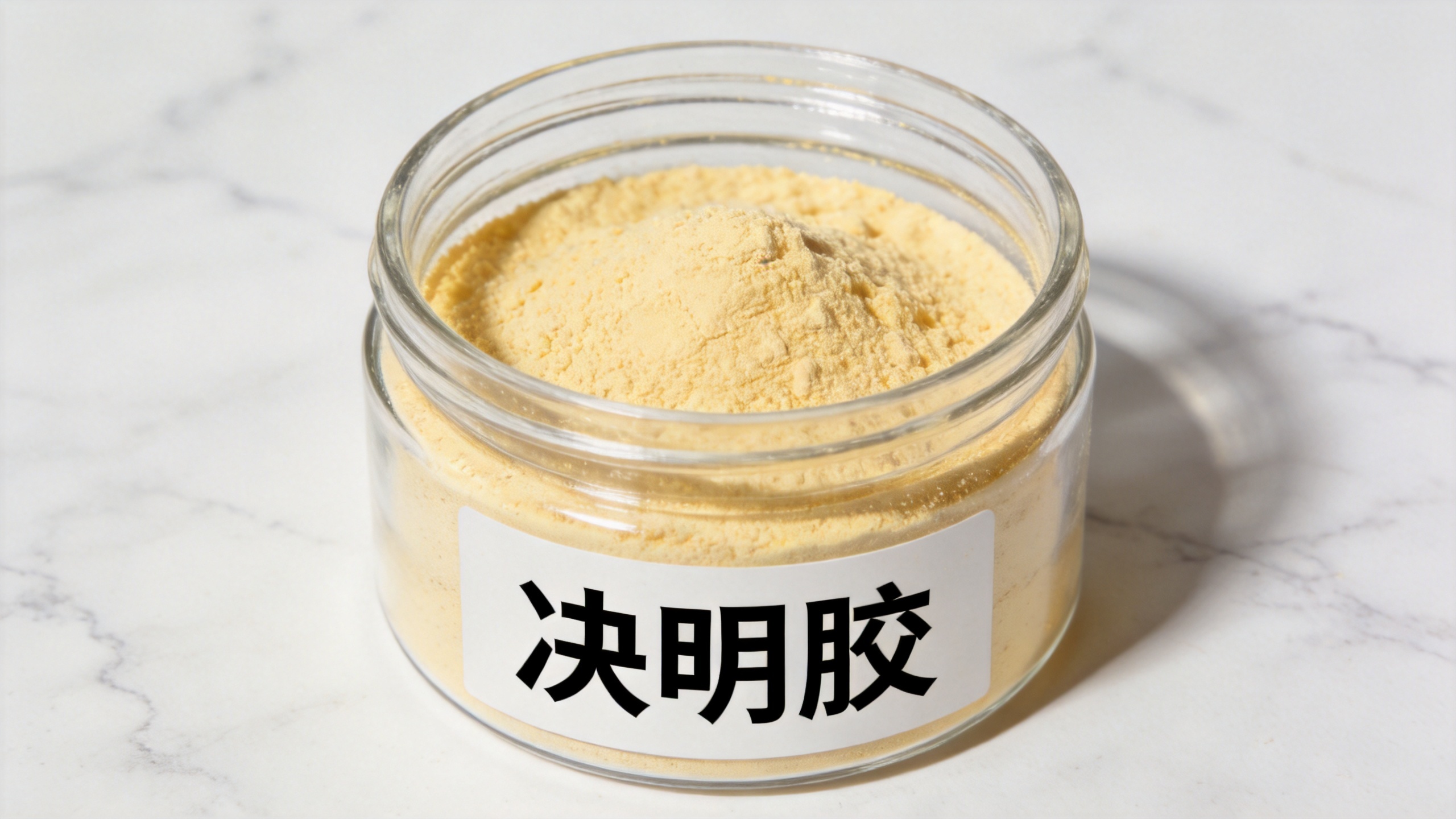


 Copy Link
 Share to WeChat
 Share to Weibo
 Submit Article







 (All Rights Reserved)
 沪公网安备31010402001403号
