


All Categories
Purchase
Mobile
Contact Us
Top
Chinese
All Categories
Products
Suppliers
Purchase Request
Exhibitions/Events
News
Videos
Buyer
Supplier
Home News & Wiki Wiki List
Wiki Details
Share to

Polyglycerol Esters of Fatty Acids

聚甘油脂肪酸酯

English Alias:

Chinese Alias:

Category:

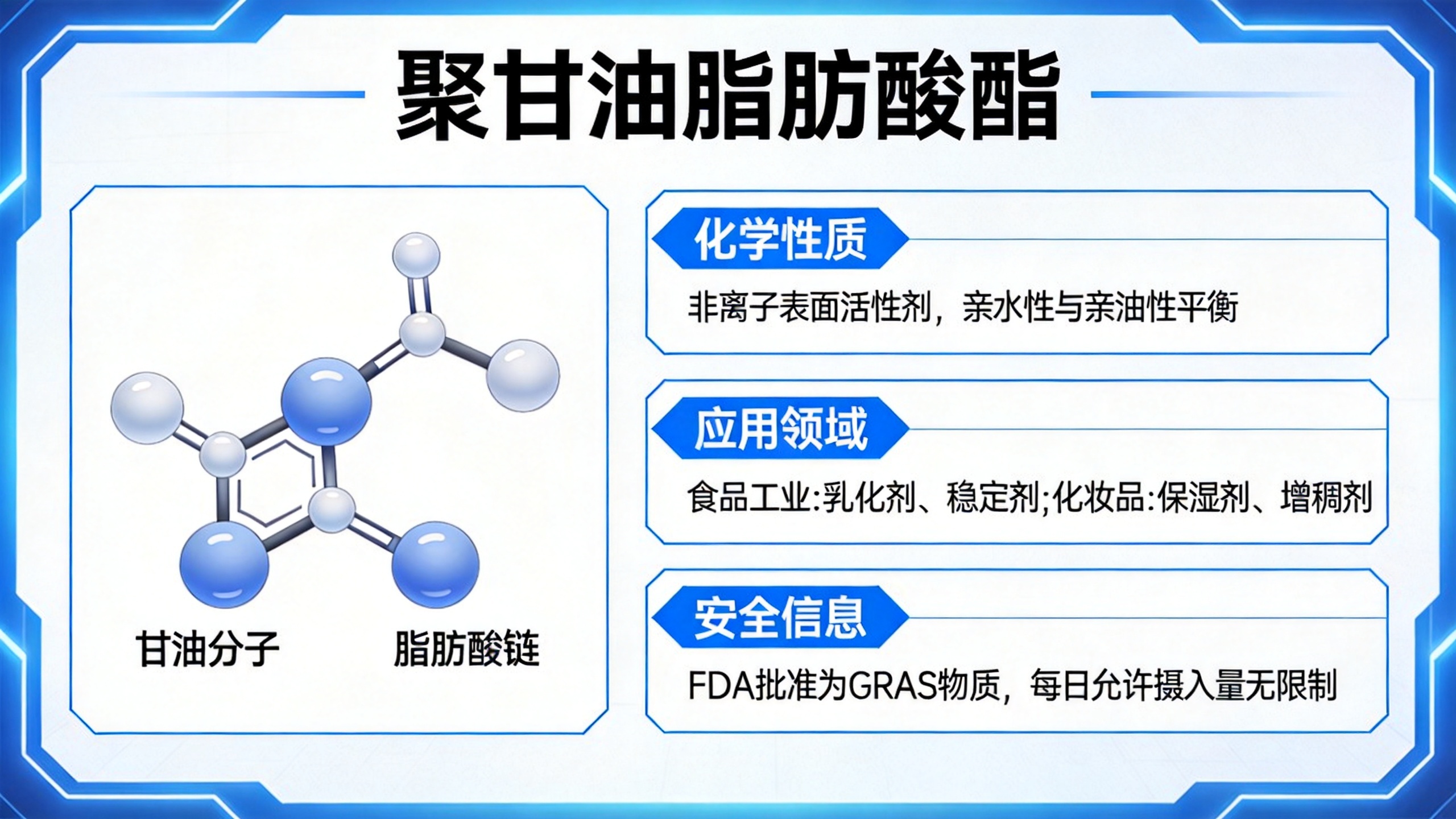
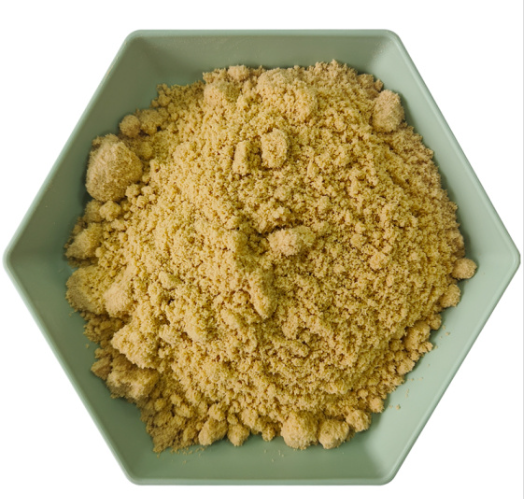
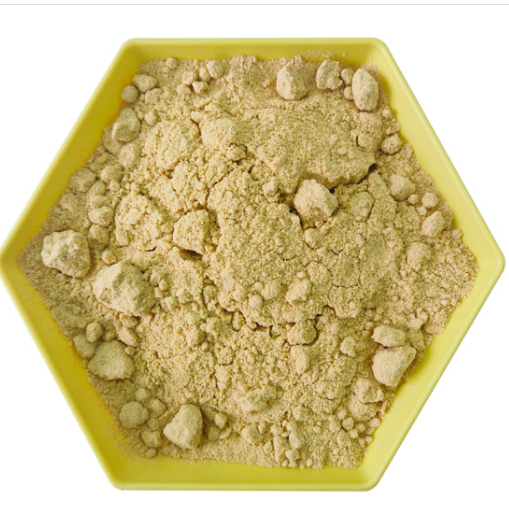
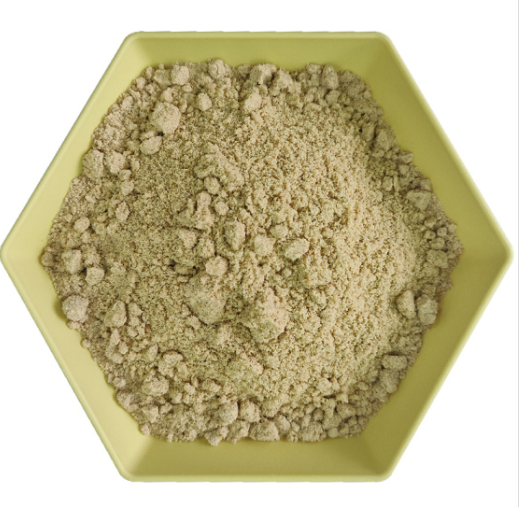
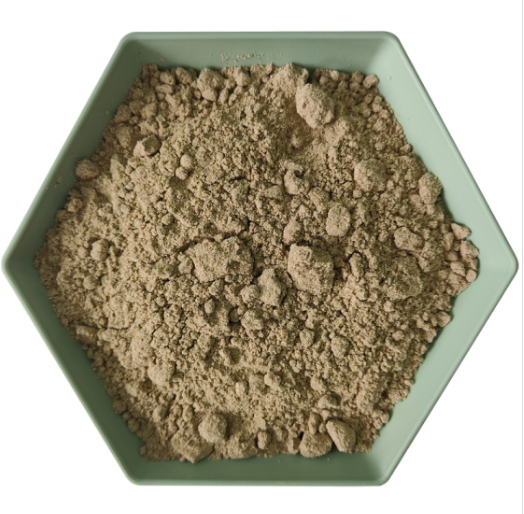
Polyglycerol fatty acid ester (Polyglycerol Esters of Fatty Acids,INS 475,CNS 10.022) is a kind of polyhydroxy nonionic surfactant prepared by partial esterification of polymeric glycerol with edible oils and fats or fatty acids, which belongs to emulsifiers, stabilizers, thickeners and anti-caking agents in food additives. Its molecular structure is both hydrophilic and lipophilic. By adjusting the degree of polymerization of polyglycerol, the type of fatty acid and the degree of esterification
聚甘油脂肪酸酯
聚甘油脂肪酸酯
Definition
Industry Overview
Technical Standards
Application Areas
Security Control
Development Trends
Policies & Regulations
References
Definition
Core Concepts
Polyglycerol fatty acid ester refers to a kind of mixed ester compound generated by partial esterification reaction with edible oil or fatty acid after the formation of polyglycerol by glycidyl polymerization, and is an important non-ionic surfactant variety in the food additive industry. According to the definition of JECFA (revised at the 99th meeting in 2024), polyglycerol fatty acid ester is a mixed ester formed by esterification of polymeric glycerol with edible fats, oils or fatty acids. The polyglycerol part is mainly composed of diglycerol, triglycerol and tetrameric glycerol, and contains no more than 10% of heptameric glycerol and above polymers. The definition also requires raw materials to meet food-grade standards and follow the Codex Alimentarius Code of Practice for the reduction of 3-chloropropanediol esters (3-MCPDEs) and glycidyl esters (GEs) (CXC 79-2019).

Terminology Teardown
"Polyglycerol"(Polyglycerol) refers to an oligomer formed by connecting two or more glycerol molecules through ether bonds, and its degree of polymerization is usually 2 to 10, corresponding to diglycerol, triglycerol, up to decaglyglycerol, etc. Polyglycerol is a complex mixed system containing linear, branched and cyclic isomers. "Fatty acid ester"(Fatty Acid Ester) refers to the ester bond compound formed by dehydration condensation reaction between the carboxyl group of fatty acid and the hydroxyl group of alcohol. The polyglycerol fatty acid ester is the product of esterification reaction between the free hydroxyl group in the polyglycerol molecule and the carboxyl group of the fatty acid.

essential attribute
Polyglycerol fatty acid esters are essentially polyhydroxy nonionic surfactants. Its molecular structure contains both a hydrophilic polyglycerol backbone (containing multiple free hydroxyl groups) and a hydrophobic fatty acid carbon chain, and this amphiphilic structure enables it to be aligned on the oil-water interface to form a stable interface film, thereby achieving emulsification and stabilization functions. Unlike ionic surfactants, polyglycerol fatty acid esters do not dissociate into ions in water, and thus maintain stable emulsifying properties in high salt, high acid and high alkali environments.

synonymous/near-synonymous expressions
Polyglycerol fatty acid esters have a variety of synonymous names and aliases: polyglycerol esters (PGFE), polyglycerol monopolyfatty acid esters, polyglycerol fatty acid esters, glycerol fatty acid esters (Glycerin Fatty Acid Esters), PGE(Polyglycerol Esters), Polyglyceryl Esters. Its International Numbering System (INS) number is 475, China Food Additive Classification Number (CNS) is 10.022, and its CAS number is 67784-82-1. In the EU Food Additives Regulation, it is identified as E475.

Applicable boundary
The scope of application of polyglycerol fatty acid esters is clearly defined by national food safety regulations. In China, GB 2760-2024 "National Food Safety Standards for the Use of Food Additives" stipulates that polyglycerol fatty acid esters can be used to prepare 18 types of foods such as milk, cream and similar products, fat and emulsified fat products, frozen drinks, cocoa products, chocolate, candy, baked goods, condiments, beverages, etc., with a maximum usage of 10.0 g/kg to 20.0 g/kg. In the European Union, E475 is authorized for use in 16 food categories under Regulation (EC) No 1333/2008 Annex II. In the United States, polyglycerol fatty acid esters have been recognized by the FDA as GRAS(Generally Recognized As Safe). It should be noted that there are essential differences between industrial-grade polyglycerol fatty acid esters and food-grade products in terms of purity, heavy metal limits and impurity control, and industrial-grade products are strictly prohibited for food processing.

historical evolution
The development and application history of polyglycerol fatty acid esters can be traced back to the middle of the 20th century. In the 1960 s, with the breakthrough of glycerol polymerization technology, polyglycerol fatty acid esters began to receive attention as a new type of emulsifier. In 1966, JECFA conducted the first safety assessment of polyglycerol palmitate, setting a conditional ADI value of 0-12.5 mg/kg body weight. In 1974, the 17th meeting of JECFA revised the ADI value to 0-25 mg/kg body weight based on the result that no adverse effects were observed in the long-term feeding test in rats (the highest dose was 2500 mg/kg body weight). In 1989, the 35th meeting of JECFA confirmed that the ADI value is applicable to polyglycerol fatty acid esters with an average degree of polymerization of no more than three glycerol units, and established a complete specification standard. From the 1980 s to the 1990 s, the application of polyglycerol fatty acid esters in the food industry such as ice cream, margarine, and vegetable protein beverages expanded rapidly. In 2017, EFSA conducted a re-evaluation of E475 and concluded that there was no need to set a numerical ADI and that there were no safety concerns at the reported use and level of use. In 2024, the 99th meeting of JECFA revised the specification standard of polyglycerol fatty acid ester again and published it in FAO JECFA Monographs 34(2025), maintaining ADI value of 0-25 mg/kg body weight. In China, GB 1886.178-2016 "National Food Safety Standard Food Additive Polyglycerol Fatty Acid Ester" was released in 2016 and officially implemented on January 1, 2017. The update of GB 2760 standard in 2024 further expanded its scope of use.

different perspectives
From a chemical point of view, polyglycerol fatty acid esters are a class of functional molecules with programmable structure. By changing the parameters of the three dimensions of polymerization degree, fatty acid chain length and esterification degree, their HLB value and interfacial activity can be precisely controlled, covering a complete spectrum from strong lipophilic (HLB≈ 1) to strong hydrophilic (HLB≈ 16). From the perspective of food engineering, it is the core technical tool to realize oil-water emulsification, which has multiple functions such as emulsification, dispersion, wetting, foaming, defoaming, crystallization adjustment and quality improvement, and is far superior to traditional emulsifiers such as sucrose ester in acidic, alkaline and high-salt environments. From the nutritional point of view, polyglycerol fatty acid esters can be almost completely hydrolyzed into polyglycerol and fatty acids in the human gastrointestinal tract, participate in normal metabolic processes, and have no cumulative toxicity. From the perspective of safety supervision, the world's major food safety agencies (JECFA, EFSA, FDA, Japan's Ministry of Health and Labor, etc.) have approved its use in food, safety evaluation system is perfect.

Related Concepts
Polyglycerol fatty acid ester and monoglyceride (Monoglycerides,INS 471) are both glyceride emulsifiers, but the former is significantly better than the latter because the polyglycerol backbone contains more hydrophilic hydroxyl groups. Polyglycerol fatty acid ester and polyglycerol polyricinoleate (PGPR,INS 476) are similar in name, but there are differences in chemical structure and function between them-the fatty acid part of PGPR is ricinoleic acid, which is mainly used to reduce yield stress in chocolate, while polyglycerol fatty acid ester has a wider range of fatty acid sources and more diverse functions. Compared with sucrose fatty acid ester (INS 473), polyglycerol fatty acid ester has better stability under acidic conditions and has unique antibacterial properties, but the detergency is slightly inferior to sucrose ester. In addition, the polyglycerol fatty acid ester does not contain a polyoxyethylene chain, has better biodegradability and higher safety than the Tween series polyoxyethylene sorbitan fatty acid ester.
Industry Overview
industrial chain structure
The industrial chain of the polyglycerol fatty acid ester industry consists of three core links: upstream raw materials, midstream manufacturing and downstream applications. Upstream raw materials mainly include glycerol (industrial and food grade) and fatty acids (from palm oil, soybean oil, coconut oil and other vegetable oils and animal fats), of which the supply of glycerol is significantly affected by the biodiesel industry by-product glycerol production, fatty acid prices are closely related to the global vegetable oil market. According to industry data, the cost of glycerol and fatty acid raw materials accounts for about 55%-65% of the total cost of polyglycerol fatty acid ester production. The midstream manufacturing process covers two core processes of polyglycerol synthesis (glycerol glycidyl polymerization) and esterification, and the main production processes include chemical catalysis (alkali-catalyzed esterification/ester exchange) and bioenzyme catalysis (lipase catalysis). The refining process includes decolorization, deodorization and molecular distillation, which directly determines the purity and grade of the product. Downstream applications cover the food industry (dairy products, ice cream, margarine, baked goods, chocolate candy, beverages, etc.), daily chemical industry (detergents, cosmetics emulsifiers), pharmaceutical industry (pharmaceutical excipients, drug carriers), plastics and rubber processing (lubricants, mold release agents), textile industry and petroleum industry and other fields.

Market size
According to the relevant industry data released by the China Food Additives and Ingredients Association (CFAA), the market size of China's polyglycerol ester emulsifier will be about 1.85 billion yuan in 2023 and will grow to about 1.86 billion yuan in 2024. From a global perspective, the Asia-Pacific region has become the fastest growing market for polyglyceride emulsifiers. With a complete chemical industry chain and continuously optimized production processes, the Chinese market is gradually narrowing the gap with Japan, Europe and the United States and other technologically leading regions. According to data from international market research institutions such as MarketsandMarkets, the global polyglycerol fatty acid ester market has maintained steady growth in recent years. It is estimated that the global polyglycerol ester market for personal care and cosmetics will reach US $0.53 billion in 2030, with a compound annual growth rate of about 6.6.%. In the Chinese market, food-grade polyglycerol fatty acid esters occupy a dominant position, accounting for about 60%-65% of total consumption, daily chemical grade accounting for about 25%-29%, and pharmaceutical grade accounting for a relatively small but rapid growth.

Key Participants
The players in the global polyglycerol fatty acid ester market are mainly distributed in Japan, Europe and China. Japanese companies have long been a leader in technology accumulation and product quality, including a Japanese oleochemical company (leading global market share in the polyglyceride segment), a Japanese vitamin company and a Japanese emulsifier professional company. Major European players include a British specialty chemicals group, a Swiss fine chemicals company, a Danish emulsifier specialist and a Belgian oil chemicals company. Chinese production enterprises have developed rapidly in recent years. East China (Jiangsu, Zhejiang, Shandong) has gathered a number of domestic leading enterprises, and some enterprises have made breakthroughs in the mass production of high-purity models. The domestic industry as a whole presents a "small and scattered" competitive pattern, but the concentration continues to improve, high-end products are still partially dependent on imports, especially in the pharmaceutical grade and high-purity cosmetics grade field of import substitution space is larger.

development stage
China's polyglycerol fatty acid ester industry is currently in the stage of transition from growth to maturity. From a technical point of view, traditional chemical catalysis is still the mainstream production process, but the market share of biological enzyme catalysis is gradually increasing from about 22% in 2024, and is expected to reach about 35% in 2030. From the product structure, ten polyglycerol monostearate, six polyglycerol monooleate and other high degree of polymerization products due to excellent emulsifying performance to dominate the market, but high-end customized products and the international leading level is still a gap. In terms of market penetration, the addition rate of polyglycerol fatty acid esters in plant-based milk drinks increased from about 9% in 2023 to about 18% in 2025, and the proportion of replacing traditional monoglycerides in low-fat bakery products continues to increase.

regional pattern
The production capacity distribution of polyglycerol fatty acid esters in China presents a pattern of strong east and west. East China (Jiangsu, Zhejiang, Shanghai) production capacity accounted for about 48% of the country's total production capacity, South China accounted for about 18%, North China accounted for about 15%, Southwest and Northwest China combined about 19% but the fastest growth rate, becoming an important undertaking area for industrial transfer. Globally, Japan and Europe have an advantage in terms of technology and high-end products, Asian countries such as China and India continue to improve in terms of capacity scale and cost competitiveness, and the North American market is dominated by multinational chemical groups.

development process
The development of polyglycerol fatty acid ester industry has gone through the following key stages: in the 1960 s, JECFA first evaluated the safety of polyglycerol palmitate and laid the legal foundation; In the 1970 s and 1980 s, industrial production technology gradually matured, and its application in the food field expanded from margarine to ice cream and vegetable protein beverages. In the 1990 s, Japanese enterprises made major breakthroughs in the development of highly polymerized polyglycerol esters (such as decanoglycerol esters), expanding the application space of hydrophilic emulsifier, china began to produce polyglycerol fatty acid esters on a large scale, but the products were mainly at the middle and low end. In the 2010 s, EFSA reassessed and confirmed safety, the EU updated specifications and standards, and the global market entered a standardized development stage. In the 1920 s, green processes such as biological enzyme catalysis and continuous flow micro-reaction accelerated their promotion, plant-based food and clean labeling trends promoted demand upgrading, and the industry entered a stage of high-quality development.

Industry pain points
At present, the main problems and challenges facing the industry include: first, high-end products rely on imports, and the localization rate of pharmaceutical grade and high-purity cosmetic grade polyglycerol esters is still low; second, the industry concentration is insufficient, the technical level and product quality of small and medium-sized enterprises are uneven, and some enterprises have the problems of substandard environmental protection and unstable product quality; third, the prices of raw materials fluctuate greatly, and the prices of glycerin and fatty acids are significantly affected by the international market, it increases the difficulty of enterprise cost control; fourth, the standard system needs to be improved, the standards of some subdivided products are not perfect, and the level of industry self-discipline and standardization needs to be improved; fifth, the investment in research and development is insufficient, and there is a gap between domestic enterprises and the international leading level in basic research such as directional synthesis, structural characterization and application development.

Driving Factors
The main factors that promote the development of the polyglycerol fatty acid ester industry include: first, consumption upgrades and the popularization of healthy diet concepts, and consumers' demand for natural, safe, and biodegradable food additives continues to grow; second, the rapid expansion of the plant-based food market, The demand for high-performance plant-based emulsifiers has increased significantly; the third is the clean label (Clean Label) trend to promote the replacement of traditional synthetic emulsifiers, polyglycerol fatty acid esters are favored by the market by virtue of natural sources and mild processing technology; fourth, the food industry technology is upgraded, and the processing industries such as ice cream, margarine, and baked goods have continuously improved the performance requirements of emulsifiers; fifth, policies and regulations are becoming more and more perfect, and food safety standards Update and green manufacturing policies to guide the industry to develop in the direction of high quality; sixth, the expansion of emerging application fields, cross-border applications such as microcapsules, nano-carriers and new energy materials have opened up new growth space for the industry.
Technical Standards
International Standards
The international standard system of polyglycerol fatty acid ester is centered on the JECFA specification standard. JECFA first established a complete specification standard for polyglycerol fatty acid esters at its 35th meeting in 1989 (published in FNP 49, 1990). The specification was completely revised at its 99th meeting in 2024 and published in FAO JECFA Monographs 34(2025). JECFA specification clearly stipulates the definition, identification and purity of polyglycerol fatty acid ester: the polyglycerol part consists of not less than 70% diglycerol, triglycerol and tetrameric glycerol, and contains not more than 10% heptameric glycerol and above polymers; The content of free fatty acid shall not exceed 6% (calculated as oleic acid); Arsenic shall not exceed 0.2 mg/kg and cadmium shall not exceed 0.2 mg/kg, lead does not exceed 0.5 mg/kg and mercury does not exceed 0.5 mg/kg. Codex Alimentarius adopted the evaluation results of JECFA and listed polyglycerol fatty acid esters in the International General Standard for Food Additives (GSFA),INS No. 475, and functionally classified as emulsifiers. In addition, ISO 21400:2020 provides a method standard for the composition analysis of polyglycerol fatty acid esters, covering the statistics of the distribution of the degree of polymerization of glycerol and the determination of fatty acid composition.

National Standards
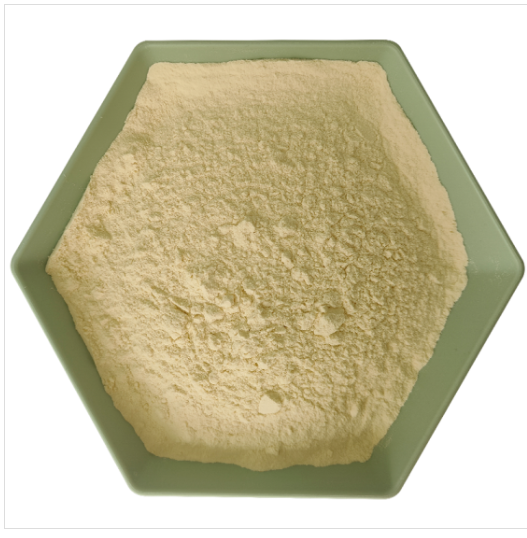
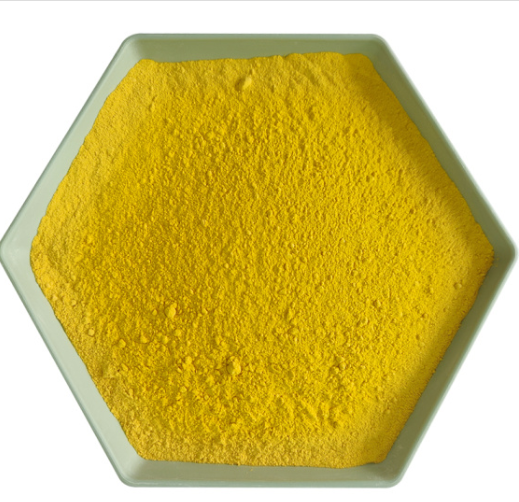
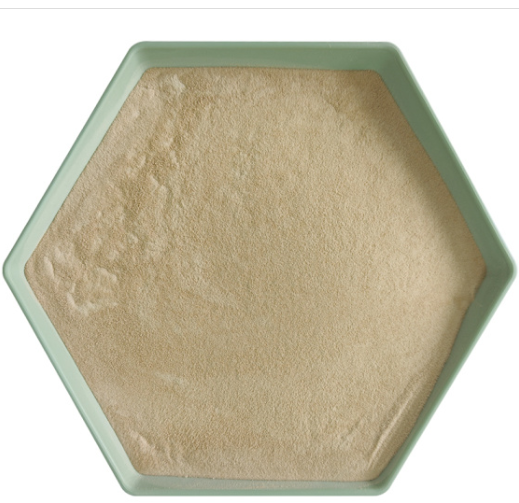
China's national standards for polyglycerol fatty acid esters mainly include the following two items: First, GB 1886.178-2016 "National Food Safety Standard Food Additive Polyglycerol Fatty Acid Ester", which was released on August 31, 2016 and implemented on January 1, 2017, stipulating the sensory requirements and physical and chemical indicators of polyglycerol fatty acid esters. Sensory, the color is light yellow to brown, the state is oily to very viscous liquid, plastic soft or hard waxy or powdery solid. In terms of physical and chemical indexes, acid value (calculated by KOH) shall not exceed 12 mg/g, iodine value and saponification value shall conform to the claim, ignition residue shall not exceed 1.5, and lead content shall not exceed 2.0 mg/kg. The second is GB 2760-2024 "National Food Safety Standard Food Additive Use Standard", which stipulates the maximum use amount of polyglycerol fatty acid ester in various food categories, including 10.0 g/kg for prepared milk and prepared milk powder, 20.0 g/kg for fat and emulsified fat products, 10.0 g/kg for frozen drinks, 10.0 g/kg for cocoa products and chocolate, 10.0 g/kg for baked goods, etc. In addition, GB 5009 series standard provides the detection method of lead content, acid value and other indicators.

Industry Standard
In addition to national standards, polyglycerol fatty acid ester industry also refers to a number of industry standards and group standards. In terms of detection, GB/T 5530 (determination of acid value of animal and vegetable oils), GB/T 5532 (determination of iodine value of animal and vegetable oils), GB/T 5534 (determination of saponification value of animal and vegetable oils) and GB/T 9741 (determination of residue on ignition) provide method support for product inspection. In the field of cosmetics, the Catalogue of Used Cosmetic Raw Materials (2024 Edition) includes a variety of polyglycerol fatty acid ester monomers in the list of used raw materials, specifying INCI name, CAS number and upper limit of safe use concentration. In the field of health food, the General Administration of Market Supervision Announcement No. 7 of 2021 will include polyglycerol fatty acid esters as available excipients for health food filing products, and both solid and liquid preparations will be used in appropriate amounts according to production needs (the maximum use of gel candy shall not exceed 5 g/kg). At the industry level, the group standard of "Polyglyceride for Cosmetics" is being formulated, which will further improve the standard system in the field of subdivided products.

certification system
The certification system for polyglycerol fatty acid ester production enterprises and products mainly includes: food additive production licensing system-according to Article 39 of the the People's Republic of China Food Safety Law, the state implements a licensing system for the production of food additives, and the production enterprises must obtain a food additive production license; food safety management system certification (ISO 22000/HACCP)-most enterprises above designated size have passed the system certification; halal (Halal) and Kosher (Kosher)-products exported to international markets, especially Southeast Asia and the Middle East, must be certified; in the EU market, products must meet the purity standards set out in Regulation (EC) No 1333/2008 and Commission Regulation (EU) No 231/2012; in the US market, products must meet FDA GRAS certification requirements. Pharmaceutical grade polyglycerol fatty acid esters also need to obtain NMPA pharmaceutical excipients for the record.

Standards Evolution
The evolution of polyglycerol fatty acid ester standards reflects the trend of technological progress and safety requirements in the industry. At the international level, JECFA specifications are revised from FNP 49 in 1989 to 2024. The main changes include: new control requirements for 3-MCPDEs and GEs (refer to Codex CXC 79-2019), limiting the source of polyglycerol raw materials to food-grade glycerol (meeting E422 specifications), and greatly reducing heavy metal limits (lead from 2 mg/kg to 0.5 mg/kg, arsenic from 3 mg/kg to 0.2 mg/kg), added cadmium and mercury limit requirements. At the EU level, the Commission Regulation (EU) 2023/1329 issued in June 2023 has made major revisions to the specifications of E475 based on EFSA's reassessment opinions, including adding the maximum limit requirements for the total amount of 3-MCPDs and their fatty acid esters, glycidyl fatty acid esters (calculated as glycidyl) and erucic acid, reducing the limit of heavy metals, and stipulating that polyglycerol used to produce E475 must be prepared from glycerol conforming to E422 specifications. In China, GB 1886.178-2016 has replaced the previous industry standards and unified the national food safety standard system. The update of GB 2760 from 2014 to 2024 has gradually expanded the scope of use and food categories of polyglycerol fatty acid esters.

Standard comparison
There are some differences in the standards of polyglycerol fatty acid esters in different countries and regions. In terms of ADI value, JECFA is set at 0-25 mg/kg body weight/day (applicable to polyglycerol fatty acid esters with an average polymerization degree of no more than 3). EFSA's 2017 reassessment conclusion is that there is no need to set the value ADI(not specified). China continues to use JECFA's ADI value. In terms of heavy metal limits, the revised EU standard in 2023 is the most stringent (lead ≤ 0.1 mg/kg, arsenic ≤ 0.1 mg/kg),JECFA 2024 edition is in the middle (lead ≤ 0.5 mg/kg, arsenic ≤ 0.2 mg/kg), and China's GB 1886.178-2016 still maintains a looser standard of lead ≤ 2.0 mg/kg, with room for further tightening. In terms of polyglycerol composition, JECFA and the European Union both require that the polyglycerol fraction contains not less than 70% of di-to tetra-glycerol and not more than 10% of heptaglycerol and above, but Japanese standards allow products with higher polymerization degrees. In terms of impurity control, the EU's new regulations in 2023 have increased the limits of epichlorohydrin, acrolein and 3-MCPDs, and Chinese standards have not yet included these indicators.

Standard Implementation
The implementation of standards related to polyglycerol fatty acid esters is generally good, but there are some problems. Large enterprises have generally established a sound quality management system, and their products meet the requirements of national standards and standards of importing countries. However, some small and medium-sized enterprises still have deficiencies in testing capabilities, quality control and standardized production, and product quality consistency needs to be improved. At the level of standard implementation, GB 2760 has relatively clear regulations on the scope and limit of use, but there are individual violations of over-range and over-limit use in actual production, and supervision and law enforcement still need to be strengthened. In addition, the limits of harmful impurities such as 3-MCPDEs and GEs in Chinese standards need to be improved, and the gap with the latest EU standards needs to be made up in subsequent revisions.

Future standards
The future standard development direction of polyglycerol fatty acid ester industry mainly includes: first, to speed up the revision of GB 1886.178 standard, to include the limit indicators of harmful impurities such as 3-MCPDEs and GEs, to tighten the limit of heavy metals, and to be in line with international standards; The second is to promote the safety assessment and standard formulation of polyglycerol fatty acid ester with high polymerization degree (average polymerization degree exceeding 3). JECFA only set ADI for products with average polymerization degree not exceeding 3 in 1989, the safety evaluation of high polymerization products needs to be supplemented urgently; the third is to establish and improve the standard system of subdivided products, including the quality standards of cosmetic grade, pharmaceutical grade and feed grade polyglycerol fatty acid ester; the fourth is to promote the formulation of green manufacturing standards, covering the quality evaluation of enzyme catalytic process products, biodegradability testing methods and carbon footprint accounting; the fifth is to actively participate in the formulation of international standards, enhance China's voice in standards organizations such as the Codex Alimentarius Commission (Codex) and ISO.
Application Areas
Recommended Suppliers
SHAANXI ZHUOJIA BIOTECHNOLOGY CO., LTD
普通会员
1
Year
Exhibitor
Main Products:
Food Raw Materials and Ingredients,Health Equipment & Products
Contact Person:许**
Email:****tsw@sxjtsw.com
Send Card
Enter Store
More Reading
View More
Procurement Opportunity
View More
Feeder System

Grö***Bladet AB Company Profile

2026-05-12

Validity Remaining 36 Day
Submit Quote
Domino Inkjet Printer

Grö***Bladet AB Company Profile

2026-05-12

Validity Remaining 36 Day
Submit Quote
Vertical Form Fill Seal (VFFS)

Grö***Bladet AB Company Profile

2026-05-12

Validity Remaining 36 Day
Submit Quote
Working Platform

Grö***Bladet AB Company Profile

2026-05-12

Validity Remaining 36 Day
Submit Quote
Multihead Weigher

Grö***Bladet AB Company Profile

2026-05-12

Validity Remaining 36 Day
Submit Quote
Z-Type Bucket Elevator

Grö***Bladet AB Company Profile

2026-05-12

Validity Remaining 36 Day
Submit Quote
10 Heads Weigher packing machine

ibr***m@gronabladet.se

2026-05-12

Validity Remaining 36 Day
Submit Quote
Spout pouch

mim***lab manufacturing company limited

2026-05-12

Validity Remaining 36 Day
Submit Quote
new vertical sealing jaws

Nat*** One dairy PTY LTD

2026-05-12

Validity Remaining 36 Day
Submit Quote
inquiry of milk powder

0

2026-01-21

Validity Expired
Submit Quote
Feeder System

Gröna Bladet AB Company Profile

2026-05-12

Validity Remaining 36 Day
Submit Quote
Domino Inkjet Printer

Gröna Bladet AB Company Profile

2026-05-12

Validity Remaining 36 Day
Submit Quote
Vertical Form Fill Seal (VFFS)

Gröna Bladet AB Company Profile

2026-05-12

Validity Remaining 36 Day
Submit Quote
Working Platform

Gröna Bladet AB Company Profile

2026-05-12

Validity Remaining 36 Day
Submit Quote
Multihead Weigher

Gröna Bladet AB Company Profile

2026-05-12

Validity Remaining 36 Day
Submit Quote
Z-Type Bucket Elevator

Gröna Bladet AB Company Profile

2026-05-12

Validity Remaining 36 Day
Submit Quote
10 Heads Weigher packing machine

ibrahim@gronabladet.se

2026-05-12

Validity Remaining 36 Day
Submit Quote
Spout pouch

mimcoslab manufacturing company limited

2026-05-12

Validity Remaining 36 Day
Submit Quote
new vertical sealing jaws

Nature One dairy PTY LTD

2026-05-12

Validity Remaining 36 Day
Submit Quote
inquiry of milk powder

0

2026-01-21

Validity Expired
Submit Quote
Wiki Contribution

Become a creator on our food processing and packaging platform~

Submit Article