Definition
Turmeric (Turmeric), as a food additive colorant, refers to a mixture containing curcumin compounds obtained from the rhizome of turmeric (Curcuma longa L.) as raw material and refined by organic solvent extraction. Its CNS number is 08.102 and INS number is 100(ii). It is a natural colorant widely recognized by the International Codex Alimentarius Commission (Codex) and food regulations of various countries.
core concept analysis
The chemical name of curcumin is 1,7-bis (4-hydroxy-3-methoxyphenyl)-1,6-heptadiene -3,5-heptanedione (Curcumin), the molecular formula of C₂ and the relative molecular mass of 368.39, which is the main coloring component in turmeric extract. Turmeric also contains demethoxycurcumin (C? Q? H? O?, relative molecular mass 338.39) and bisdemethoxycurcumin (C? H? O?, relative molecular mass 308.39), which together form the curcuminoid compound system (Curcuminoids). According to GB 1886.60-2015 "National Food Safety Standard Food Additive Turmeric", the color value of turmeric products shall conform to the claim that lead (Pb)≤ 5.0 mg/kg, total arsenic (as As) ≤ 3.0 mg/kg, and residual solvents (n-hexane, isopropanol and ethyl acetate) ≤ 50 mg/kg.
Important distinction between turmeric and curcumin
In the food additive management system, turmeric (CNS 08.102, INS 100(ii)) and curcumin (CNS 08.132, INS 100 (I)) are two independent food additive items, and there are essential differences between them in definition, specification and use regulations:
| Distinguishing dimensions | Curcumin (CNS 08.102) | Curcumin (CNS 08.132) |
| --------- | ------------------ | ----------------- |
| English | Turmeric | Curcumin |
| INS No. | 100(ii) | 100 (I) |
| Definition | A mixture refined from turmeric rhizomes by organic solvent extraction | A mixture refined from turmeric rhizomes by organic solvent extraction and then refined by physical methods (crystallization) |
| Curcumin content | meets claims, no minimum content requirements | ≥ 90%(JECFA specification requirements) |
| Specifications | GB 1886.60-2015 | GB 1886.76-2015 |
| Functional Categories of Food Additives | Colorants | Colorants |
The two are used as different food additives in GB 2760-2024, and have their own independent scope of use and maximum usage regulations. Turmeric, as a mixture, can be used in appropriate amounts according to production needs in many categories such as condiments, while curcumin, as a high-purity monomer, has specific maximum usage requirements in some food categories (such as cocoa products, candy, etc.). Consumers and manufacturers should accurately distinguish between these two additives to avoid confusion.
Terminology Disassembly and Essential Attributes
The essential properties of turmeric can be understood from the following dimensions:
1. Botanical properties: turmeric (Curcuma longa L.) belongs to the genus Curcuma (Curcuma) of Zingiberaceae (Zingiberaceae). It is a tropical perennial herb native to the South Asian subcontinent. Its underground rhizome is the main utilization part and is rich in curcumin pigments.
2. Chemical properties: Curcumin compounds belong to the two ketone compounds (diarylheptanoids), with a conjugated double bond structure, so that it can absorb visible light and appear yellow. Such compounds have phenolic hydroxyl and methoxy functional groups that impart antioxidant activity.
3. Functional properties: As a food additive, the main function of turmeric is coloring (coloring), and because of its natural source and potential health effects, it is also widely used in the field of functional foods.
4. Regulatory attributes: Turmeric, as a food additive, needs to comply with the relevant provisions of national food safety standards, and its production, use and labeling are subject to strict supervision.
historical evolution
The use of turmeric as a colorant and condiment dates back thousands of years and is documented in both Indian Ayurvedic medicine and traditional Chinese medicine. In 1815, French chemist Henri Auguste Vogel and Pierre Joseph Pelletier first isolated curcumin as a yellow substance from turmeric rhizome. In 1910, Milobedzka and Lampe determined the chemical structure of curcumin.
In the field of food additives, the international evaluation of turmeric began in the 1970 s. The Joint Food and Agriculture Organization/World Health Organization Expert Committee on Food Additives (JECFA) has evaluated the safety of turmeric/curcumin for many times since 1974, and finally determined its ADI at the 61st meeting in 2003 to be 0-3 mg/kg body weight (calculated as curcumin). The European Food Safety Authority (EFSA) completed a reassessment in 2010, confirming that curcumin is not carcinogenic and genotoxic, and set the ADI at 3 mg/kg body weight/day.
In China, the management of turmeric as a food additive has undergone a gradual improvement process. gb 1886.60-2015 "national food safety standard food additive turmeric" issued in 2015, provides the quality specifications of turmeric. GB 2760-2024 "National Food Safety Standards for the Use of Food Additives" provides detailed regulations on the scope and limit of turmeric. In 2019, the National Health Commission and the State Administration of Market Supervision jointly issued Announcement No. 8 of 2019, which included turmeric in the management of the substance catalog that is traditionally both food and Chinese medicinal materials.
Definition of different application scenarios
Turmeric has different legal status and management regulations in different application scenarios:
1. When used as a food additive: turmeric should meet the quality specifications of GB 1886.60-2015, and be used in accordance with the corresponding limits within the scope of use specified in GB 2760-2024.
2. When used as spices and condiments: According to Announcement No. 8 of 2019, turmeric, as a substance that is traditionally both food and Chinese herbal medicine, can only be used as spices and condiments and does not belong to the category of food additives.
3. When used as health food raw materials: it should be managed in accordance with the relevant provisions of health food, and it is necessary to obtain health food registration or filing.
4. When used as traditional Chinese medicine: it should be managed in accordance with the relevant provisions of traditional Chinese medicine.
Discrimination of Related Concepts
1. Turmeric powder and turmeric extract: turmeric powder is a powdered product made of turmeric rhizome directly after drying, mainly used for cooking and seasoning; turmeric extract (turmeric) is refined by organic solvent extraction Products, curcumin content is higher, more stable, suitable for food industry coloring.
2. Turmeric butter resin (Turmeric Oleoresin): It is an extract-like product made of turmeric concentrated by solvent extraction. It contains curcumin and volatile oil. It is often used in applications that require stronger flavor and color.
3. Curcumin aluminum lake (Curcumin Aluminum Lake): is a colorant formed by the reaction of curcumin and aluminum salt. It has bright color and is often used in applications such as candy coatings that require stronger light resistance.
Overall, turmeric, as a natural colorant with a long history, occupies an important position in the global food industry due to its bright color, relatively safe toxicological properties and potential health benefits. It is of great significance to correctly understand and distinguish the difference between turmeric and curcumin for the compliance operation of food production enterprises and the informed choice of consumers.
Industry Overview
As a natural food colorant, the industrial development of turmeric is closely related to the food additive industry, the natural pigment market and the functional food field. The global curcumin market size is estimated to be about $0.9-0.215 billion in 2024, and forecasts by a number of market research institutions show that the market size is expected to reach $1.67-0.302 billion by 2030-2032, with a compound annual growth rate of 8%-11%. As an important curcumin production and consumption market in the world, the market size of curcumin powder will reach 7.85 billion yuan in 2024 and is expected to further expand to 9.02 billion yuan in 2025, showing strong market vitality.
industrial chain structure analysis
The turmeric/curcumin industry chain can be divided into three main links: upstream planting, midstream extraction and processing, and downstream application:
Upstream planting involves seedling breeding, base construction, planting management, harvesting, storage and transportation of turmeric. At present, turmeric planting in China is mainly concentrated in Yunnan, Sichuan, Guangxi, Guizhou, Guangdong and other provinces. In 2024, the national turmeric planting area is about 38000 hectares. With suitable climatic conditions, Yunnan Province has become the largest turmeric producing area in the country, and the planting area accounts for about 32% of the country. Sichuan Province through the promotion of "Chuanjiang No.1", "Yunhuangyou" and other high-yield varieties, the main production areas of curcumin content has increased to 4.7-4.8. In recent years, the industrialization model of "company base farmers" has gradually matured. Through the mechanisms of unified seed supply, unified technical guidance, and guaranteed purchase, the stability and quality consistency of raw material supply have been effectively guaranteed.
Midstream extraction and processing is the core value-added stage of turmeric industry chain. The company uses organic solvent extraction, supercritical fluid extraction, molecular distillation, membrane separation and other technologies to extract curcumin compounds from the rhizome of turmeric, and makes products of different specifications through refining and drying processes. According to the China Food Additives and Ingredients Association, the domestic production capacity of high-purity curcumin (≥ 95%) has exceeded 3200 tons/year in 2024, up 14.6 year-on-year. Technological progress promotes the upgrading of the industry. The popularization of supercritical CO extraction technology has increased the extraction efficiency to 88.6, and the solvent residue can be controlled below 10ppm, reaching the international advanced standard.
Downstream applications cover the food industry, health care products, medicine, cosmetics and other industries. In the food industry, turmeric is mainly used for coloring condiments, beverages, dairy products, baked goods, candy and other products; in the field of health products, curcumin has been developed as a dietary supplement because of its antioxidant and anti-inflammatory effects; in the field of medicine, the potential medicinal value of curcumin in neuroprotection, cardiovascular health, anti-inflammatory and other aspects is being studied in depth; in the field of cosmetics, turmeric extract is used in skin care products, play its antioxidant and whitening effect.
Market size and key players
From the perspective of the global market, India is the largest turmeric producer and exporter, accounting for more than 80% of the global turmeric production. The United States, Europe, Japan and other developed economies are the main import and consumption markets of curcumin. In the international market, major curcumin producers include India's Synthite Industries, Sabinsa Corporation, Biomax Life Sciences, and some export-oriented companies in China.
The competitive landscape of China's domestic curcumin market presents obvious characteristics of echelon differentiation. The first echelon is the head enterprises with the ability to integrate the whole industry chain, such as Chenguang Biotechnology Group, Zhejiang Pharmaceutical Co., Ltd., etc., with an annual production capacity of more than 300 tons. with independent production bases, international certification system and global sales network. The second echelon is a regional leading enterprise, mainly professional natural pigment manufacturers, such as Yunnan Tianfang Biotechnology Co., Ltd., Guangxi Jinyuan Natural Products Co., Ltd., etc., with an annual production capacity of 50-300 tons. The third echelon is small and medium-sized processing enterprises with small production capacity, mainly for regional markets.
According to market data, the total market share of China's top five food-grade curcumin enterprises in 2024 is about 41.3, and the industry concentration is significantly higher than 28.6 in 2020, reflecting that the industry competition has entered the stage of scale and resource integration. Head enterprises through the vertical integration model to control the industrial chain, from raw material cultivation to end-product full chain coverage, unit production costs are about 20% lower than the industry average, gross margin maintained at a high level of 35%-40%.
Development stage and regional pattern
The development of turmeric/curcumin industry in China can be divided into three main stages:
The first stage (1990 s -2010) is the budding period of the industry. Turmeric is mainly used in traditional condiments and Chinese medicinal materials. The food-grade curcumin industry is small in scale and relatively backward in technology. The traditional ethanol extraction method is the main method.
The second stage (2010-2020) is a period of rapid development. With the improvement of consumer health awareness and the growth of natural pigment demand, the scale of curcumin industry is expanding rapidly, the technical level is significantly improved, and the green technology such as supercritical extraction and membrane separation is gradually popularized. During this period, the annual growth rate of China's curcumin exports reached 15%-20%, and its share in the international market gradually expanded.
The third stage (2020-present) is a high-quality development period, the industry from scale expansion to quality upgrading transformation, head enterprises through technological innovation, the whole industry chain integration and international layout to consolidate competitive advantage, functional food, special medical food and other high value-added applications become a new growth engine.
From the perspective of regional pattern, Yunnan Province has formed a turmeric industrial cluster with Pu'er, Wenshan and Honghe as the core, with a number of large-scale extraction and processing enterprises; Sichuan Province, relying on the advantages of plateau characteristic agriculture, has outstanding production capacity of high-quality raw materials with high curcumin content; Guangxi Zhuang Autonomous region, relying on subtropical climate conditions, occupies an important position in the supply of turmeric raw materials. East China (Zhejiang, Jiangsu) and South China (Guangdong) are the main agglomeration areas for deep processing and end product manufacturing of curcumin.
Development Process and Key Nodes
2015 is an important node in the history of turmeric industry development. This year, the National Health and Family Planning Commission issued GB 1886.60-2015 "National Food Safety Standard Food Additive Turmeric", which for the first time clarified the quality specifications of turmeric as a food additive, laying the foundation for the standardized development of the industry.
In 2019, the National Health Commission issued Announcement No. 8 of 2019, which included turmeric in the list of substances that are traditionally both food and Chinese herbal medicine, marking the official confirmation of turmeric's "medicine and food homology" status, providing a broader space for turmeric's application in the food field.
In 2024, the State Administration of Market Supervision and Administration issued GB 2760-2024 "National Food Safety Standards for the Use of Food Additives", which adjusted the scope and limit of turmeric, and further improved the regulatory framework for turmeric as a food additive.
Industry Pain Point Analysis
Although the turmeric industry has shown a good development trend, it still faces some constraints:
In terms of raw material supply, turmeric cultivation is greatly restricted by climate and land resources. Affected by extreme weather in 2024, turmeric yield per mu in some parts of Yunnan decreased by about 12% year-on-year. The fluctuation of raw material prices poses a challenge to the stability of the industrial chain. In addition, the average content of curcumin in China (2.8-3.2) is still lower than that of India's main varieties, which restricts the self-sufficiency of high-end products.
At the technical level, the traditional solvent extraction method still accounts for about 68% of domestic production capacity, there is a risk of solvent residue, affecting the international compliance of the product. Some small and medium-sized enterprises lack the core technical ability, and the phenomenon of product homogenization is serious.
In terms of market competition, India, as the world's largest turmeric producer, has an impact on China's low-end market with its low-cost advantage. In 2024, China's curcumin import dependence is about 29%.
In terms of standard docking, the EU's detection limits for pesticide residues and heavy metal content are 3-5 times stricter than China's national standards. Among the cases in which Chinese export products were returned due to unqualified testing, 60% involved heavy metals exceeding the standard.
analysis of driving factors
The main driving factors driving the development of turmeric industry include:
In terms of policy support, the "14th Five-Year Plan for the Development of Bioeconomy" clearly proposes to encourage the development and application of natural functional components, which provides a good policy environment for the development of turmeric industry. The state's support for the natural food additive industry continues to increase, and the "Industrial Structure Adjustment Guidance Catalog" lists "natural food additive development and production" as an encouraged project.
In terms of market demand, consumer health awareness continues to increase, and the demand for natural, non-synthetic pigment "clean label" products is growing rapidly. In 2024, China's functional food market exceeded 600 billion billion yuan, of which the annual growth rate of natural pigment additives with anti-inflammatory and antioxidant effects reached 18%, and the penetration rate of curcumin in beverages, dairy products, baking and other fields increased from 7.2 in 2023 to 12.5 in 2025.
In terms of technological progress, the application of modern technologies such as supercritical fluid extraction, enzyme-assisted extraction, and nano-embedding has effectively improved the product purity and bioavailability of curcumin. Head enterprise research and development investment accounted for 5.8 percent of operating income, promoting the continuous upgrading of the industry's technical level.
In terms of international trade, the implementation of the RCEP agreement has reduced regional trade barriers and provided new opportunities for Chinese curcumin products to be exported to Southeast Asian markets. In 2024, China's exports of curcumin-related products reached $0.18 billion billion, up 16.7 percent year-on-year.
Technical Standards
As a food additive, turmeric is subject to strict regulations and technical standards worldwide, forming a technical standard system based on the evaluation of international authoritative institutions and the implementation of national standards.
international standard system
At the international level, the safety and specification standards of turmeric/curcumin are mainly evaluated and formulated by the Joint FAO/WHO Expert Committee on Food Additives (JECFA) and the Codex Alimentarius.
JECFA's evaluation of curcumin dates back to the 1970 s. JECFA has been evaluating the safety of turmeric/curcumin since 1974 and has undergone multiple assessments and adjustments to ADI values. In 2003, the 61st JECFA meeting determined the NOEL of curcumin (dose at which no harmful effect was observed) to be 250-320 mg/kg body weight/day based on the results of multi-generation reproduction tests in rats, and established the ADI value of 0-3 mg/kg body weight (based on curcumin) using a 100-fold safety factor. Previously, JECFA set the temporary ADI at 0-1 mg/kg body weight in 1998 and increased the temporary ADI to 0-3 mg/kg body weight in 2000 and continues to this day.
JECFA has also formulated technical specification standards (Specs) for curcumin, stipulating that curcumin content is not less than 90% (based on total coloring substances), acetone residue ≤ 30 mg/kg, n-hexane residue ≤ 25 mg/kg, methanol/ethanol/isopropanol/ethyl acetate residue ≤ 50 mg/kg, and lead ≤ 2 mg/kg. JECFA makes it clear that only acetone, methanol, ethanol, isopropanol, n-hexane and ethyl acetate are allowed as extraction solvents, and supercritical carbon dioxide can also be used for extraction.
The Codex Alimentarius includes the use of curcumin (INS 100 (I)) in the General Standard for Food Additives (GSFA), authorizing its specific use and limits in various food categories. The Codex standard provides a reference benchmark for the development of food regulations in various countries.
EU Standard System
In Europe, EU regulation of curcumin (E 100) has undergone a rigorous re-evaluation process. The European Food Safety Authority (EFSA) Expert Group on Food Additives and Nutritional Sources (ANS) published a scientific opinion on the reassessment of curcumin in 2010.
EFSA confirmed in its assessment that curcumin is not carcinogenic. Although positive results were observed in some in vitro and in vivo genotoxicity tests, EFSA considered that these results were not sufficient to establish genotoxicity concerns, and a comprehensive assessment showed that curcumin was not genotoxic. EFSA confirmed an ADI of 3 mg/kg bw/day for curcumin, based on the NOAEL of 250-320 mg/kg bw/day for the reduced body weight gain observed in the F2 generation in the reproductive toxicity study and using a 100-fold uncertainty factor.
The EU's requirements for curcumin product specifications are reflected in EU Regulation No 231/2012, which specifies in detail the purity specifications, impurity limits and detection methods. It is worth noting that EFSA pointed out in its 2010 evaluation that curcumin aluminum lake may increase dietary aluminum intake, and the tolerable weekly intake (TWI) of aluminum is 1 mg/kg body weight/week, so it is recommended to establish more stringent specifications for aluminum content in aluminum lake.
In 2014, EFSA published a reassessment report on curcumin exposure, using industry-reported levels of use and monitoring data submitted by member states for exposure assessment. The results showed that according to the reported use level, the exposure of curcumin in children, adults and the elderly was lower than ADI at the average and high exposure levels (95th percentile); the high exposure estimates of toddler and children were at the ADI level, and some surveys slightly exceeded.
In December 2024, the UK Council of Toxicology (COT) issued a statement on the potential risks to human health of turmeric and curcumin supplements, stating that although consumption of turmeric/curcumin as a food additive or spice is generally within the range of dietary ADI, high dose intake through supplements may occasionally exceed ADI and should be concerned.
China National Standard System
China's supervision of turmeric as a food additive has formed a complete standard system with product quality standards, use standards and testing method standards as the main body.
In terms of product quality standards, GB 1886.60-2015 "National Food Safety Standard Food Additive Turmeric" stipulates the technical requirements, test methods, inspection rules, packaging, marking, transportation and storage of food additive turmeric. The standard is applicable to the ginger plant turmeric rhizome as raw material, extracted by organic solvent refined food additive turmeric.
The main technical indicators of GB 1886.60-2015 include:
1. Sensory requirements: the color is yellow to dark reddish brown, the state is powder, extract or liquid, with turmeric unique odor.
2. Physical and chemical indexes (powder products): color value E C%(425±5)nm conforms to the claim, drying loss ≤ 10%, lead (Pb)≤ 5.0 mg/kg, total arsenic (calculated as As) ≤ 3.0 mg/kg, and residual solvent (n-hexane, isopropanol and ethyl acetate) ≤ 50 mg/kg.
3. The physical and chemical indexes of extract and liquid products are otherwise specified.
Compared with the 2010 version of the standard, the main changes in GB 1886.60-2015 include: the determination method of curcumin is modified, and the high performance liquid chromatography is added; Some physical and chemical index limits are adjusted, such as the lead limit is adjusted from ≤ 5 mg/kg to ≤ 3 mg/kg; The microbial limit requirements are supplemented.
In terms of use standards, GB 2760-2024 "National Food Safety Standards for the Use of Food Additives" stipulates the use scope and limit of turmeric (INS 100(ii)) as a colorant. According to GB 2760-2024, turmeric is used in appropriate amounts in most food categories according to production needs, including frozen drinks, jams, preserves, decorative fruits and vegetables, compound seasonings, prepared wines, etc. The maximum usage in mixed milk powder and mixed cream powder is 0.4 g/kg (calculated as curcumin); In pickled vegetables, it is 0.01 g/kg (calculated as curcumin); 0.2 g/kg (as curcumin) in the expanded food.
In particular, turmeric (CNS 08.102) and curcumin (CNS 08.132,INS 100 (I)) in GB 2760-2024 are two independent food additives. The quality standard of curcumin is GB 1886.76-2015, and its curcumin content is required to be ≥ 90%, and the scope and limit of use are different from turmeric. For example, there are specific maximum usage requirements for curcumin in categories such as cocoa and cocoa products and confectionery.
In terms of detection method standards, standards related to turmeric detection include GB 5009 series of national food safety standards, such as GB 5009.3 (drying reduction determination), GB 5009.75 (lead determination), GB 5009.11 (total arsenic determination), etc. Appendix A of GB 1886.60-2015 also specifies the identification test (color reaction, maximum absorption wavelength, thin layer chromatography) and color value determination method of turmeric.
certification system
The international certification of turmeric/curcumin products is of great significance for export trade. Common international certifications include:
ISO system certification: ISO 9001 (quality management system), ISO 22000 (food safety management system), FSSC 22000 (food safety system certification), etc.
2. Religious kosher certification: Kosher (kosher certification), Halal (halal certification), essential for entering specific international markets.
3. Organic certification: USDA Organic, EU Organic, etc., applicable to the certification of organic turmeric products.
4. Regulatory access certification: US FDA GRAS (generally considered safe) confirmation, EU Novel Food certification, etc.
Head enterprises have actively laid out international certification, such as morning light biology, Rhine biology and other enterprises have obtained GRAS confirmation and EU Novel Food related certification, products can enter the high-end market in North America and Europe.
standard comparative analysis
There are some differences in the standard requirements of turmeric/curcumin in different countries and regions:
In terms of ADI setting, China adopts JECFA evaluation results, and the ADI of turmeric is 0-3 mg/kg body weight in terms of curcumin. The ADI confirmed by EU EFSA assessment is 3 mg/kg body weight/day; The US FDA has no specific ADI restrictions on the use of curcumin as a food color additive, but it is required to meet GMP requirements.
In terms of purity specifications, JECFA specifications require curcumin content ≥ 90%, and EU 231/2012 has similar requirements. China GB 1886.60-2015 requires turmeric (mixture) to meet the color price claim, and GB 1886.76-2015 requires curcumin ≥ 90%.
In terms of residual solvents, JECFA and EU requirements are basically the same, allowing the use of acetone, ethanol, methanol, isopropanol, n-hexane, ethyl acetate and other solvents; China GB 1886.60-2015 stipulates the residue limits of n-hexane, isopropanol and ethyl acetate.
Standards Implementation and Regulation
China's supervision of turmeric as a food additive is jointly responsible for the State Administration of Market Supervision and Administration and the National Health Commission. The National Center for Food Safety Risk Assessment (CFSA) is responsible for food safety risk assessment and technical support. Local market supervision departments are responsible for day-to-day supervision and law enforcement.
Regulatory measures include: food additive production license management, daily supervision and inspection of food production and operation, food safety supervision and sampling, food safety risk monitoring, etc. Illegal additions and over-range and over-limited use shall be investigated and dealt with in accordance with the law.
Development Trend of Future Standards
Looking to the future, turmeric/curcumin standard system will show the following trends:
1. Strengthening the internationalization of standards: China will continue to refer to the evaluation results of international authoritative institutions, improve local standards, and actively participate in the formulation of international standards to enhance the international influence of Chinese standards.
2. The standardization of detection methods will be improved: the standard of high sensitivity and high throughput detection methods will be gradually improved to provide more powerful technical support for product quality control and market supervision.
3. The standard of subdivision varieties is perfect: for products of different specifications and different applications, more refined classification standards may be formulated to meet the diversified needs of the market.
4. Harmonization of international standards: Harmonization of standards among countries and regions will continue to advance to create conditions for international trade facilitation.
Application Areas



 Buyer
Buyer Supplier


 Copy Link
 X
X Facebook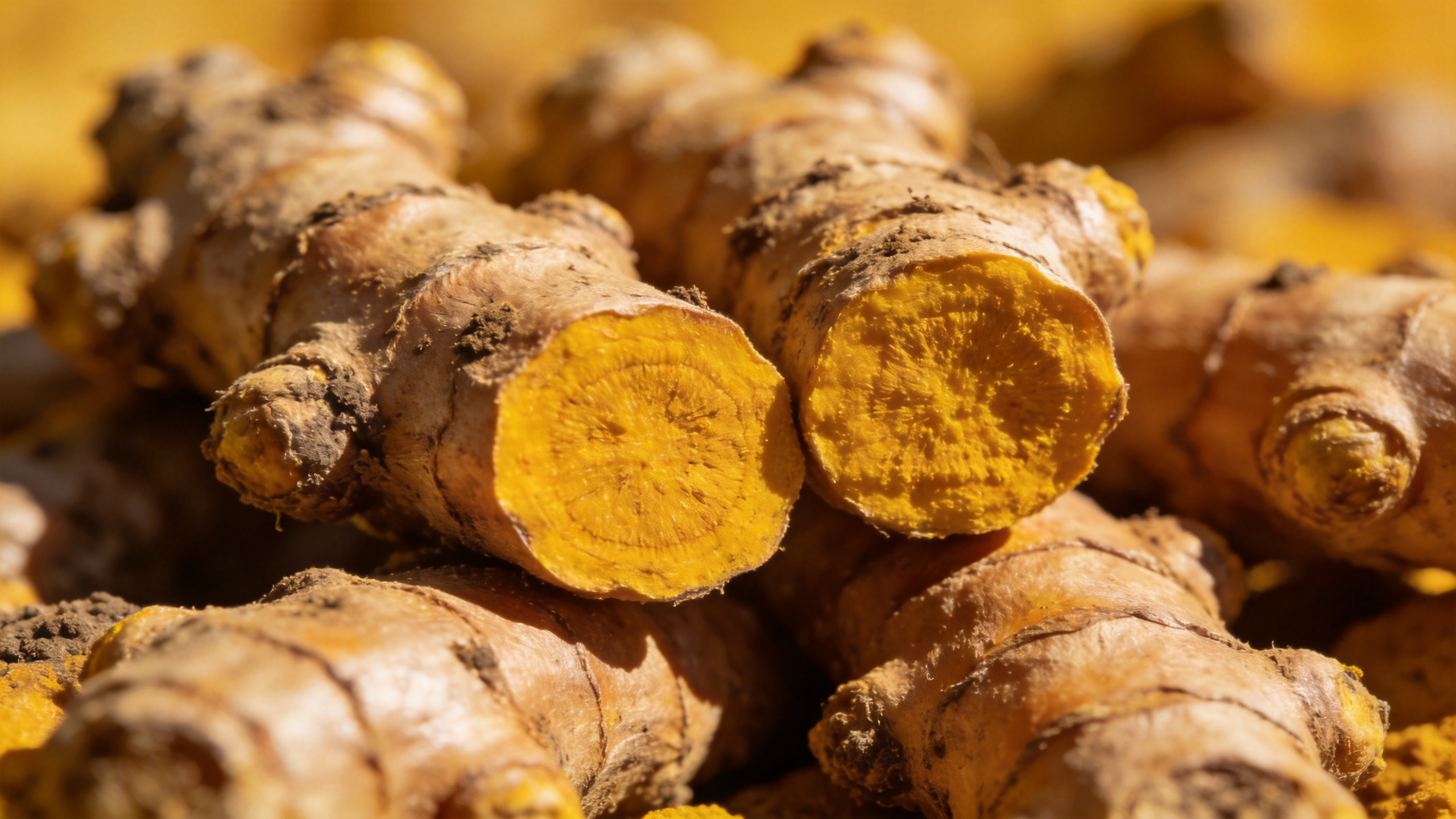



 Copy Link
 Share to WeChat
 Share to Weibo







 Submit Article







 (All Rights Reserved)
 沪公网安备31010402001403号
