Definition
Core Concepts
Caramel color (ammonium sulfite method), the international standard is called Sulfite Ammonia Caramel, corresponds to INS number 150d and CNS number 08.109 in China's food additive standard system, the international classification is Class IV (class IV caramel color), and E number is E150d. According to the definition of GB 1886.64-2015 "National Food Safety Standard Food Additive Caramel Color", ammonium sulfite method caramel color refers to the use of carbohydrates as the main raw material, in the presence of ammonia and sulfite at the same time, with or without acid (alkali) Food additives made.
Terminology dismantling
"Caramel color": Caramel color (Caramel Color) is a complex reddish brown or dark brown mixture of carbohydrates (such as caramel, sucrose, molasses, invert sugar, lactose, maltose syrup and starch hydrolysate, etc.) at high temperature, decomposition and polymerization, some of which exist in the form of colloidal aggregates. Caramel color is one of the most widely used colorants in the global food industry and the only food additive allowed in the whisky industry.
"Ammonium sulfite method": The core feature of the ammonium sulfite method is the simultaneous use of two types of catalysts in the production process-sulfites and ammonium compounds. The specific catalysts used include: ammonium sulfite ((NH₂) CO₂), ammonium bisulfite (NH₂ HSO), ammonia (NH₂ OH), ammonium carbonate ((NH₂) CO₂), ammonium bicarbonate (NH₂ HCO), etc. The combined use of these catalysts makes the product have unique physical and chemical properties, especially excellent acid resistance, making it particularly suitable for use in acidic food environments such as carbonated beverages.
international classification system
According to the classification system of the United Nations Food and Agriculture Organization/World Health Organization Joint Expert Committee on Food Additives (JECFA) and the International Codex Alimentarius Commission (Codex Alimentarius), caramel color is divided into four categories according to the reaction reagents used in the production process:
| Category | INS Number | E Number | English Name | Chinese Name | Reagent |
| ------ | --------- | ------- | ---------- | ---------- | ---------- | ---------- |
| Class I | 150a | E150a | Plain caramel | Common-Law Caramel Color | No Ammonia and Sulfites |
| Class II | 150b | E150b | Sulfite caramel | Sulfite Caramel Color | Sulfite Only, No Ammonia |
| Class III | 150c | E150c | Ammonia caramel | Ammonia Caramel Color | Use only ammonia compounds, no sulfites |
| Class IV | 150d | E150d | Sulfite ammonia caramel | Ammonium sulfite method caramel color | Use both sulfite and ammonia compounds |
Special note: in China GB 2760-2024 standard, "caramel color (ammonium sulfite method)" corresponds to INS number 150d (I .e. Class IV), while "caramel color (ammonia production)" corresponds to INS number 150c (I .e. Class III). This is the correspondence between the Chinese standard system and the international JECFA classification, which should be distinguished.
essential attribute
Caramel color (ammonium sulfite method) has the following essential properties:
Chemical properties:
-It is a complex polymer mixture, not a single chemical substance
-Generated by the Maillard reaction (Maillard reaction) and caramelization (Caramelization) of sugars
-The molecule carries a positive charge (isoelectric point pH>5), which is the basis of its acid resistance
-Soluble in water, stable in acidic environment
Physical properties:
-Appearance: dark brown to black liquid or solid
-Odor: Has the characteristic charred flavor of caramel, may be slightly bitter
-Color intensity (color value): absorbance range 0.10-0.60(610nm wavelength, 0.1% solution)
-Solid content: 40%-75%
Quality indicators (according to GB 1886.64-2015):
-Absorbance (610nm):0.01~1.00
-Ammonia nitrogen (in N,%):≤ 0.6
-Sulphur dioxide (in SO₂,%):≤ 0.2
-4-methylimidazole (mg/kg):≤ 200
-Total nitrogen (in N,%):≤ 3.3
-Total sulfur (in S,%):≤ 3.5
-Arsenic (as As, mg/kg):≤ 1.0
-Lead (Pb,mg/kg):≤ 2.0
-Total mercury (in Hg, mg/kg):≤ 0.1
synonymous/near-synonymous expressions
Caramel color (ammonium sulfite method) has a variety of expressions in different contexts:
-Ammonium sulfite caramel color
-Fourth Caramel (Class IV Caramel)
-Acid resistant caramel color
-E150d / INS 150d
-Sulfite Ammonia Caramel (international English name)
-Caramel color for acidic drinks
-Soft drink caramel color
Applicable boundary
The use of caramel color (ammonium sulfite method) has clear applicable boundaries:
Scope of use: According to GB 2760-2024 "National Food Safety Standards for the Use of Food Additives", caramel color (ammonium sulfite method) is allowed to be used in the following food categories:
-modified milk (max. 1.0 g/kg)
-Frozen drinks (max. 2.0 g/kg)
-Candy class (according to the production needs of appropriate use)
-Biscuit type (maximum usage 50.0 g/kg)
-Soy sauce (used in appropriate amount according to production needs)
-Brewing sauce (maximum usage 10.0 g/kg)
-Cooking wine and products (maximum usage 10.0 g/kg)
-compound seasoning (maximum use 50.0 g/kg)
-Carbonated drinks (maximum usage 50.0g/L)
-Formulated wine (maximum usage 50.0g/L)
Limitations of use:
-Need to strictly control the content of 4-methyl imidazole ≤ 200 mg/kg
-Compliance with Good Manufacturing Practices (GMP)
-Use only for specified food categories
historical evolution
The use of caramel color can be traced back to ancient times. Humans have long discovered that sugar will appear dark brown and have a special flavor when heated. However, the production of caramel color on an industrial scale began in the brewing industry in the 19th century, when it was used for beer coloring.
Key history nodes:
| Year | Event |
| ------ | ------ |
| 19th century | Caramel color was first commercially used on a large scale in the brewing industry |
| Early 20th century | The United States began to industrialize the production of caramel color |
| 1960 s | Ammonium sulfite process developed successfully, specifically for acidic beverages |
| 1970 s | The International Joint Expert Committee on Food Additives (JECFA) began to systematically evaluate the safety of caramel color |
| 1985 | The 29th meeting of JECFA established ADI(0-200 mg/kg bw) for Class III and Class IV caramel colors |
| 2007 | The U.S. National Toxicology Program (NTP) released the results of the 4-MEI animal study, raising safety concerns |
| 2011 | California put 4-MEI on Proposition 65 list of carcinogens |
| 2012 | Major Coke Manufacturers Announce Reduction of 4-MEI in Products |
| 2015 | China Releases GB 1886.64-2015 Standard, Limits of 4-MEI ≤ 200 mg/kg |
| 2024 | China Releases GB 2760-2024 Standard to Continue to Regulate the Use of Caramel Color |
different perspectives
Chemical Angle: Caramel color is the product of Maillard reaction and caramelization reaction. Maillard reaction is a series of complex chemical reactions of reducing sugars and amino acids under heating conditions, resulting in brown to black melanin-like substances; caramelization reaction is the dehydration, cleavage and polymerization of sugars at high temperatures. The particularity of the ammonium sulfite process is the simultaneous introduction of sulfite and ammonium compounds as catalysts, which participate in the reaction to produce specific products containing nitrogen and sulfur.
Food science perspective: Caramel color (ammonium sulfite method) has a unique charge characteristic-positive charge, which makes it stable in acidic environments (pH 2.5-4.5) without precipitation or flocculation. This feature makes it an ideal colorant for acidic foods such as carbonated drinks.
Safety regulatory perspective: 4-methylimidazole (4-MEI) is an inevitable by-product of ammonium sulfite (and ammonia) caramel color production process. The carcinogenicity of 4-MEI is the core issue of caramel color safety assessment, which has been studied and evaluated by regulatory agencies in various countries.
Industrial application point of view: ammonium sulfite method caramel color has the advantages of high color price, relatively low cost, good acid resistance and so on. It is currently the largest caramel color category in the world, accounting for about 70% of the total amount of caramel color.
Related Concepts
Comparison with other categories of caramel color:
| Class I (E150a) | Class II (E150b) | Class III (E150c) | Class IV (E150d) |
| ------ | --------------------- | -------------- | --------------- | --------------- | ----------- |
| Chinese Name | Common Caramel Color | Sulfite Caramel Color | Ammonia Caramel Color | Ammonium Sulfite Caramel Color |
| Catalyst | None | Sulfite only | Ammonia compounds only | Sulfite + Ammonia compounds |
| 4-MEI Content | None | Minor Amount | Lower | Higher |
| Main Applications | Whiskey, Baking | Tea, Wine | Beer, Soy Sauce | Carbonated Beverages, Soy Sauce |
| Acid resistance | General | General | Good | Excellent |
| Total sulfur | <0.3% | 1.3-2.5% | <0.3% | 1.4-10.0% |
| Total nitrogen | <0.1% | <0.2% | 1.3-6.8% | 0.5-7.5% |
4-Methylimidazole (4-MEI):
-Chemical name: 4-methylimidazole
-CAS No.: 822-36-6
-Molecular formula: C? H? N?
-Molecular weight: 82.1g/mol
-Appearance: Light yellow solid
-Melting point: 56°C
-Boiling point: 263°C
-Properties: Soluble in water and ethanol
4-MEI is a byproduct produced by the Maillard reaction during the production of caramel color by the ammonium sulfite process. Its formation requires two necessary conditions: reducing sugars and ammonia compounds. Under high temperature conditions, aldehydes produced by the decomposition of reducing sugars react with ammonia to produce imidazole compounds.
THI (2-acetyl-4-tetrahydroxybutylimidazole):
THI is a unique by-product of Class III (ammonia method) caramel color and is present only in E150c, not in E150d (ammonium sulfite method). EFSA's 2011 assessment concluded that THI may be immunotoxic, so it formulated a more stringent ADI for E150c than E150d (100 mg/kg bw vs 300 mg/kg bw in 100 mg/kg bw group).
Maillard reaction and non-enzymatic browning:
The Maillard reaction (Maillard reaction) is a chemical reaction first described by French chemist Louis-Camille Maillard in 1912. It refers to a series of complex reactions between reducing sugars and amino acids under heating conditions to generate brown to black melanin-like substances. Maillard reaction is a widespread browning phenomenon in food processing. It is not only the basis of industrial production of caramel color, but also the root cause of food coloring in daily cooking.
Industry Overview
industrial chain structure
Caramel color (ammonium sulfite method) industry has formed a complete upstream and downstream industrial chain system:
Upstream Industries:
Upstream mainly involves feedstock supply and catalyst production:
| Raw Material Category | Main Varieties | Supplier Type |
| ---------- | ---------- | ------------ |
| carbohydrate raw materials | glucose syrup, fructose syrup, sucrose, molasses, starch hydrolysate | starch sugar factory, sugar enterprise |
| Ammonium Catalyst | Ammonia, Ammonium Carbonate, Ammonium Bicarbonate, Ammonium Sulfite | Chemical Enterprise |
| Sulfites | Sodium Sulfite, Sodium Bisulfite, Sodium Metabisulfite | Chemical Enterprises |
| auxiliary materials | acids (sulfuric acid, citric acid), alkali (sodium hydroxide, potassium hydroxide) | chemical enterprises |
The quality of upstream raw materials directly affects the product quality and performance of caramel color. High-quality glucose syrup is the basis for the production of high-quality caramel colors, and its purity, DE value (dextrose equivalent) and moisture content are all key parameters.
Midstream industry:
The middle reaches are caramel color production and manufacturing links, mainly including:
| Production process | Features | Represents type of business |
| ---------- | ------ | -------------- |
| Pressure method | Temperature and pressure controllable, stable product quality | Large scale enterprise |
| Normal pressure method | Simple equipment, but difficult quality control | Small and medium-sized enterprises |
| extrusion method | can produce powder products, high technical requirements | specialized enterprises |
The core of the production process lies in the precise control of reaction conditions:
-Temperature control: 100°C-170°C
-Pressure control: 0.05-0.7MPa
-pH control: acidic to neutral
-Reaction time: hours to tens of hours
Downstream Industries:
The downstream applications of caramel color (ammonium sulfite method) cover several areas of the food industry:
| Application | Percentage | Main Products | Core Requirements |
| ---------- | ------ | ---------- | ---------- | ------ |
| Carbonated drinks | About 70% | Coke, functional drinks | Acid resistance, color stability |
| soy sauce seasoning | about 15% | raw smoke, old smoke | salt tolerance, red index |
| Other Foods | About 15% | Bakery, Confectionery, Sauce | Specific Functional Needs |
Market size
Global Market Size:
According to industry research data, the global caramel pigment market has maintained a steady growth trend in recent years:
| Year | Market Size (US $billion) | Remarks |
| ------ | --------------- | ------ |
| 2020 | circa 19.5 | Outbreak impact, slower growth |
| 2022 | Approximately 21.8 | Restorative growth |
| 2024 | Approximately 23.6 | Steady growth |
| 2025 | Approximately 25.0 (Forecast) | Continued Growth |
| 2030 | Approximately 32.0 (forecast) | Approximately 5-6% CAGR |
Among them, ammonium sulfite caramel color (Class IV) accounts for about 70% of the total amount of caramel color, which is the largest caramel color category in the market.
China market size:
China is the world's largest producer and consumer of caramel color:
| Year | Output (tons) | Market size (billion yuan) | Annual growth rate |
| ------ | ------------- | ----------------- | ---------- |
| 2021 | Approximately 32 | 28.5 | 6.8% |
| 2022 | Approximately 34 | 29.6 | 3.9% |
| 2023 | About 36 | 31.8 | 7.4% |
| 2024 | Approximately 38.6 | 34.2 | 7.5% |
| 2025 | Approximately 41.5 (Forecast) | 36.9 (Forecast) | 7.9 (Forecast) |
| 2030 | Approximately 58 (Forecast) | 52.6 (Forecast) | 7.4%(Forecast) |
Regional distribution:
China's caramel color production capacity shows obvious regional concentration characteristics:
| Region | Proportion of production capacity | Major provinces | Industrial advantages |
| ------ | ---------- | ---------- | ------ | ---------- |
| East China | About 47% | Jiangsu, Zhejiang, Shandong | Chemical Industry Chain Perfect, Logistics Convenient |
| South China | About 22% | Guangdong, Guangxi | Consumer market concentration, raw material advantage |
| North China | About 15% | Hebei, Tianjin | Near Consumer Market |
| central and western regions | about 16% | sichuan, hubei, etc. | labor cost advantage, abundant resources |
Key Participants
Global Markets:
The global caramel color industry is highly concentrated, with several large multinational companies dominating. Important players in the global caramel color industry include:
-An international caramel color group: headquartered in the United States, it is one of the world's largest caramel color manufacturers. Its products cover all four types of caramel colors and have production bases in many countries around the world.
-European caramel enterprises: occupy an important position in the European market, known for high-quality products
-Japanese caramel enterprises: strong influence in the Asia-Pacific market
The Chinese market:
After years of development, China's caramel color industry has formed a relatively complete industrial system. Major domestic enterprises include:
-A leading domestic enterprise: focusing on natural pigment production
-A food additive enterprise: focus on the production of caramel color and other food colorants
-Around the professional caramel color manufacturers: a large number of different sizes
By the end of 2024, there were about 68 enterprises with food grade caramel production qualification, including about 9 enterprises with an annual production capacity of more than 5000 tons, accounting for 68.4 of the total national production capacity.
development stage
Caramel color (ammonium sulfite method) industry is in the mature stage of development, the main features include:
| Stage characteristics | Specific performance |
| ---------- | ---------- |
| Technology maturity | Stable production process with medium technical barriers |
| Market Maturity | Steady Growth in Demand and Considerable Market Size |
| Competition pattern | Industry concentration increases, leading enterprises have obvious advantages |
| Regulatory perfection | The standard system is sound and the supervision is becoming more and more strict.
| Product differentiation | High-end products are significantly differentiated from ordinary products |
regional pattern
Global regional distribution:
| Region | Market Position | Features |
| ------ | ---------- | ------ | ------ |
| North America | Mature Markets | Steady Demand for Carbonated Beverages, High Concern for 4-MEI |
| Europe | Mature markets | Stable demand for beer and condiments, strict EFSA regulation |
| Asia-Pacific | Fastest Growing Market | China, India and Other Countries with Rapid Growth in Demand |
| Other regions | Emerging markets | Southeast Asia, the Middle East, Africa and other regions have great potential |
China Market Features:
-East China is the largest production and consumption area
-South China soy sauce industry drives caramel color demand
-- The growth rate of the central and western regions is higher than the national average
-The export market is dominated by Southeast Asia, Middle East and Africa
development process
| period | stage characteristics | key technology breakthrough |
| ------ | ---------- | -------------- |
| Before 1980 s | Initial stage | Domestic small-scale production of caramel color |
| 1980-1990 s | Rapid development | Introduction of foreign technology and equipment, product quality improvement |
| 2000-2010 | Standard Development | National Standard GB 8817 Issuance and Implementation |
| 2011-2015 | Adjustment and Upgrade | 4-MEI Issue Raises Concern, Industry Consolidation |
| 2015-present | High Quality Development | GB 1886.64-2015 Implementation, Technology Upgrade |
Industry pain points
The caramel color (ammonium sulfite method) industry faces the following main challenges:
Security Disputes:
-Controversy Continues on Carcinogenicity of 4-MEI Byproducts
-California Proposition 65 warning requirements affect exports
Consumer concerns about food additives
Regulatory pressure:
-National 4-MEI limits may be further tightened
-Detection methods and technical requirements continue to improve
-Clean label trends challenge traditional products
Market competition:
-Low-end overcapacity, fierce price competition
-Competitive pressure on natural pigment alternatives
-Impact of raw material cost fluctuations
Technical challenges:
-Reduced technical difficulty of 4-MEI content
-Technical requirements for maintaining stable product performance
-Rising environmental compliance costs
Driving Factors
Demand-side drivers:
| Drivers | Impact Analysis |
| ---------- | ---------- |
| Food industry growth | Steady growth in beverage and condiment industries drives caramel color demand |
| Consumption upgrade | Increased requirements for food color, driving demand for high-end products |
| Emerging Markets | Rapid Development of Food Industry in Southeast Asia, Africa and Other Regions |
Supply-side drivers:
| Drivers | Impact Analysis |
| ---------- | ---------- |
| Technological progress | Continuous optimization of low 4-MEI production processes |
| Perfect standards | Standardized market environment is conducive to the development of high-quality enterprises |
| Industry Consolidation | Industry Concentration Increased, Head Enterprise Advantage Enhanced |
Technical Standards
International Standards
JECFA Standard
The Joint FAO/WHO Expert Committee on Food Additives (JECFA) is the highest authority for the international safety assessment of food additives. JECFA has conducted several evaluations of caramel color, and the latest specification standard was confirmed at the 74th meeting in 2011.
JECFA defines four types of caramel colors:
| Category | Definition |
| ------ | ------ |
| Class I | Use carbohydrates as raw materials, heat carbohydrates, with or without acid (alkali); do not use ammonium compounds or sulfites |
| Class II | Carbohydrate as raw material, heated in the presence of sulfite, with or without acid (alkali); does not use ammonium compounds |
| Class III | Carbohydrate as raw material, heated in the presence of ammonium compounds, with or without acid (alkali); no sulfite |
| Class IV | Carbohydrate as raw material, heated in the presence of sulfite and ammonium compounds, with or without acid (alkali) |
JECFA Caramel Color Specification Standard Key Indicators:
| Indicators | Class I | Class II | Class III | Class IV |
| ------ | --------- | ---------- | ----------- | ----------- | ---------- |
| Solids (%) | 62-77 | 65-72 | 53-83 | 40-75 |
| Color intensity | 0.01-0.12 | 0.06-0.10 | 0.08-0.36 | 0.10-0.60 |
| Total Nitrogen (%) | max 0.1 | max 0.2 | 1.3-6.8 | 0.5-7.5 |
| Total Sulphur (%) | max 0.3 | 1.3-2.5 | max 0.3 | 1.4-10.0 |
| SO2 (%) | - | max 0.2 | - | max 0.5 |
| Ammonia Nitrogen (%) | - | - | max 0.4 | max 2.8 |
| 4-MEI (mg/kg) | - | - | max 300 | max 1000 |
| THI (mg/kg) | - | - | max 40 | - |
| arsenic (mg/kg) | max 1 | max 1 | max 1 | max 1 |
| Pb (mg/kg) | max 2 | max 2 | max 2 | max 2 |
JECFA Allowable Daily Intake (ADI):
| Category | ADI Value | Creation Time |
| ------ | ------- | ---------- |
| Class I | No specific value specified ("Not specified") | 29th meeting, 1985 |
| Class II | 0-160 mg/kg body weight | 55th meeting in 2000 |
| Class III | 0-200 mg/kg body weight | 29th meeting in 1985 |
| Class IV | 0-200 mg/kg body weight | 29th meeting in 1985 |
FCC Standards
The Food Chemicals Codex (FCC) is a quality standard for food-grade chemicals issued by the United States Pharmacopoeia Commission (USP) and is widely adopted worldwide.
FCC caramel color standard is basically the same as JECFA, the main difference is:
-4-MEI limit adjusted on the basis of color intensity (according to color intensity ≤ 250 mg/kg)
-Solid content determination method added
-Detailed testing procedures are specified
FDA regulations
U.S. Food and Drug Administration (FDA) regulation of caramel colors is based primarily on 21 CFR (21 CFR):
| Regulatory Terms | Content |
| ---------- | ------ |
| 21 CFR 73.85 | Caramel Color Basic Definition and General Requirements for Use |
| 21 CFR 73.1085 | Use of Caramel Color in Pharmaceutical Products |
| 21 CFR 73.2085 | Use of Caramel Color in Cosmetics |
The FDA classifies caramel as a "color additive exempt from certification," which means:
-Manufacturers do not need to submit products to FDA for certification
-but must meet the safety and purity standards set by the FDA
-Use should follow Good Manufacturing Practice (GMP)
FDA's position on 4-MEI:
-The FDA does not currently require a specific category of caramel color on food labels.
-The FDA believes that the term "caramel coloring" can be used to describe any category of caramel color
The FDA is evaluating the safety of 4-MEI and has not taken restrictive measures.
In 2020, the FDA said, "Based on current scientific data, there is no reason to believe that 4-MEI in foods presents a short-term health risk"
EU regulations
Regulation of caramel colours in the EU is the responsibility of the European Food Safety Authority (EFSA):
| Regulations/Guidelines | Content |
| ----------- | ------ |
| Regulation (EC) No 1333/2008 | Food Additives Framework Regulation |
| Commission Directive 2008/128/EC | Caramel Color Purity Standard |
| EFSA Scientific Opinion 2011 | Caramel Color Reassessment |
Key findings of the EFSA 2011 assessment:
-Group ADI of four caramel colors: 300 mg/kg body weight/day
-E150c(Class III) ADI alone: 100 mg/kg bw/day (due to THI issues)
-None of the four caramel colors are genotoxic or carcinogenic
-4-MEI does not constitute a health concern at current exposure levels
EU caramel color 4-MEI limit:
-Class III (E150c):≤ 250 mg/kg (adjusted according to color intensity)
-Class IV (E150d):≤ 250 mg/kg (adjusted according to color intensity)
National Standards
GB 1886.64-2015
China's National Food Safety Standard Food Additive Caramel Color (GB 1886.64-2015) is the core technical standard for caramel color products:
Standard basic information:
-Release Date: 13 November 2015
-Implementation Date: May 13, 2016
-Substitute standard: GB 8817-2001
-Issued by: the People's Republic of China National Health and Family Planning Commission
Standard range:
This standard is applicable to the food additive caramel color made by common method, caustic sulfite method, ammonia method or ammonium sulfite method with sucrose, starch syrup, xylose mother liquor as raw materials.
Terms and Definitions:
-Common caramel color: using carbohydrates as the main raw material, with or without acid (alkali), without ammonia and sulfite
-Caustic sulfite caramel color: using carbohydrates as the main raw material, in the presence of sulfite, with or without acid (alkali), without ammonia compounds
-Ammonia caramel color: using carbohydrates as the main raw material, in the presence of ammonia compounds, with or without acid (alkali), without sulfite
-Ammonium sulfite method caramel color: carbohydrate as the main raw material, in the presence of ammonia and sulfite at the same time, with or without acid (alkali)
Physical and chemical index requirements:
| Indicator name | Indicator value | Remarks |
| ---------- | -------- | ------ |
| Absorbance (610nm) | 0.01~1.00 | 0.1% solution |
| Ammonia nitrogen (in N,%) | ≤ 0.6 | Ammonium sulfite method and ammonia method only |
| SO2 (in SO₂,%) | ≤ 0.2 | - |
| 4-methylimidazole (mg/kg) | ≤ 200 | Ammonium sulfite method and ammonia method must be tested |
| Total nitrogen (in N,%) | ≤ 3.3 | - |
| Total sulfur (in S,%) | ≤ 3.5 | - |
| Total arsenic (as As, mg/kg) | ≤ 1.0 | - |
| Lead (Pb,mg/kg) | ≤ 2.0 | - |
| Total mercury (in Hg, mg/kg) | ≤ 0.1 | - |
Note: The index value with * is the index value when the absorbance is 0.10 absorption units (when the absorbance is not equal to 0.10, the measurement results of each relevant index shall be converted).
GB 2760-2024
The National Food Safety Standard for the Use of Food Additives (GB 2760-2024) stipulates the scope and maximum use of caramel color (ammonium sulfite method):
Caramel color (ammonium sulfite method) Basic information:
-Chinese name: Caramel color (ammonium sulfite method)
-English name: Caramel color class IV-ammonia sulphite process
-CNS Number: 08.109
-INS number: 150d
-Function: Colorant
Allowed usage range and maximum usage (excerpt):
| Food Classification Number | Food Name | Maximum Usage |
| ------------ | ---------- | ------------ |
| 01.04.02 | Modulated condensed milk | 1.0 g/kg |
| 03.0 | Frozen drinks (except 03.04 edible ice) | 2.0 g/kg |
| 05.0 | Cocoa products, chocolate, etc. | Use in moderation according to production needs |
| 06.06 | Ready-to-eat cereals | 2.5 g/kg |
| 07.03 | Biscuits | 50.0 g/kg |
| 12.04 | Soy sauce | Use appropriate amount according to production needs |
| 12.05 | Brewing sauce | 10.0 g/kg |
| 12.10 | Compound Seasoning | 50.0 g/kg |
| 14.02 | Carbonated Drinks | 50.0g/L |
| 15.02 | Mix | 50.0g/L |
GB 2760-2014
As the predecessor version of GB 2760-2024, GB 2760-2014 "National Food Safety Standard for the Use of Food Additives" also stipulates the use requirements of caramel color (ammonium sulfite method, that is, "caramel color (ammonium sulfite method, ammonia method, common law)"). The standard was issued on December 24, 2014 and implemented on May 24, 2015.
Industry Standard
QB 2392-1998
"Food Additive Caramel Color (Ammonium Sulfite Law and Common Law)" is an industry standard issued by the former Ministry of Light Industry (now replaced by GB 1886.64-2015):
| Items | Indicators |
| ------ | ------ |
| Absorbance (610nm) | 0.05-0.60 (liquid) |
| pH | 2.5-3.5 |
| Ammonia nitrogen (in NH,%) | ≤ 0.5 |
| SO2 (in SO₂,%) | ≤ 0.10 (liquid) |
| 4-Methylimidazole (%) | ≤ 0.02 |
certification system
Food production license
In China, food additive manufacturers must obtain a food production license before they can produce and sell. Relevant requirements include:
-In accordance with the "food production license management approach"
-Have the production site, equipment and facilities, personnel and quality management system suitable for the production products
-Products comply with national food safety standards
Quality Management System Certification
| Certification Type | Scope | Core Requirements |
| ---------- | ---------- | ---------- |
| ISO 9001 | Quality Management | Establishing, Implementing and Continuously Improving a Quality Management System |
| ISO 22000 | Food Safety | Establishing and Implementing a Food Safety Management System |
| FSSC 22000 | Food Safety | Combining ISO 22000 and ISO/TS 22002 |
| Kosher Certification | Kosher Food | Compliance with Jewish Dietary Regulations |
| Halal Certified | Halal Food | Compliance with Islamic Dietary Regulations |
Certification mark
| Certification Type | Mark Meaning | Target Market |
| ---------- | ---------- | ---------- |
| Halal | Halal Certification | Muslim Countries, Middle East Markets |
| Kosher | Kosher Certification | Jewish Community, USA, Israel |
| Organic | Organic Certification | High-end Food Market |
| Non-GMO | Non-GMO Certification | GMO Concerned Consumers |
Standards Evolution
Evolution of 4-MEI Limit Standard
| TIME | STANDARD/AGENCY | 4-MEI LIMITED | REMARKS |
| ------ | ----------- | ----------- | ------ |
| Early | No specific regulations | - | Low attention |
| 2001 | GB 8817-2001 | 0.02% (200 mg/kg) | China clearly stipulates for the first time |
| 2006 | JECFA | Class IV: 1000 mg/kg (solid basis);250 mg/kg (isochromatic strength) | International Standard |
| 2008 | EU Directive | Class III/IV: 250 mg/kg (by color intensity) | EU Standard |
| 2011 | EFSA | 250 mg/kg by color intensity | EFSA assessment |
| 2015 | GB 1886.64-2015 | 200 mg/kg | China's current standard |
| After 2011 | California Proposition 65 | 29 μg/day (NSRL) | Warning requirements, non-limited |
Standard development trend
| Trends | Impact Analysis |
| ------ | ---------- |
| Limits Tighter | 4-MEI limits may be further reduced |
| Detection Technology Improvement | More Sensitive Detection Methods Continuously Applied |
| Label transparency | Specific categories of caramel color may be required |
| Clean Label Requirement | Increased Demand for Low/No 4-MEI Products |
Standard comparison
Comparison of 4-MEI limits by country
| COUNTRY | 4-MEI LIMITED | STANDARD SOURCE |
| ----------- | ----------- | ---------- |
| China | ≤ 200 mg/kg | GB 1886.64-2015 |
| EU | ≤ 250 mg/kg (by color intensity) | Directive 2008/128/EC |
| JECFA | Class III: ≤ 300/200 mg/kg;Class IV: ≤ 1000/250 mg/kg | JECFA Specification |
| US FDA | No Specific Limits | GMP Standards |
| Canada | No Specific Limits | GMP Standards |
| Japan | ≤ 200-300 mg/kg (varies by product) | Japan Food Additives Public Book |
| Korea | ≤ 250 mg/kg | Korean Food Additives Standard |
| California | 29 μg/day (NSRL warning threshold) | Proposition 65 |
Analysis of Standard Differences between China, USA and Europe
| Aspect | China | United States | European Union |
| ------ | ------ | ------ | ------ | ------ |
| Caramel Color Classification | CNS Number | No Specific Category Requirements | E Number Classification |
| 4-MEI limit | ≤ 200 mg/kg | no specific limit | ≤ 250 mg/kg (by color intensity) |
| ADI settings | Refer to JECFA | GMP | Group ADI 300 mg/kg |
| Label Requirements | Label "Caramel Color" | No Specific Category Requirements | Label E Number |
| Regulatory Agency | National Health Commission/Municipal Supervision Administration | FDA | EFSA |
Standard Implementation
Compliance of production enterprises
| Compliance Highlights | Specific Requirements |
| ---------- | ---------- |
| Ingredients control | Use standard food grade ingredients |
| Process control | Strictly implement process parameters to ensure stable product quality |
| Process monitoring | Establishment of critical control point (CCP) monitoring system |
| Finished product inspection | 4-MEI and other key indicators for each batch inspection |
| Record keeping | Maintain complete production and inspection records |
| Traceability | Establishing a product traceability system |
market supervision
| Regulatory Links | Responsible Department | Main Contents |
| ---------- | ---------- | ---------- |
| Production License | Market Supervision Department | Issuing Food Production License |
| Standard Implementation | Health Commission/Municipal Supervision Administration | Supervision and Inspection Standard Implementation |
| Market Sampling | General Administration of Market Supervision | Regular Sampling of Market Products |
| Risk Monitoring | National Center for Food Safety Risk Assessment | Risk Monitoring |
Future standards
Expected development trend
| Trend direction | Possible impact |
| ---------- | ---------- |
| 4-MEI limit may be reduced | Enterprises need to further optimize the production process |
| Standardization of detection methods | High-precision methods such as LC-MS may become standard methods |
| Tighter labeling requirements | May require specific caramel color categories and 4-MEI content |
| International Standards Harmonization | CAC is harmonizing national standards differences |
| Exposure assessment update | Exposure assessment based on the latest data |
Suggested Concerns
-Continuous tracking of international standards
-Follow the conclusions of the latest JECFA/EFSA assessment
-Follow the implementation of California Proposition 65
-Focus on changes in standards of major trading partners
Application Areas




 Buyer
Buyer Supplier


 Copy Link
 X
X Facebook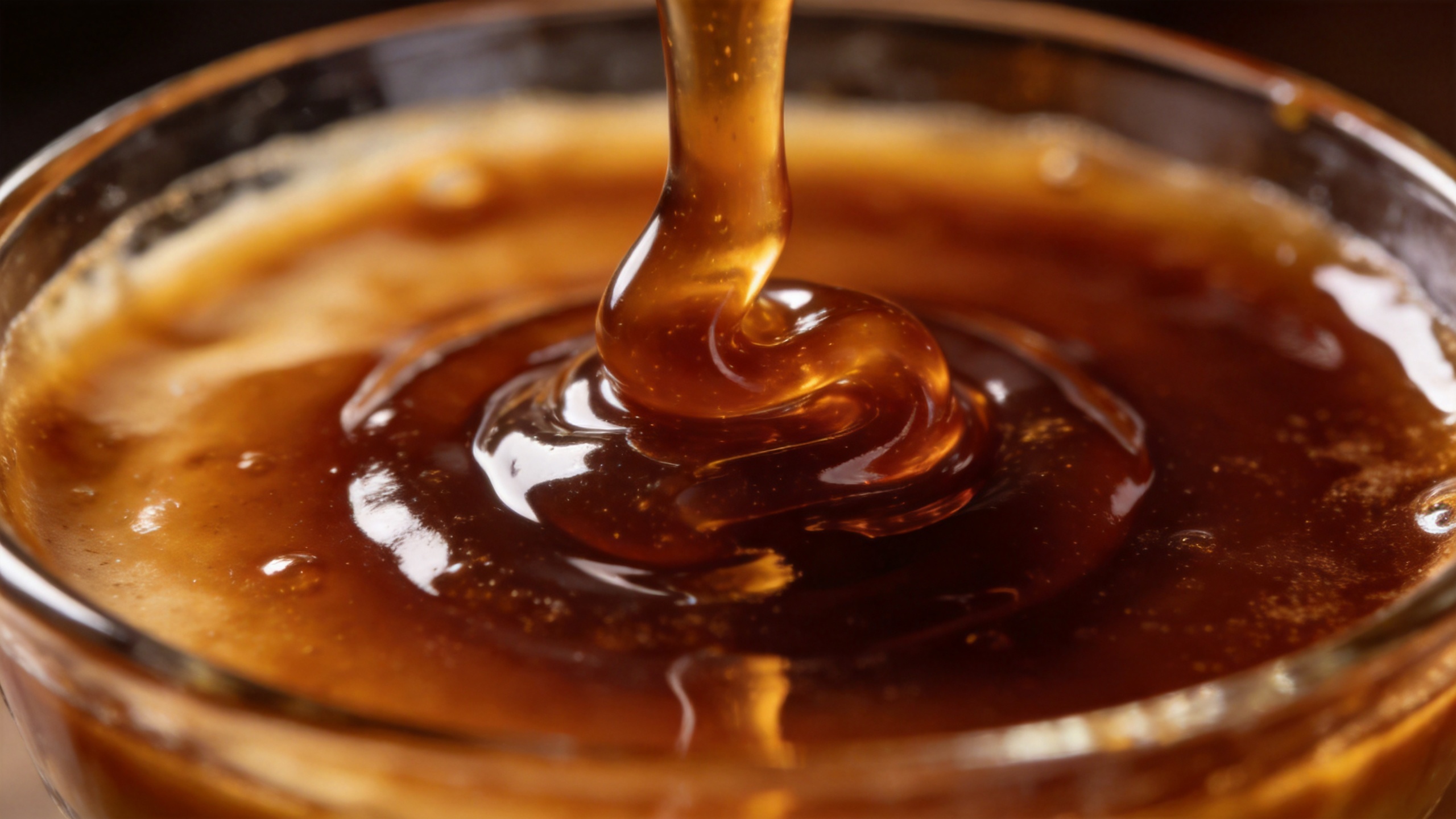



 Copy Link
 Share to WeChat
 Share to Weibo
 Submit Article








 (All Rights Reserved)
 沪公网安备31010402001403号
