Definition
Core Concepts
Caffeine (Caffeine), the standard chemical name of the International Union of Pure and Applied Chemistry (IUPAC) is 1,3, 7-trimethylxanthine (1,3, 7-trimethylphenylpurine-2, 6-dione), is a xanthine alkaloid compound naturally occurring in a variety of plants. From a taxonomic point of view, caffeine belongs to the purine alkaloids, and its chemical structure consists of a purine ring (a pyrimidine ring fused with an imidazole ring) with three methyl substituents. This unique chemical structure gives caffeine central nervous system stimulating activity, making it one of the most widely consumed psychoactive substances worldwide.
Terminology Teardown
From a terminology perspective, the Chinese name "caffeine" derives from the historical fact that it was first discovered in coffee beans. The English word "caffeine" comes from the German word "Kaffein", while the German word comes from the Italian word "cafè" (coffee). In different contexts and literature, caffeine also has a variety of synonymous or synonymous expressions: chemical literature is often called "methylxanthine"(methylxanthine) or "trimethylxanthine"; tea research has used the term "theine"(theine); medical literature may use the term "caffeine. In particular, it should be pointed out that in 1827, British chemist Oudry isolated "tea" from tea, which was confirmed to be the same substance as coffee. The International Cosmetic Ingredient Nomenclature (INCI) uses "Caffeine" as the standard name.
essential attribute
From the perspective of physical and chemical properties, caffeine has the following essential characteristics:
Appearance and form: Caffeine at room temperature appears as white or with very slightly yellow green and mercerized acicular crystal or crystalline powder, with weathering, in dry air can lose part of the crystal water.
Molecular weight: the relative molecular mass of anhydrous caffeine is 194.19, and the relative molecular mass of caffeine containing one molecule of crystal water is 212.21.
Melting Point: The melting point of caffeine ranges from 235.0°C to 237.5°C, and decomposition occurs when the melting point is reached.
Solubility: The solubility of caffeine in water increases significantly with the increase of temperature. The solubility in water at 25 ℃ is about 21.6g/L, and the solubility in water at 100 ℃ can reach 660g/L. Caffeine soluble in chloroform, pyridine, ethyl acetate and hot benzene, toluene, dimethylformamide and other organic solvents, slightly soluble in ether, petroleum ether, benzene, carbon tetrachloride and other non-polar solvents.
Chemical stability: Caffeine is relatively stable under acidic conditions and can undergo ring-opening reactions under alkaline conditions. Caffeine has sublimation properties, which can be purified by sublimation.
synonymous and near-synonymous expressions
In different subject areas and application contexts, caffeine has the following synonyms and synonyms:
At the level of chemical nomenclature: 1,3, 7-trimethylxanthine (IUPAC name), 3,7-dihydro -1,3, 7-trimethyl-1H-purine-2, 6-dione (CAS login name) are standard chemical names for caffeine.
Historical naming level: tea (theine) used to be the special name of caffeine in tea, and it has been confirmed that the "tea" in tea and the "caffeine" in coffee beans are the same compound.
Commercial nomenclature: Methyltheobromine (methyltheobromine) is the historical commercial name for caffeine, but it should be noted that caffeine and theobromine (theobromine) are different compounds.
Pharmaceutical nomenclature: Caffeine may use the expression "caffeine base" or "anhydrous caffeine" in pharmaceutical preparations to distinguish its different forms.
Applicable boundary
From a regulatory point of view, the applicable boundaries of caffeine in the field of food additives have a clear legal definition. In China, according to GB 2760-2024 "National Food Safety Standard Food Additives Use Standard", caffeine is only allowed to be used in cola carbonated beverages, with a maximum usage of 0.15 g/kg (in ready-to-drink state), and the functional classification is "other". Beyond this range will constitute illegal use. This strict scope of application reflects the state's prudential regulatory attitude towards caffeine as a food additive.
In addition, caffeine is also listed as a second-class psychotropic drug under national control in China, and its production, circulation and use are also restricted by drug management laws and regulations. The dual regulatory nature of this food additive and psychotropic drugs makes the management of caffeine a special complexity and importance.
historical evolution
The discovery and application of caffeine can be traced back to the early 19th century, and its development clearly shows the gradual deepening of human cognition of this substance:
1820: German chemist Friedrich Ferdinand Runge (Friedlieb Ferdinand Runge) successfully isolated caffeine from coffee beans for the first time, marking the beginning of human cognition of caffeine. Ruhn's research was done at the suggestion and urging of the famous German poet Goethe, who provided his treasured coffee beans to Ruhn for chemical analysis.
1827: British chemist Audry (Oudry) isolated "tea" from tea, after scientific verification confirmed that the substance and coffee because of the same compound. This finding proves that caffeine is not unique to coffee beans, but is a universal substance found in a wide variety of plants.
1840 s: Scientists began to systematically study the chemical structure and properties of caffeine, laying the theoretical foundation for subsequent synthetic research.
1895: German chemist Hermann Emil Fischer (Hermann Emil Fischer) successfully completed the first total synthesis of caffeine. This epoch-making achievement won him the Nobel Prize in Chemistry in 1902. Fischer's research not only proved that caffeine can be artificially synthesized, but also opened up new avenues for the development of organic chemistry.
In the first half of the 20th century, with the development of industrial production technology, caffeine began to be produced commercially on a large scale, and synthetic caffeine gradually became the main industrial source.
1993: China issued the first national standard for caffeine food additives GB 14758-1993, which established the quality specifications for caffeine as a food additive.
2010: GB 14758-2010 "National Food Safety Standard Food Additive Caffeine" was officially released and implemented, replacing the original GB 14758-1993, and further improving the quality specifications and detection methods of caffeine.
2024: GB 2760-2024 "National Food Safety Standard Food Additive Use Standard" was released, continuing to maintain the rule that caffeine is limited to cola carbonated beverages, and clarifying the latest usage restrictions.
different perspectives
Food science perspective: Caffeine is regarded as a functional food additive in the field of food science, mainly using its bitter taste properties (as a bittering agent) and stimulating effect on the central nervous system (as a functional ingredient). In the cola type carbonated drinks, caffeine and phosphoric acid, carbon dioxide and other ingredients synergistic effect, the formation of unique flavor characteristics and refreshing effect.
Medical pharmacy perspective: Caffeine is a central nervous system stimulant, which can promote awakening, reduce fatigue and improve cognitive function. Medically caffeine is used in combination preparations, such as with acetaminophen or aspirin for headache relief and ergotamine for migraine. However, caffeine abuse can also cause adverse reactions such as palpitations, insomnia, and anxiety.
Nutritional perspective: From a nutritional point of view, caffeine itself does not provide calories, but its stimulating effect may affect metabolic rate and energy expenditure. Studies in the field of sports nutrition have shown that moderate caffeine intake can improve exercise performance, especially endurance exercise performance. GB 24154-2015 "National Food Safety Standard General Principles for Sports Nutrition Foods" stipulates that endurance sports nutrition foods are recommended to add caffeine, and the daily usage is 20 to 100 mg.
Toxicological perspective: The oral LD50 (median lethal dose) of caffeine in rats is 192 to 260 mg/kg, which is a medium toxic substance. The safe daily intake of healthy adults is recommended to be no more than 400 mg (based on the consensus of EFSA, Health Canada and FDA), and intake of more than 100 mg before bedtime may affect sleep quality. Minors are more sensitive to caffeine and are not recommended to consume large amounts.
Related Concepts
Concepts closely related to caffeine include the following categories:
Chemical structure related: xanthine (xanthine) is the parent nuclear structure of caffeine; Theobromine (theobromine) is an isomer of caffeine, mainly found in cocoa and chocolate; Theophylline (theophylline) is a homolog of caffeine, all three are methylxanthine compounds.
Physiological effects are related: Adenosine receptor (adenosine receptor) is the main target of caffeine to stimulate the central nervous system; Caffeine metabolizing enzyme CYP1A2 is the main cytochrome P450 enzyme in the liver responsible for metabolizing caffeine; Caffeine withdrawal symptoms (caffeine withdrawal) is a physiological reaction that may occur after a long-term high intake of caffeine.
Food additive related: according to China GB 2760-2024, the CNS number (China coding system number) of caffeine is 00.007, and the functional classification is "other"; The International Codex Alimentarius Commission (Codex) also has clear regulations on the use of caffeine in food. The US FDA has identified caffeine as GRAS(Generally Recognized as Safe, generally recognized as safe) substance, but has dose restrictions on its use in specific foods.
Industry Overview
industrial chain structure
The industrial chain structure of the caffeine industry presents a typical three-level distribution pattern of upstream, midstream and downstream, with each link closely related and interacting with each other.
Upstream link-raw material supply: The raw materials for caffeine production vary according to the synthesis process and extraction process. The main raw materials for chemical synthesis include chloroacetic acid, cyanoacetic acid, urea, formaldehyde and other basic chemical raw materials, which are stable in source and transparent in price and are mainly supplied by large domestic chemical enterprises. The main raw materials of natural extraction method are tea and coffee beans, in which tea extraction mainly uses low-grade tea or tea powder produced in the production process of tea polyphenols, and coffee bean extraction uses robusta coffee beans with higher caffeine content. From the perspective of global raw material supply pattern, China is an important tea producer, which provides sufficient raw material guarantee for domestic tea extraction caffeine production.
Midstream link-manufacturing: The production process of caffeine is mainly divided into two categories: chemical synthesis and natural extraction. Chemical synthesis is represented by urea method and dimethyl urea method. The purity of synthetic process products can reach more than 99%, which has the advantages of large output and low cost. At present, synthetic caffeine accounts for more than 90% of the global market share. Natural extraction methods include supercritical carbon dioxide extraction method and organic solvent extraction method, natural extraction process accounts for about 70% of the total production capacity of the industry, but its product purity is usually slightly lower than the synthetic method. In terms of regional distribution, China is the world's largest producer of synthetic caffeine, with an annual production capacity of more than 20000 tons (including more than 12000 tons of anhydrous caffeine), accounting for more than 58% of global production capacity.
Downstream links-application consumption: Caffeine has a wide range of downstream applications, covering food and beverage, pharmaceuticals, cosmetics and health products. In the field of food and beverage, caffeine is mainly used in functional beverage products such as cola carbonated drinks, energy drinks, ready-to-drink coffee and tea drinks; in the field of pharmaceuticals, caffeine is used to prepare cold medicines and painkillers such as compound aspirin tablets and compound Anka Huang Min capsules; in the field of cosmetics, caffeine is added to eye creams, face creams and other products due to its antioxidant and microcirculation promotion effects; in the field of health products, caffeine is used in the preparation of fat reduction products and sports nutrition supplements.
Market size
The global caffeine market has maintained steady growth over the past few decades, and the market continues to expand. According to data from authoritative market research institutions such as QYResearch and Global Info Research, the global caffeine market in 2024 will have sales of approximately US $5.06 to US $0.526 billion, and the market will show a pattern of booming supply and demand. From a production perspective, global caffeine production will exceed 130,000 metric tons in 2024, with synthetic caffeine dominating. From the perspective of geographical distribution, the North American market is the world's largest regional market, with a market share of more than 35%; the Chinese and European markets together account for more than 40%, forming the second largest sector of global caffeine consumption.
From the growth trend forecast, combined with the analysis of many market research institutions, it is estimated that the global caffeine market will reach 8.36 to 0.878 billion US dollars by 2031, with a compound annual growth rate (CAGR) of about 7.5 to 7.7. The main factors driving the market growth include: the continuous expansion of the energy beverage and ready-to-drink coffee market, the increase in consumer demand for functional foods, and the incremental space brought by the upgrading of consumption in emerging markets.
From the perspective of the Chinese market, the market size of caffeinated beverages in China in 2024 is about 38.2 billion yuan, with a large market size and steady growth. As the world's largest caffeine producer and an important consumer market, China's industrial development has an important impact on the global caffeine market.
Key Participants
The global caffeine market competition pattern is relatively concentrated. According to industry statistics, the total market share of the world's top four manufacturers is about 55%. Because caffeine production involves chemical synthesis and fine chemical industry, the technical threshold is high, so the market participants are mainly enterprises with large-scale production capacity and technical advantages.
From the perspective of enterprise type, the participants in the caffeine market mainly include the following categories:
Comprehensive chemical enterprises: some large comprehensive chemical groups are involved in caffeine production business, taking advantage of their scale advantages and technology accumulation in the field of chemical synthesis to occupy a certain market share.
Professional caffeine production enterprises: professional manufacturers focusing on the R & D and production of caffeine and its derivatives, which usually have a long production history and mature production process, and have a competitive advantage in product quality stability.
Tea deep processing enterprises: Some enterprises engaged in tea deep processing take caffeine extraction as one of the product lines, and use the by-products produced in the tea extraction process to produce caffeine, forming a distinctive business model.
Multinational food ingredients companies: some multinational food ingredients companies get involved in the caffeine business through acquisition or cooperation, using their global sales network and brand influence to occupy an important position in the international market.
As the world's largest caffeine producer, China's major domestic production enterprises not only meet the domestic market demand, but also actively explore the international market, and its export volume ranks in the forefront of the world.
development stage
The development of the caffeine industry can be divided into the following main stages:
Germination period (early 19th century to the middle of the 20th century): From 1819 to 1895, caffeine has experienced important milestones such as separation from natural substances and total synthesis. At this stage, caffeine is mainly produced on a laboratory scale and has not yet formed a large-scale industrial production system.
Growth period (from the middle of the 20th century to the end of the 20th century): With the development of the chemical industry, the industrial production technology of caffeine has gradually matured, and the synthetic method has gradually replaced the natural extraction method as the mainstream production method. The booming development of the global carbonated beverage industry during this period led to the rapid growth of caffeine demand.
Mature period (from the beginning of the 21st century to the present): The caffeine industry has entered a mature stage of development, the market scale has steadily expanded, the production process has been continuously optimized, and the product quality has been continuously improved. At the same time, the regulatory policies of various countries on caffeine are becoming more and more perfect, and the standardization of the industry has been significantly improved. In recent years, with the rise of emerging categories such as energy drinks and ready-to-drink coffee, the caffeine industry has ushered in new growth drivers.
regional pattern
The global caffeine industry shows significant regional concentration characteristics, and the production and consumption show obvious geographical distribution differences.
Production side: China is the world's largest caffeine producer, accounting for more than 58% of the world's production capacity. This is mainly due to China's technology accumulation in the field of fine chemicals, complete industrial chain support and relatively low production costs. In addition to China, India, Germany and other countries and regions also have a certain caffeine production capacity, but the scale is significantly lower than China.
Consumer end: North America is the world's largest market for caffeine consumption, which is closely related to the high popularity of energy drinks and carbonated drinks in the region. Europe is a traditional coffee and tea consumption country, caffeine consumption base is deep. As the world's largest tea producer and an important emerging market for coffee consumption, China has great potential for growth in caffeine consumption.
From the perspective of trade flow, China is the world's major exporter of caffeine, and its products are exported to developed countries and regions such as the United States, Europe, and Japan. In terms of imports, except for a few high-end natural extracted caffeine products that need to be imported, the caffeine needs of most countries and regions can be met by local production or imports from China.
development process
The development course of China's caffeine industry reflects the typical characteristics of late-developing countries catching up and surpassing in the field of fine chemicals:
Initial stage (1950 s to 1970 s): After the founding of New China, caffeine began to attract attention as an important pharmaceutical raw material. During this period, China began to establish a small-scale production line of caffeine, but due to the technical level, the production capacity was limited, and the product quality was different from that of foreign products.
Technology introduction and digestion stage (1980 s to early 1990 s): After the reform and opening up, domestic enterprises have significantly improved the level of caffeine production technology through the introduction of foreign advanced technology and equipment. In 1993, China issued the first national standard for caffeine food additives GB 14758-1993, marking the beginning of the standardized development of the caffeine industry.
Rapid development stage (1990 s to 2010 s): During this period, China's caffeine production capacity expanded rapidly, the technical level continued to improve, and gradually established a leading position in the global market. In 2010, GB 14758-2010 was issued and implemented, which further improved the product quality standards and was in line with the international advanced level.
High-quality development stage (2010 s-present): While maintaining the advantage of production capacity, the domestic caffeine industry pays more attention to product quality improvement, environmental protection process improvement and industrial chain extension. High-end products such as high-purity caffeine products and functional caffeine derivatives have become an important direction for industrial upgrading.
Industry pain points
Although the caffeine industry is developing well, it still faces a number of industry pain points that need to be resolved:
Environmental pressure: caffeine synthesis process involves a certain amount of waste emissions, with the national environmental protection policy is becoming more and more stringent, environmental protection management costs become an important burden for enterprises. The development and application of green production processes has become a key issue for the sustainable development of the industry.
Structural overcapacity: There is overcapacity in low-end caffeine products, which leads to large fluctuations in product prices and squeezes corporate profit margins. Improving the degree of product differentiation and added value has become the key to enterprise competition.
Raw material price fluctuations: the prices of chemical raw materials and natural raw materials are affected by the international market, which brings challenges to the control of caffeine production costs. The establishment of stable raw material supply channels and price risk management mechanism has become an important capacity-building direction for enterprises.
International trade barriers: some countries and regions have trade barriers or technical trade measures on caffeine products, which affect the international market development of products. Responding to changes in international trade policies and enhancing the international competitiveness of products requires continuous attention.
Substitute Competition: As consumers' preference for natural health products increases, some functional ingredients may have a substitution effect on caffeine. Developing new application scenarios for caffeine and improving product differentiation are important strategies to deal with competition.
Driving Factors
The main driving factors driving the development of the caffeine industry include the following:
Energy drinks market growth: from 2018 to 2023, the average annual growth rate of global energy drinks reached 7.2. As an important consumption area of caffeine, the rapid growth of energy drinks directly drives the increase of caffeine demand. The booming ready-to-drink coffee market also provides a new growth point for caffeine demand.
Consumer health awareness: Modern consumers have an increasing demand for refreshing and maintaining vitality. As a safe and effective functional ingredient, caffeine has continued to support its market demand. The deepening of consumer awareness of caffeine contributes to the expansion of rational consumer groups.
Application field expansion: the application of caffeine in cosmetics, health products and other emerging fields continues to expand, opening up a new market space for industrial development. Caffeine's antioxidant and microcirculation-promoting effects are increasingly used in personal care products.
Technological progress: The development of new technologies such as biosynthesis technology and green environmental protection technology provides technical support for the upgrading of caffeine industry. The optimization of production processes helps to reduce production costs, improve product quality and reduce environmental impact.
Consumption upgrade in emerging markets: Caffeine consumption in emerging markets such as China and India is in a period of rapid growth. With the advancement of urbanization in these countries and the improvement of residents' consumption capacity, the market demand for caffeine products is expected to further expand.
Technical Standards
International Standards
The international standard system in the field of caffeine is based on the detection methods and quality specifications issued by the International Organization for Standardization (ISO) and the International Codex Committee (CODEX), which provides a unified technical language for the production, trade and supervision of caffeine worldwide.
ISO 20481:2008 Coffee and coffee products-Determination of caffeine content using HPLC (Reference method): This standard is the authoritative international reference method for the determination of caffeine content and specifies a method for the determination of caffeine content in coffee and coffee products using high performance liquid chromatography (HPLC). The standard describes in detail the key technical parameters such as sample pre-treatment, chromatographic conditions, qualitative and quantitative analysis methods and precision requirements, and is suitable for the determination of caffeine content in coffee beans, roasted coffee, coffee extracts and other coffee products. The publication of this standard provides an important basis for the standardization of global caffeine detection technology.
ISO 4052:1983 "Coffee-Determination of caffeine content (reference method)" (abolished): This standard is an early version of the international standard for the determination of caffeine, which has been replaced by ISO 20481:2008, marking the upgrading of caffeine detection technology from traditional methods to modern instrumental analysis methods.
AOAC Official Method 950.40 "Caffeine in Roasted Coffee (Bailey-Andrew Method)": The official method issued by the American Association of Analytical Chemists (AOAC). Bailey-Andrew method is one of the classic methods for the determination of caffeine and has extensive influence in the international detection field. The method is based on the selective dissolution of caffeine in chloroform for separation and determination.
AOAC Official Method 979.08 "Caffeine Determination Method": Another official standard method for caffeine released by AOAC provides a variety of optional technical solutions for caffeine detection, reflecting the diversified trend of international detection technology development.
The Codex Alimentarius Commission (CODEX) regulates the use of caffeine in various foods mainly through the CODEX STAN 192-1995 General Standard for Food Additives, which specifies the maximum use limit of caffeine in different food categories.
National Standards
China's caffeine-related national standard system is relatively complete, covering product quality specifications, use regulations and testing methods:
GB 14758-2010 "National Food Safety Standard Food Additive Caffeine": This standard is China's current effective national standard for caffeine product quality specifications, replacing the original GB 14758-1993. The standard was issued on December 21, 2010 and formally implemented on February 21, 2011, making comprehensive provisions on the quality specifications of food additive caffeine.
According to GB 14758-2010, the main quality indicators of caffeine are as follows:
| Indicator Items | Requirements |
| --------- | --------- |
| Caffeine content (dry basis) | 98.5-101.0% |
| Drying loss (anhydrous) | ≤ 0.5% |
| Drying loss (water content) | ≤ 8.5% |
| residue on ignition | ≤ 0.1% |
| Arsenic (As) | ≤ 2 mg/kg |
| Heavy metals (as Pb) | ≤ 10 mg/kg |
| Chromatographic purity-single impurity | ≤ 0.1% |
| Chromatographic Purity-Total Impurities | ≤ 0.1% |
The standard for caffeine sensory requirements for "white or with a very slightly yellow green and mercerized acicular crystal or crystalline powder, bitter taste, odorless".
GB 2760-2024 "National Food Safety Standards for the Use of Food Additives": This standard is the core standard for the use of food additives, which stipulates the scope and maximum use of caffeine as a food additive. According to GB 2760-2024, caffeine is only allowed to be used in coke-type carbonated drinks, with a maximum usage of 0.15 g/kg (in ready-to-drink state), and the functional classification is "other". This strict scope of application reflects the state's prudential regulatory attitude towards caffeine.
GB 5009.139-2014 National Food Safety Standard-Determination of Caffeine in Beverages: This standard specifies the method for the determination of caffeine content in beverages, which provides a technical basis for the supervision and inspection of caffeine. The standard is applicable to the determination of caffeine content in Coke carbonated drinks and other beverages.
GB 24154-2015 "National Food Safety Standard General Principles for Sports Nutrition Foods": This standard stipulates the use of caffeine in sports nutrition foods. Endurance sports nutrition foods are recommended to add caffeine, and the daily usage is 20 to 100 mg. It provides a scientific basis for the use of caffeine in sports nutrition foods.
GB/T 30767-2014 "Coffee Beverages": This standard specifies the classification and technical requirements of coffee beverages, specifying that the caffeine content in coffee beverages and espresso beverages should be ≥ 200 mg/kg and that in decaffeinated beverages should be ≤ 50 mg/kg.
GB/T 21733-2008 "Tea Beverage": This standard specifies the technical requirements for tea beverages. The caffeine content in various tea beverages (tea soup) should be ≥ 40 mg/kg, which provides a reference for the caffeine content of tea beverage products.
Industry Standard
In addition to national standards, the caffeine industry also involves several industry standards and group standards:
China Food Industry Association Group Standards: For the application of caffeine in specific foods to issue group standards to guide the standardized development of the industry.
China Beverage Industry Association industry standards: for carbonated drinks, energy drinks and other products in the use of caffeine to develop industry practices.
China Chamber of Commerce for Import and Export of Medicines and Health Products Industry Specifications: Formulate quality specifications and trade guidelines for the import and export trade of caffeine.
Industry standards usually make more detailed technical regulations for specific application scenarios or product categories under the framework of national standards, which play a role in supplementing and improving the standard system.
certification system
The certification system for caffeine products covers product quality certification, food safety certification and international certification:
Food Safety Management System Certification (ISO 22000): This certification is an international standard certification for any organization in the food chain to prove its food safety management capabilities. Caffeine manufacturers have passed ISO 22000 certification to indicate that they have established an effective food safety management system.
Food additive production license: According to China's "Food Production License Management Measures", food additive manufacturers must obtain a food additive production license before they can produce and sell. This is the basic qualification that caffeine manufacturers must have.
Drug production license: as caffeine is also a national control of psychotropic drugs raw materials, caffeine manufacturers also need to obtain drug production license or psychotropic drug raw material production qualification.
Kosher Certification and Halal Certification: Kosher Certification and Halal Certification are important market access qualifications for caffeine products for international markets or specific consumer groups.
FSSC 22000 certification: this certification is a kind of food safety management system certification, which adds additional requirements such as GMP (good practice) on the basis of ISO 22000, and the certification requirements are more stringent.
Standards Evolution
The evolution of caffeine-related standards reflects changes in regulatory thinking and advances in technical approaches:
Evolution of quality specification standards: from GB 14758-1993 to GB 14758-2010, the main changes include: improving the determination method of caffeine content, increasing chromatographic purity index (single impurity ≤ 0.1, total impurity ≤ 0.1), and improving the detection accuracy requirements for safety indexes such as heavy metals and arsenic. This evolution reflects the continuous improvement of the standard's requirements for product quality.
The evolution of the use of regulations: GB 2760 series of standards for the use of caffeine has undergone a process of change from relatively loose to gradually strict. The current GB 2760-2024 limits the use of caffeine to "coke-type carbonated drinks", which reflects the country's prudent attitude and scientific evaluation of the use of this additive.
The evolution of detection methods: from the traditional gravimetric method, volumetric method to modern high performance liquid chromatography (HPLC), gas chromatography (GC), caffeine detection technology has experienced the development process from extensive to precise. GB 5009.139-2014 HPLC method for the determination of caffeine in beverages has the characteristics of high sensitivity, good accuracy and good reproducibility.
Standard comparison
There are some differences in caffeine standards in different countries and regions, reflecting the differences in regulatory thinking and consumption habits in different countries:
| Comparison dimensions | China | United States | European Union | Canada |
| --------- | ------ | ------ | ------ | ------ | -------- |
| use range | only coke type carbonated drinks | coke type drinks, energy drinks, etc. | all kinds of drinks | coke type drinks, energy drinks |
| Maximum usage | 0.15 g/kg (cola) | 200 mg/kg (cola) | No uniform limit, evaluated by product category | cola 200 mg/kg, energy drink 145-400 mg/kg |
| Daily intake recommendation | No clear recommendation | FDA recommendation ≤ 400mg/day | EFSA recommendation ≤ 400mg/day | Adults ≤ 400mg/day, women of childbearing age ≤ 300mg/day |
| Advice for children | No clear advice | Advice to avoid high intake | 3 mg/kg bw/day | 2.5 mg/kg bw/day |
| Features of the standard system | Strict restrictions on the scope of use | GRAS accreditation, relatively loose | Scientific assessment orientation | Recommendations for differentiation by population |
From the comparison of standards, it can be seen that China is relatively strict in the scope of caffeine use, while European and American countries are more focused on total control through daily intake guidance.
Standard Implementation
Effective implementation of the caffeine standard relies on the following safeguard mechanisms:
Supervision and sampling inspection system: the State Administration of market supervision and administration and food safety supervision departments at all levels regularly supervise and inspect food additive products and food in circulation in the market, focusing on whether the caffeine content exceeds the standard limit.
Enterprise self-discipline mechanism: food additive production enterprises and food production enterprises should establish a sound internal quality control system to ensure that products meet the requirements of relevant standards.
Third-party testing services: Qualified third-party testing agencies provide caffeine testing services for enterprises and regulators, forming a quality assurance pattern that combines government regulation and corporate self-discipline.
Construction of traceability system: Establish a full-chain traceability system for caffeine from raw material procurement, production and processing to market circulation to ensure that the source of products can be traced and traced.
Future standards
Looking at the future direction of caffeine standards, the following trends may emerge:
Further coordination with international standards: With the deepening of international trade and the globalization of food safety requirements, China's caffeine standards will be further coordinated with international standards to reduce technical barriers to trade.
Refined management based on risk assessment: future standards may be based on scientific risk assessment, and the caffeine intake of different groups (adults, children, pregnant women, etc.) will be more refined.
Updating and upgrading of detection technology: With the progress of analytical detection technology, caffeine detection methods will be more sensitive, accurate and rapid, providing more powerful technical support for the implementation of the standard.
Standard improvement in emerging applications: With the expansion of caffeine in functional foods, cosmetics and other fields, the relevant subdivision standards will be further improved to fill the standard gaps in emerging application scenarios.
Application Areas




 Buyer
Buyer Supplier


 Copy Link
 X
X Facebook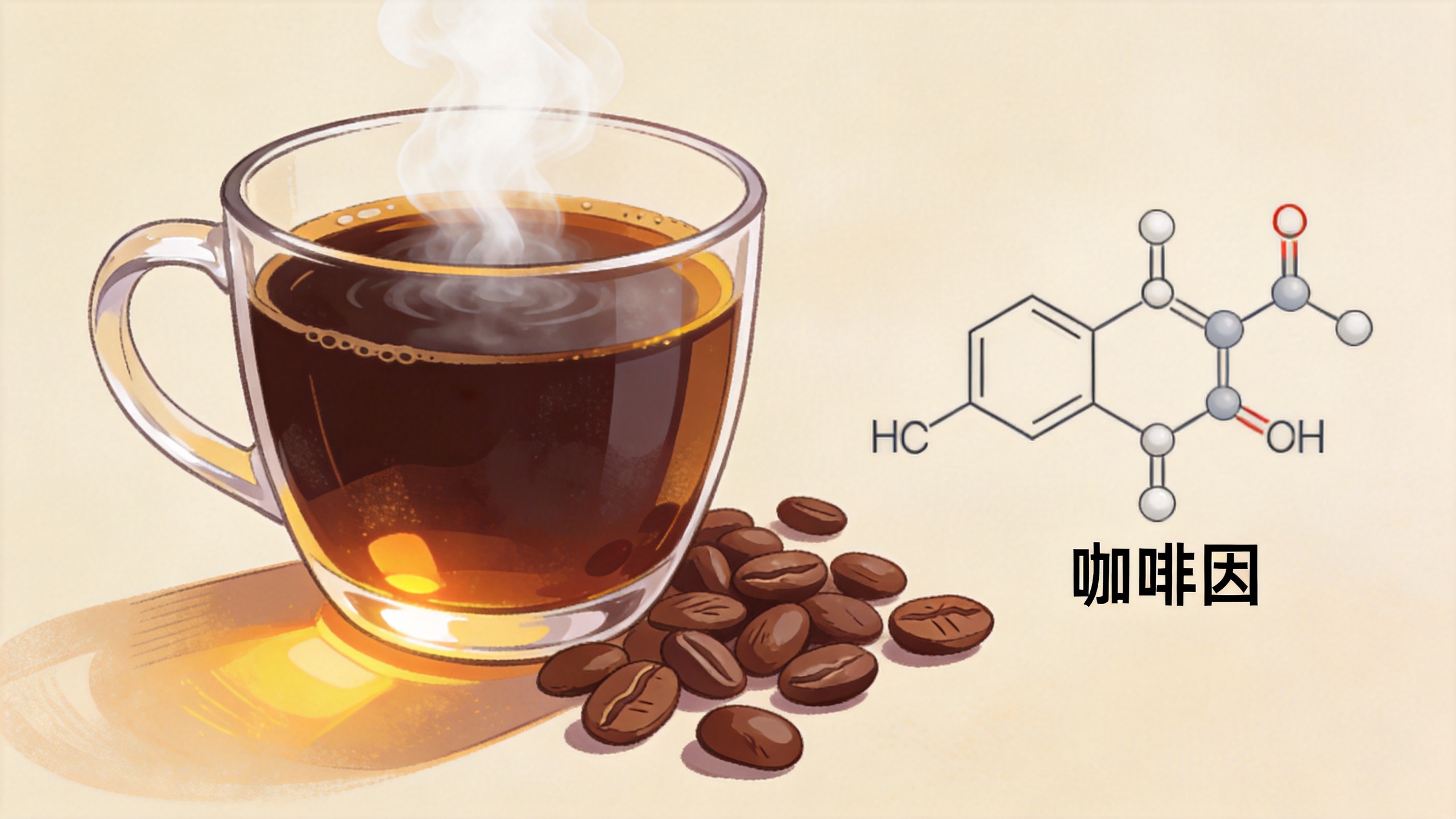
 Copy Link
 Share to WeChat
 Share to Weibo





 Submit Article








 (All Rights Reserved)
 沪公网安备31010402001403号
