







| Certificates/Standards: | N; |
| Monthly Output: | Not provided |
| Regional: | Not provided |
| Packaging Information: | Not provided |
| Mode Of Payment: | Not provided |
| Delivery Lead Time: | Not provided |
| Main Sales Markets: | North America,Central/South America,Western Europe,Eastern Europe,Australasia,Asia,Middle East,Africa |
| Sample Provided: | No |
| Sample Policy: | Not provided |
| Minimum Quantity: | Not provided |
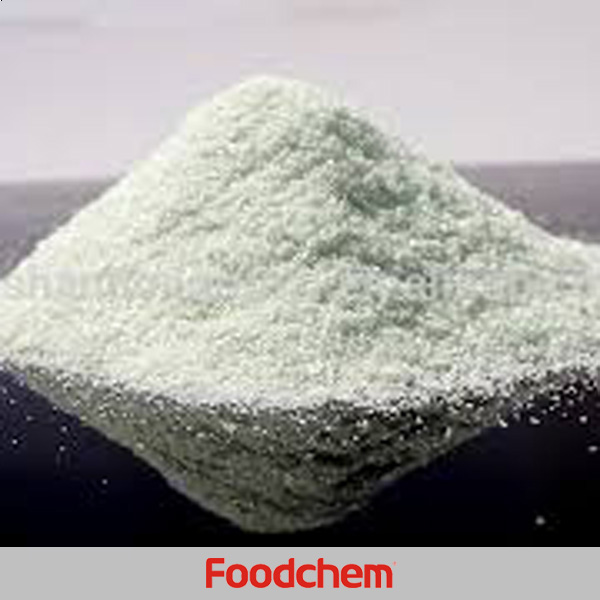
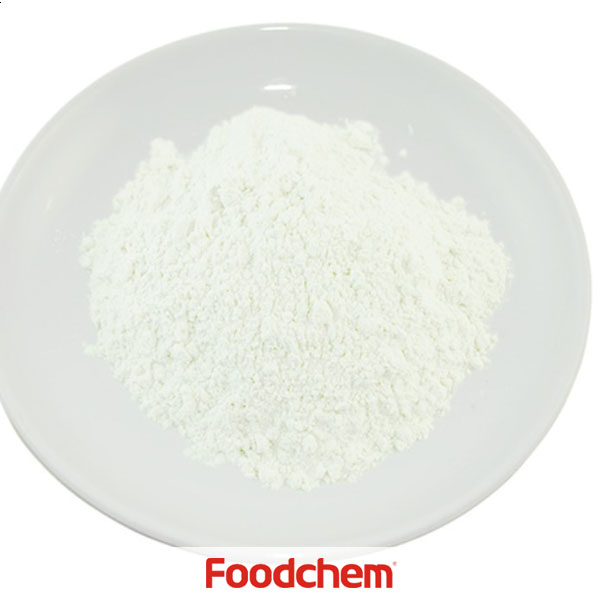
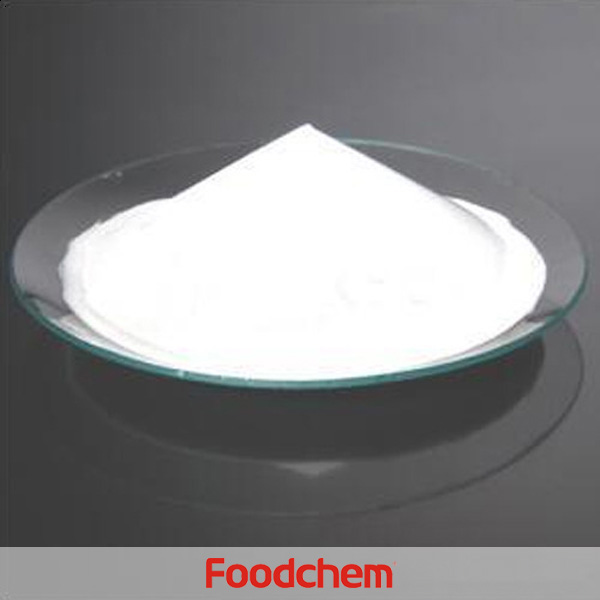
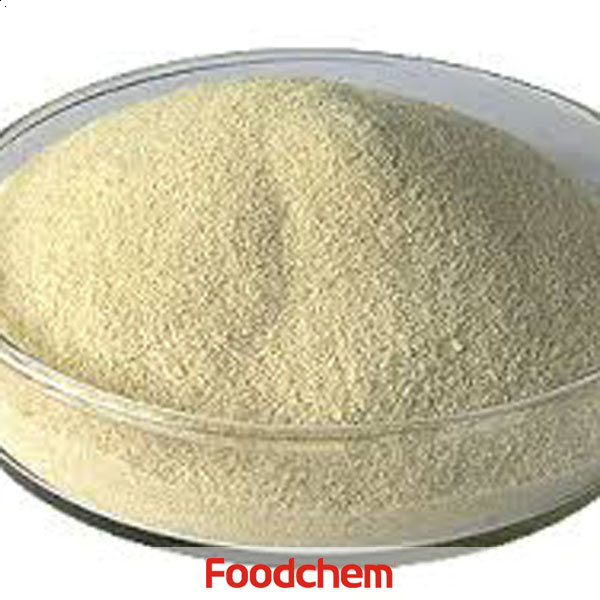
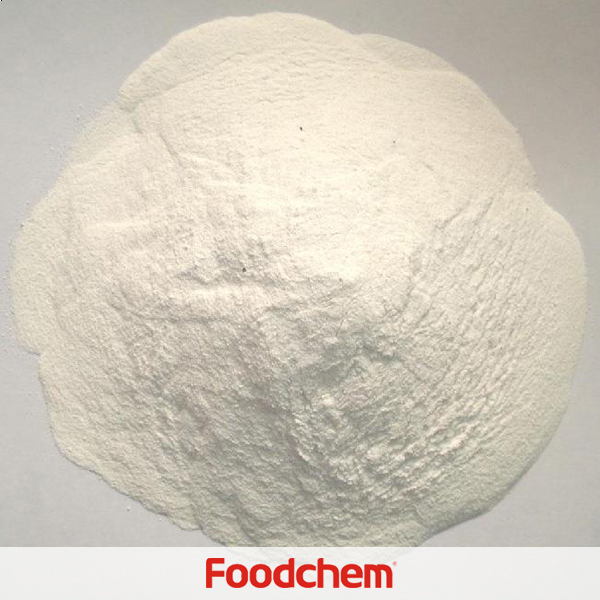
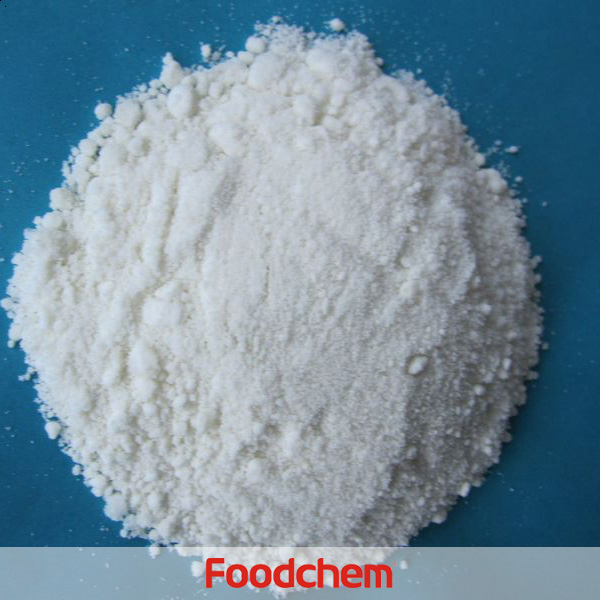
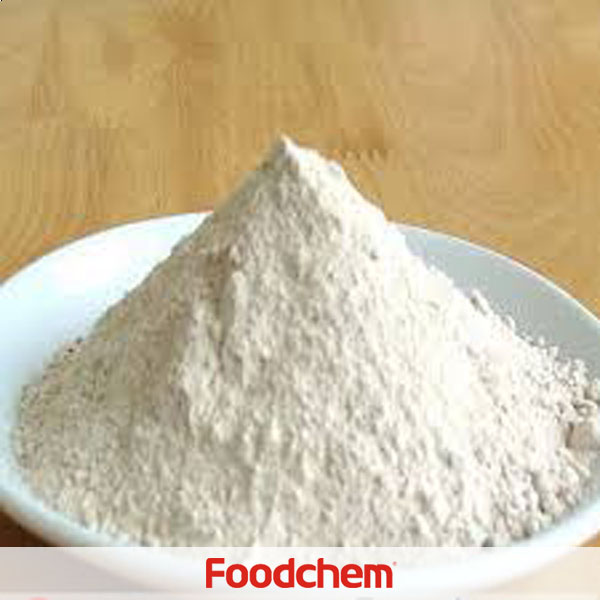
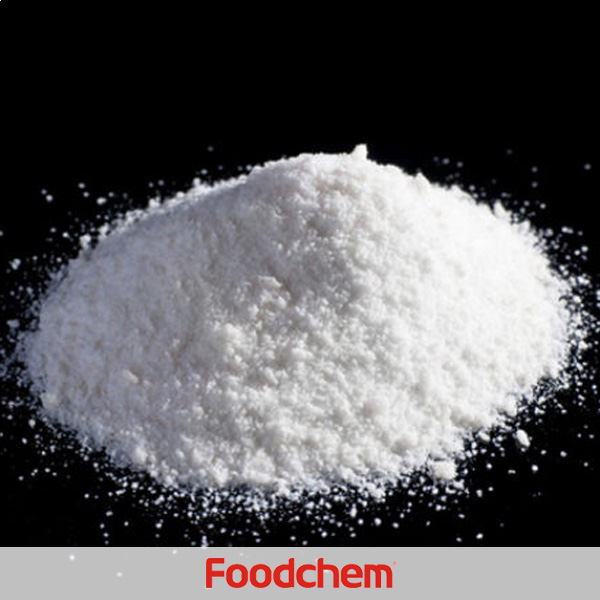
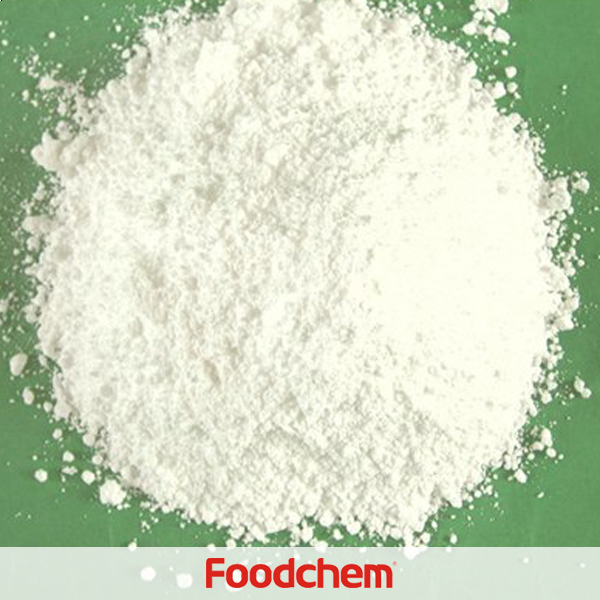
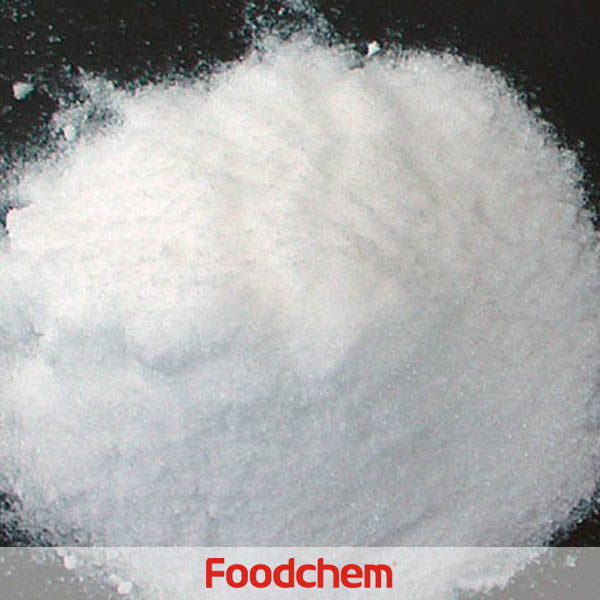
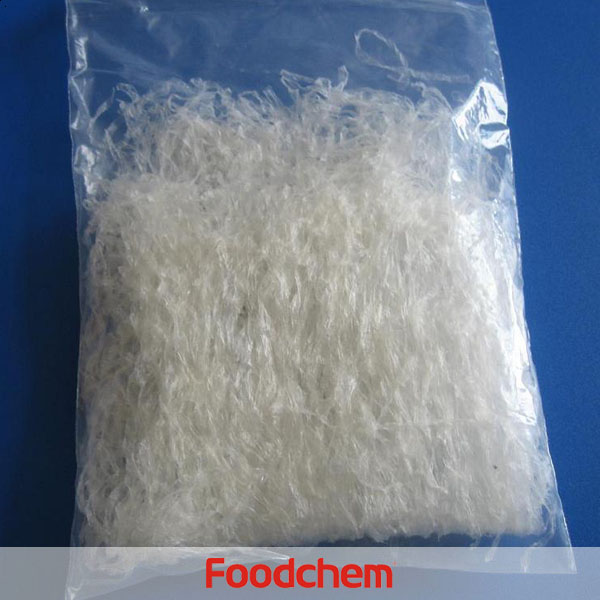
Tannic acid is a specific commercial form of tannin, a type of polyphenol. Its weak acidity (pKa around 10) is due to the numerous phenol groups in the structure. The chemical formula for commercial tannic acid is often given as C76H52O46, which corresponds with decagalloyl glucose, but in fact it is a mixture of polygalloyl glucoses or polygalloyl quinic acid esters with the number of galloyl moieties per molecule ranging from 2 up to 12 depending on the plant source used to extract the tannic acid. Commercial tannic acid is usually extracted from any of the following plant part: Tara pods (Caesalpinia spinosa), gallnuts from Rhus semialata or Quercus infectoria or Sicilian Sumac leaves (Rhus coriaria). According to the definitions provided in external references such as international pharmacopoeia, Food Chemical Codex and FAO-WHO tannic acid monograph only tannins sourced from the above mentioned plants can be considered as tannic acid. Sometimes extracts from chestnut or oak wood are also described as tannic acid but this is an incorrect use of the term. It is a yellow to light brown amorphous powder which is highly soluble in water; one gram dissolves in 0.35 mL of water.