                                   hat is Transglutaminase?

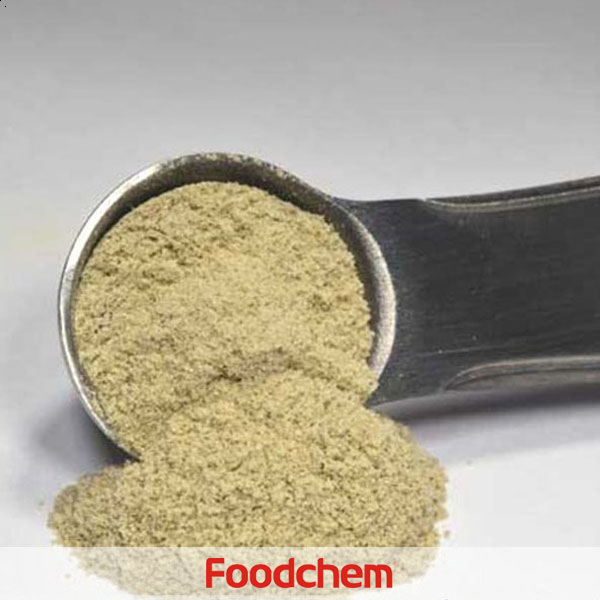
Transglutaminase is a naturally occurring enzyme found in plants, animals, and bacteria. It catalyzes cross-linking reactions between wheat and other proteins.


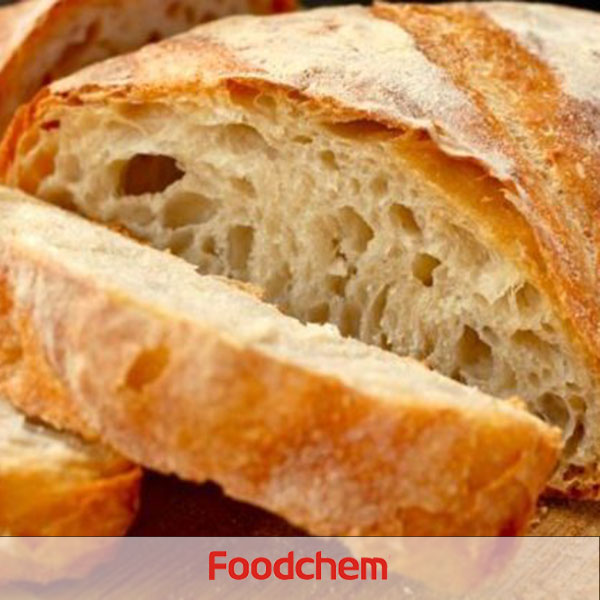
In weak gluten or gluten-free systems, it is used to increase volume and improve the structure of bread. In frozen dough, it increases dough stability and protects it from damage.


Function

Transglutaminase can function as a dough conditioner and can overcome the deficiencies in the quality of wheat gluten used in breadmaking. It is an enzyme alternative to chemical oxidizing agents and catalyzes cross-linking bonds both within protein molecules and between molecules of different proteins.

Besides improving the baking quality of wheat flour, it enhances the rheological properties of the dough by stabilizing pore size and elasticity. Other benefits of TG-as include its positive impact on the sensory properties of bread, texture and loaf volume.


Commercial Production

There are several different forms of transglutaminase. For baking applications, TG enzyme is obtained using biotechnological techniques.

The selected strain of microorganism is nurtured and fed in a seed fermenter until it is multiplied thousands of times. After the seed fermentation, cells are transferred to a larger tank where fermentation time, temperature, pH and air are optimized for growth. When fermentation is complete, the broth (a mixture of cells, nutrients, and enzymes) is filtered, purified and dried. In order to avoid oxidation, TG should be stored in vacuum packaging and under refrigeration.


Application

Favorable dough conditions for the catalytic activity of transglutaminase include a temperature of 40 °C and pH 5.5.2

Applications and effects of transglutaminase (from Improve your Dough Improver)
| Application |
Effect |
| Pastry Products |
Improved preservation and lift of puffed pastry |
| Frozen, laminated dough |
Improved stability, texture and volume |
| Low quality flour baking |
Rebuilds the structure of dough |
| Gluten free baking |
Formation of protein network, increased volume |
| Frozen dough |
Stabilizes the gluten structure embedded by starch granules |
| Dough improvers |
Improved volume, texture and shelf life |
FDA Regulations
Under specific circumstances, enzymes can be considered processing aids and will not need to be declared on the label. None-the-less, enzymes used in baking must be safe.
Examples of products where TG can be used with corresponding concentrations include:
1.Pasta products at 25 parts per million (ppm)
2.Bread products at 15 ppm
3.Pastry products (cakes, pies, doughnuts, etc.) at 20 ppm
4.Ready-to-eat cereal products at 45 ppm
5.Pizza dough at 20 ppm
6.Grain mixtures (burritos, tacos, etc.) at 25 ppm





















 沪公网安备31010402001403号

