
























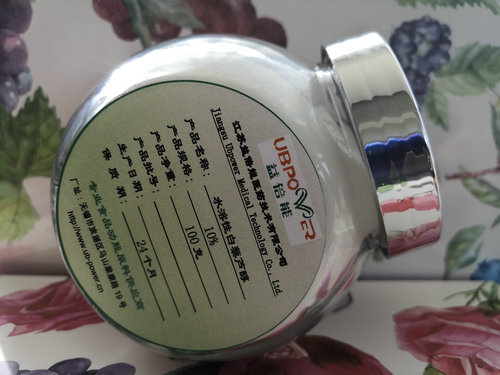
| Certificates/Standards: | N; |
| Monthly Output: | Not provided |
| Regional: | Not provided |
| Packaging Information: | Not provided |
| Mode Of Payment: | Not provided |
| Delivery Lead Time: | Not provided |
| Main Sales Markets: | North America,Central/South America,Western Europe,Eastern Europe,Australasia,Asia,Middle East,Africa |
| Sample Provided: | No |
| Sample Policy: | Not provided |
| Minimum Quantity: | Not provided |
What is Glucose Oxidase?
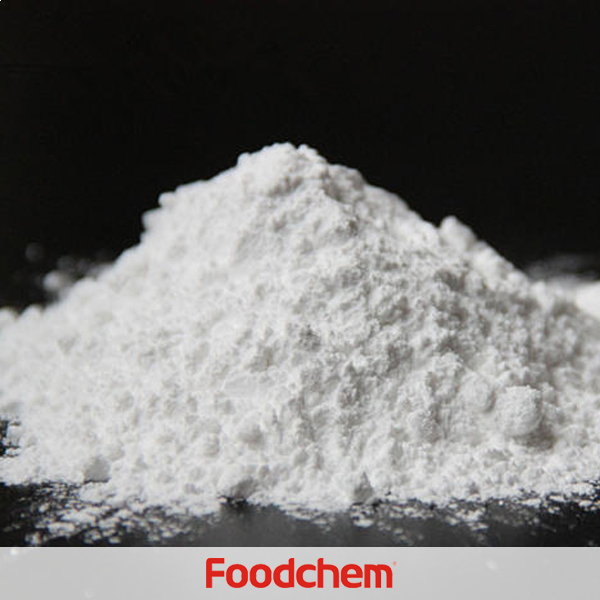
It is an enzyme that catalyzes the oxidation of glucose into hydrogen peroxide and gluconic acid.
Origin
Enzymes are naturally present in all biological systems. It can be selectively isolated from plant, animals, and microorganisms. Most glucose oxidases is produced from fungi.
Function
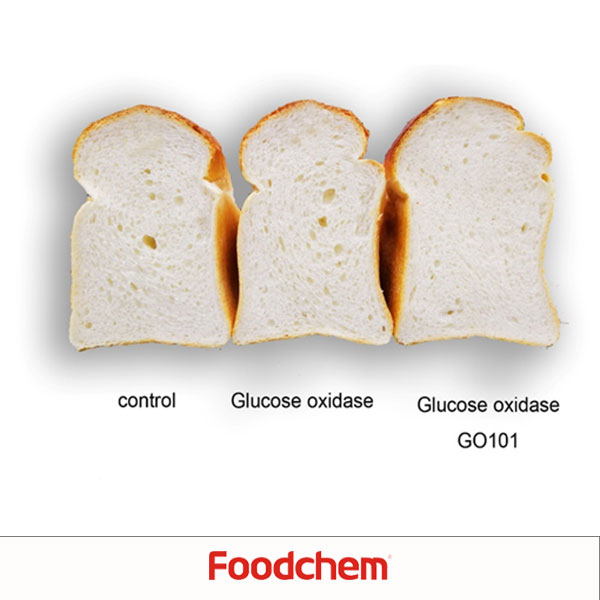
Glucose oxidase works by oxidizing glucose and producing gluconic acid and hydrogen peroxide. Theoretically, hydrogen peroxide is a strong oxidizing agent that strengthens the disulfide and non-disulfide cross-links in gluten, thus better developing the dough and improving its machinability. Providing good working conditions for these enzymes will help it function properly in a bakery system. These conditions include pH, temperature, moisture, ions and ionic strength, shearing and pressure. Enzymes function best in the range 30°C to 40°C (86°F to 104°F) and are usually destroyed at temperatures above 45°C (113°F).