





| Certificates/Standards: | N; |
| Monthly Output: | Not provided |
| Regional: | Not provided |
| Packaging Information: | Not provided |
| Mode Of Payment: | Not provided |
| Delivery Lead Time: | Not provided |
| Main Sales Markets: | North America,Central/South America,Western Europe,Eastern Europe,Australasia,Asia,Middle East,Africa |
| Sample Provided: | No |
| Sample Policy: | Not provided |
| Minimum Quantity: | Not provided |
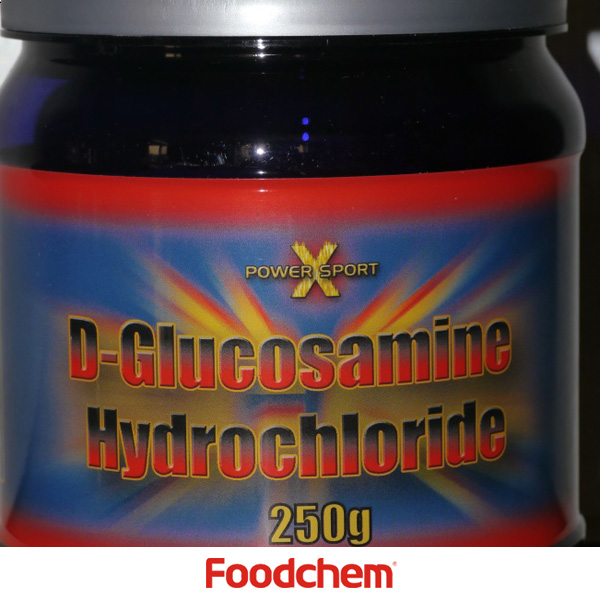
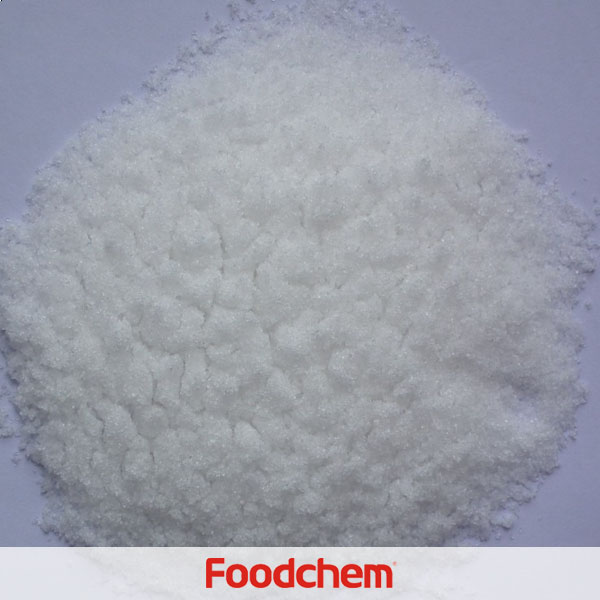
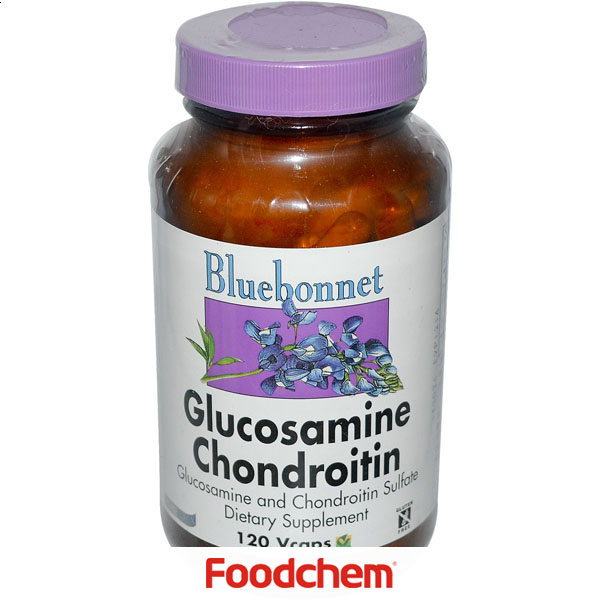
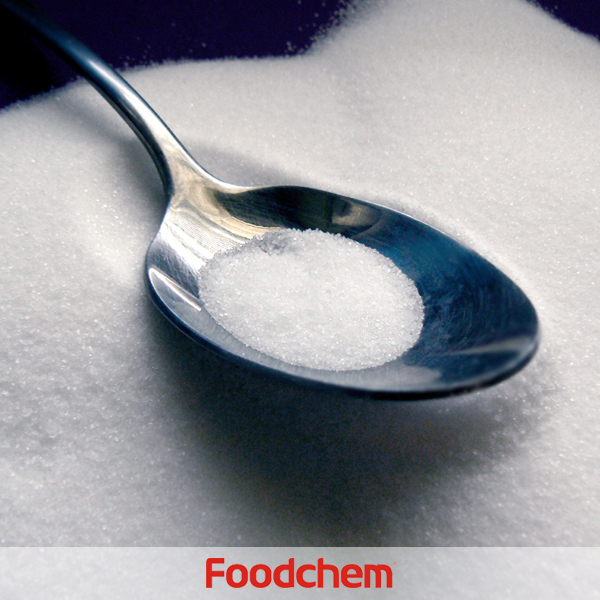
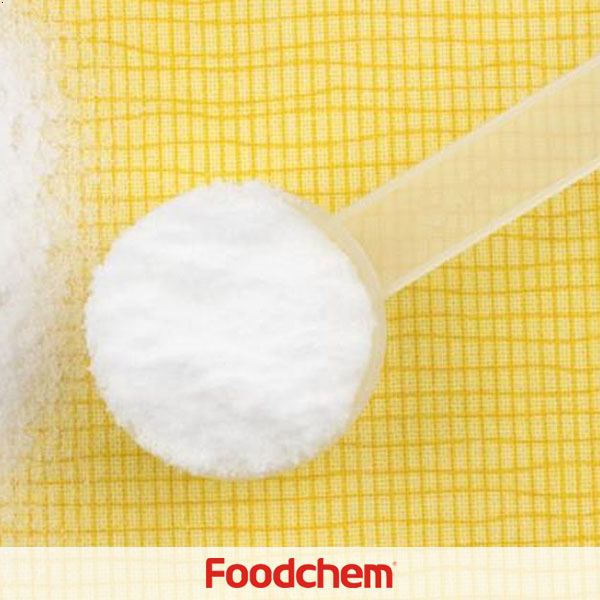
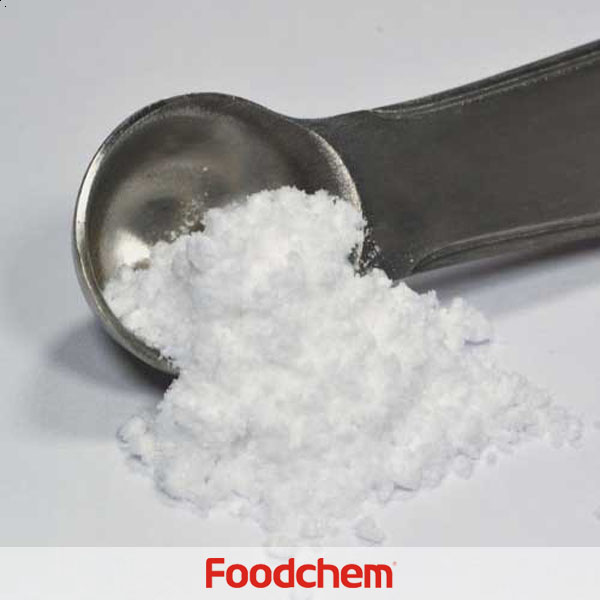
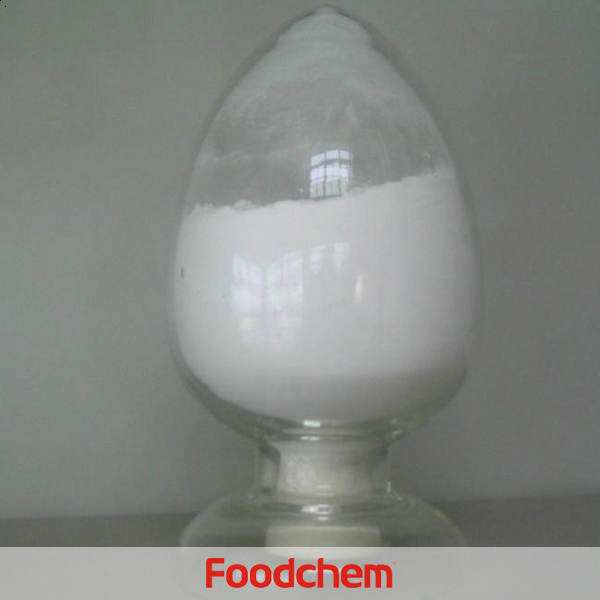
Glucosamine (C6H13NO5) is an amino sugar and a prominent precursor in the biochemical synthesis of glycosylated proteins and lipids. Glucosamine is part of the structure of the polysaccharides chitosan and chitin, which compose the exoskeletons of crustaceans and other arthropods, as well as the cell walls of fungi and many higher organisms. Glucosamine is one of the most abundant monosaccharides. It is produced commercially by the hydrolysis of crustacean exoskeletons or, less commonly by fermentation of a grain such as corn or wheat. In the US it is one of the most common non-vitamin, non-mineral, dietary supplements used by adults.Oral glucosamine is a dietary supplement and is not a pharmaceutical drug. It is illegal in the US to market any dietary supplement as a treatment for any disease or condition. Glucosamine is marketed to support the structure and function of joints and the marketing is targeted to people suffering from osteoarthritis. Commonly sold forms of glucosamine are glucosamine sulfate, glucosamine hydrochloride, and N-acetylglucosamine. Glucosamine is often sold in combination with other supplements such as chondroitin sulfate and methylsulfonylmethane.