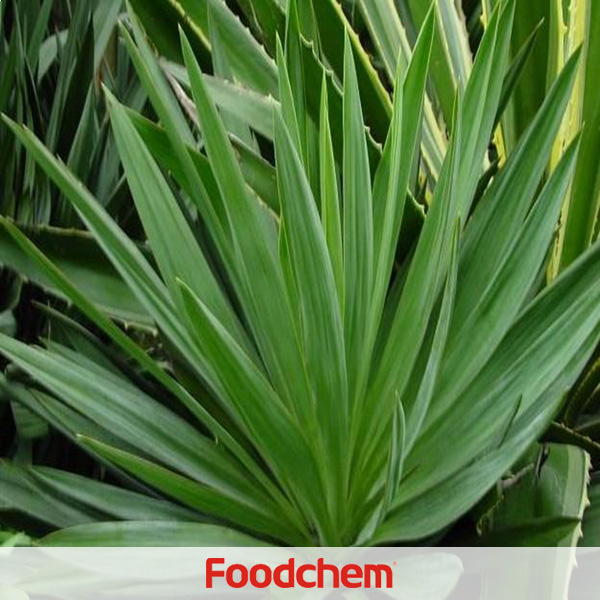
                                   Yucca is agenus of perennial shrubs and trees in the family Asparagaceae, subfamilyAgavoideae. Its 40-50 species are notable for their rosettes of evergreen,tough, sword-shaped leaves and large terminal panicles of white or whitishflowers. They are native to the hot and dry (arid) parts of North America,Central America, South America, and the Caribbean.Early reports of the species were confused with the cassava (Manihotesculenta). Consequently, Linnaeus mistakenly derived the generic name from theTaíno word for the latter, yuca (spelt with a single"c"). It is also colloquially known in the Midwest United States as"ghosts in the graveyard", as it is commonly found growing in ruralgraveyards and when in bloom the cluster of (usually pale) flowers on a thinstalk appear as floating apparitions.

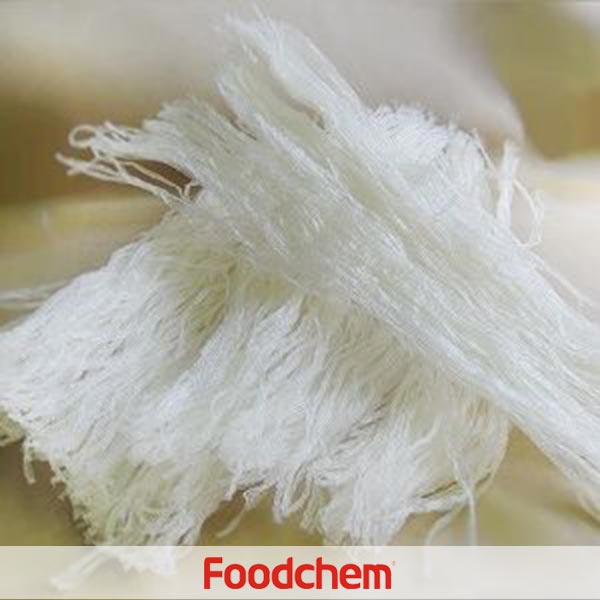
Yuccas are widely grown as ornamentalplants in gardens. Many species also bear edible parts, including fruits,seeds, flowers, flowering stems, and more rarely roots. References to yuccaroot as food often stem from confusion with the similarly pronounced, butbotanically unrelated, yuca, also called cassava (Manihot esculenta). Roots ofsoaptree yucca (Yucca elata) are high in saponins and are used as a shampoo inNative American rituals. Dried yucca leaves and trunk fibers have a lowignition temperature, making the plant desirable for use in starting fires viafriction. In rural Appalachian areas, species such as Yucca filamentosa arereferred to as "meat hangers". The tough, fibrous leaves with theirsharp-spined tips were used to puncture meat and knotted to form a loop withwhich to hang meat for salt curing or in smoke houses.























































 沪公网安备31010402001403号

