                                   Anthocyanins (also anthocyans; from Greek: ἀνθός (anthos) = flower + κυανός (kyanos) = blue) arewater-soluble vacuolar pigments that may appear red, purple, or blue dependingon the pH. They belong to a parent class of molecules called flavonoidssynthesized via the phenylpropanoid pathway; they are odorless and nearlyflavorless, contributing to taste as a moderately astringent sensation.Anthocyanins occur in all tissues of higher plants, including leaves, stems,roots, flowers, and fruits. Anthoxanthins are clear, white to yellowcounterparts of anthocyanins occurring in plants. Anthocyanins are derived fromanthocyanidins by adding pendant sugars.

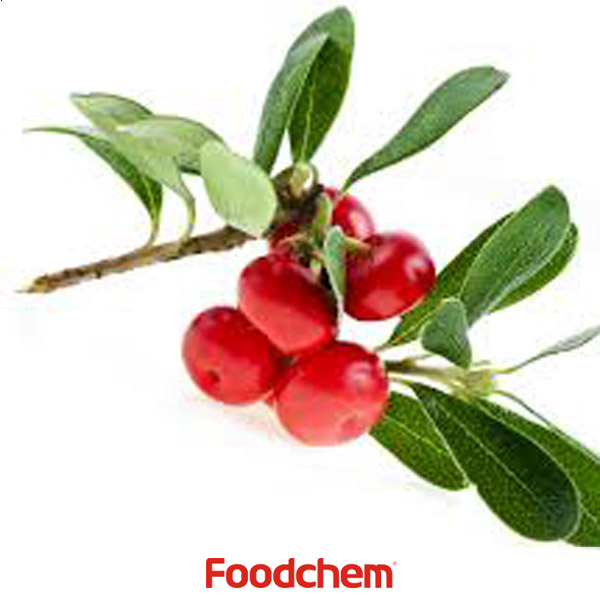
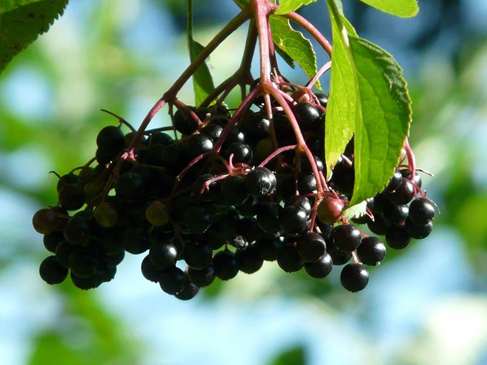
Plantsrich in anthocyanins are Vaccinium species, such as blueberry, cranberry, andbilberry; Rubus berries, including black raspberry, red raspberry, andblackberry; blackcurrant, cherry, eggplant peel, black rice, Concord grape,muscadine grape, red cabbage, and violet petals. Anthocyanins are less abundantin banana, asparagus, pea, fennel, pear, and potato, and may be totally absentin certain cultivars of green gooseberries. Red-fleshed peaches are rich inanthocyanins.






















 沪公网安备31010402001403号

