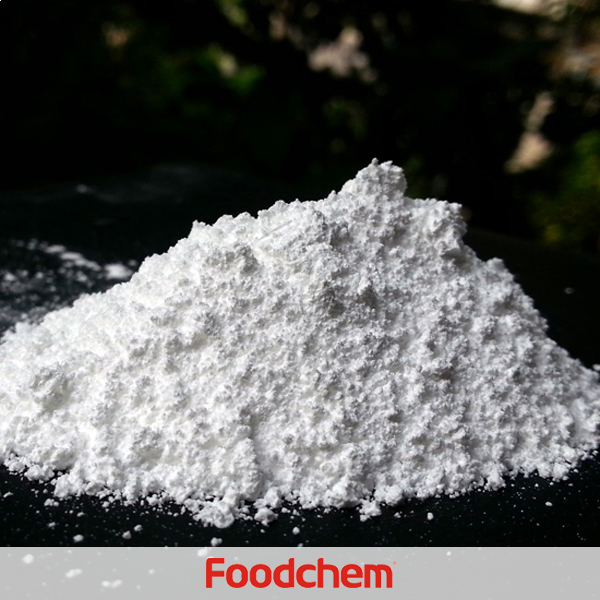
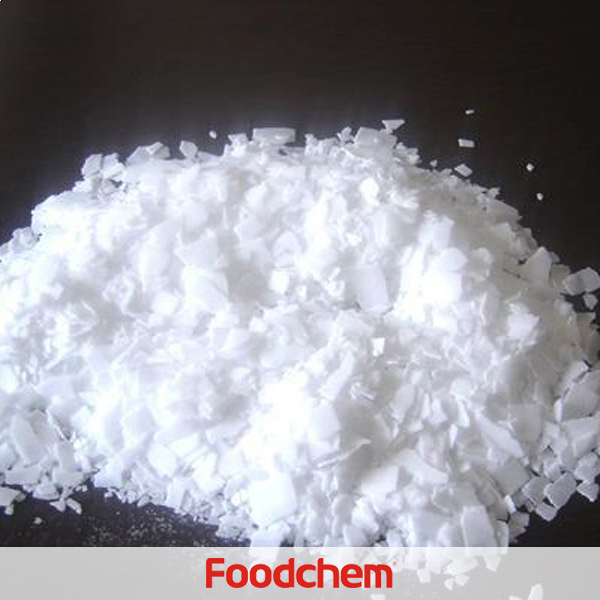
Camphor /ˈkæmfər/ is a waxy, flammable, white or transparent solid with a strong aromatic odor. It is a terpenoid with the chemical formula C10H16O. It is found in Zam-Buk, the wood of the camphor laurel (Cinnamomum camphora), a large evergreen tree found in Asia (particularly in Sumatra, Borneo and Taiwan, China) and also of Dryobalanops aromatica, a giant of the Bornean forests. It also occurs in some other related trees in the laurel family, notably Ocotea usambarensis. Dried rosemary leaves (Rosmarinus officinalis), in the mint family, contain up to 20% camphor. It can also be synthetically produced from oil of turpentine. It is used for its scent, as an ingredient in cooking (mainly in India), as an embalming fluid, for medicinal purposes, and in religious ceremonies. A major source of camphor in Asia is camphor basil. Modern uses include camphor as a plasticizer for nitrocellulose (see Celluloid), as a moth repellent, as an antimicrobial substance, in embalming, and in fireworks. Solid camphor releases fumes that form a rust-preventative coating, and is therefore stored in tool chests to protect tools against rust.






































 沪公网安备31010402001403号

