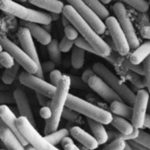
                                   Bifidobacterium longum CCFM760

Deposit Number: GDMCC No. 15032, isolated from a healthy Chinese infant

National Invention Patent: A strain of Bifidobacterium longum and its applications

Patent Number: ZL 201711444295.1

Human Clinical: 2023 SEZ-056-02

Bifidobacterium longum CCFM760 effectively adheres to and colonizes the intestinal tract, rapidly improving the gut microecological environment, particularly in the colon. It enhances small intestine transit rate, increases water content, promotes intestinal peristalsis, and stimulates the secretion of motilin, thereby aiding digestion. Animal studies indicate that its efficacy in relieving constipation is comparable to that of Bifidobacterium lactis BB12, while its effect on improving small intestine transit rate surpasses both BB12 and phenolphthalein, reaching internationally leading levels. CCFM760 effectively promotes bowel movements and optimizes the gut microecology.

Bifidobacterium longum CCFM760 demonstrates excellent acid production and acid tolerance, along with strong adhesion and colonization capabilities. In an artificial gastric fluid at pH 3.0, its survival rate after 3 hours reaches 99.8±0.10%, higher than the 95.8±0.50% of BB12. In artificial intestinal fluid, its 8-hour survival rate is 73.2±1.3%. When assessed using HT-29 cells to simulate human intestinal epithelial adhesion, CCFM760 shows an adhesion index of 8.9±0.4 bacteria/cell, significantly exceeding BB12’s 1.5±0.6 bacteria/cell. Colonization ability was evaluated via RT-PCR analysis of mouse fecal samples collected during the washout period, revealing a colonization rate of 25% on day 7, suggesting its beneficial effects may persist for approximately one week.

CCFM760 exhibits significant inhibitory effects against Escherichia coli and Staphylococcus aureus, efficiently utilizes seven types of oligosaccharides, and demonstrates antioxidant capacity with total SOD activity in culture medium reaching 99.14±9.91 U/mL.

In human clinical trials, daily consumption of 2×10⁹ CFU CCFM760 for four weeks alleviated constipation, improved stool consistency, and contributed to enhancing the quality of life for constipated patients. Compared with the placebo group, the total effective rate reached 60.5% (p < 0.0001).


















 沪公网安备31010402001403号

