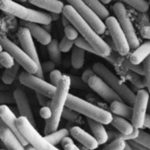
                                   Akkermansia muciniphila AH39

Deposit Number: GDMCC No. 65707, isolated from Healthy human gut

Patent Number: ZL 201811452576.6

Human clinical: IRCT20230522058257N1

Akkermansia muciniphila AH39 alleviates obesity and diabetes by interacting with multiple intestinal organs.

In an 8-week randomized double-blind clinical trial, a total of 66 overweight and obese patients were randomly assigned to three groups. The group receiving 10⁹ CFU of AKK AH39 daily showed a reduction of 4.27 cm in waist circumference compared to the control group (P = 0.003). Significant decreases were also observed in waist-to-hip ratio (P = 0.004), body fat percentage (P = 0.032), aspartate aminotransferase levels (P = 0.045), and appetite scores (P = 0.047).

(A) The characteristics of obesity and T2D and a short-term safety evaluation of Akk in humans with obesity. Individuals with obesity and diabetes have increased Firmicutes and decreased Akk, accompanied by chronic low-grade inflammation, IR, and elevation of BMI and BW. Two clinical randomized, double-blind, placebo-controlled proof-of-concept and feasibility studies in overweight and obese human volunteers uncovered that oral supplementation with alive or pasteurized 109 and 1010 Akk for three months was safe and well tolerated.

(B) The beneficial metabolic effects of Akk on different organs and/or tissues. Akk improves neurodegenerative impairment in the brain and ER stress and inflammation in muscle induced by HFD and/or LPS via the TLR-4 signaling pathway. Akk and its metabolites acetate and propionate regulate the lipid metabolism of the liver, adipose tissue, and organoids and display genotype differences. Alive Akk and EVs protect bone loss induced by Ovx via increasing bone mass, strengthening osteogenic activity, and inhibiting osteoclast formation, whereas pasteurized akk fails to do so.

(C) Akk and its components impact intestinal metabolism and health. Alive Akk, pasteurized Akk, and outer membrane protein Amuc_1100 activate TLR2/4 to facilitate the secretion of mucins and expression of TJ proteins to promote intestinal barrier function in obesity and T2D induced by WD, HFD, and HFHC. Furthermore, Akk also ameliorates intestinal barrier damage via inhibiting proinflammatory cytokines (including TNF-, IL-1, and IL-6) and endotoxin/LPS production.


















 沪公网安备31010402001403号

