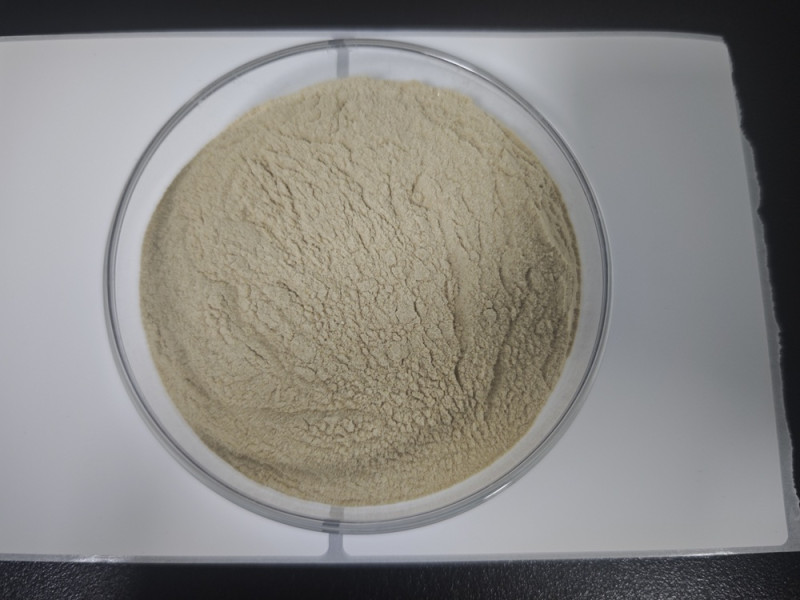
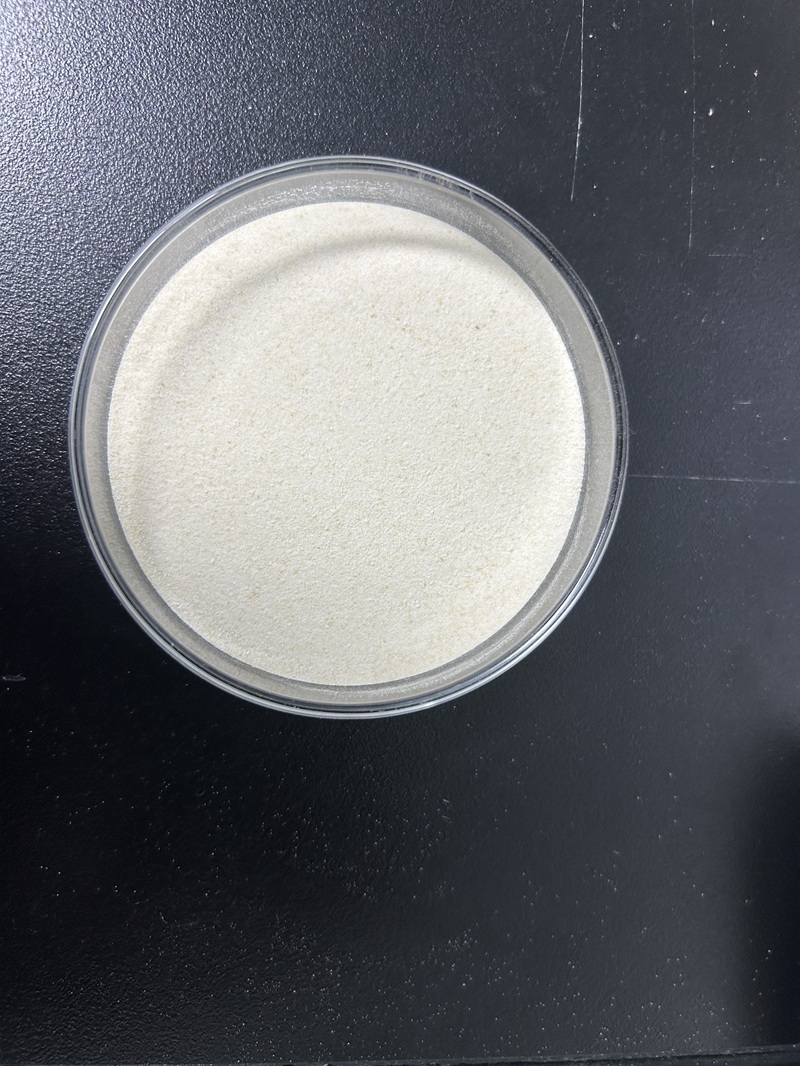
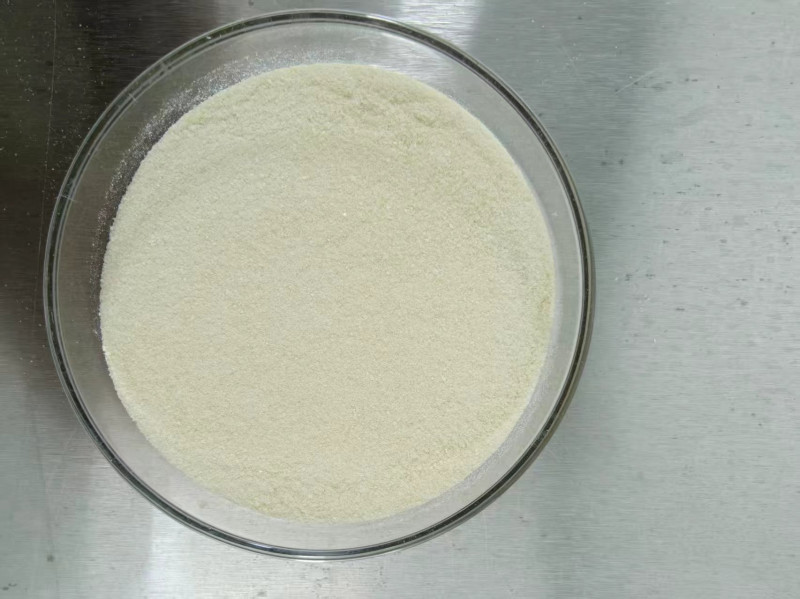
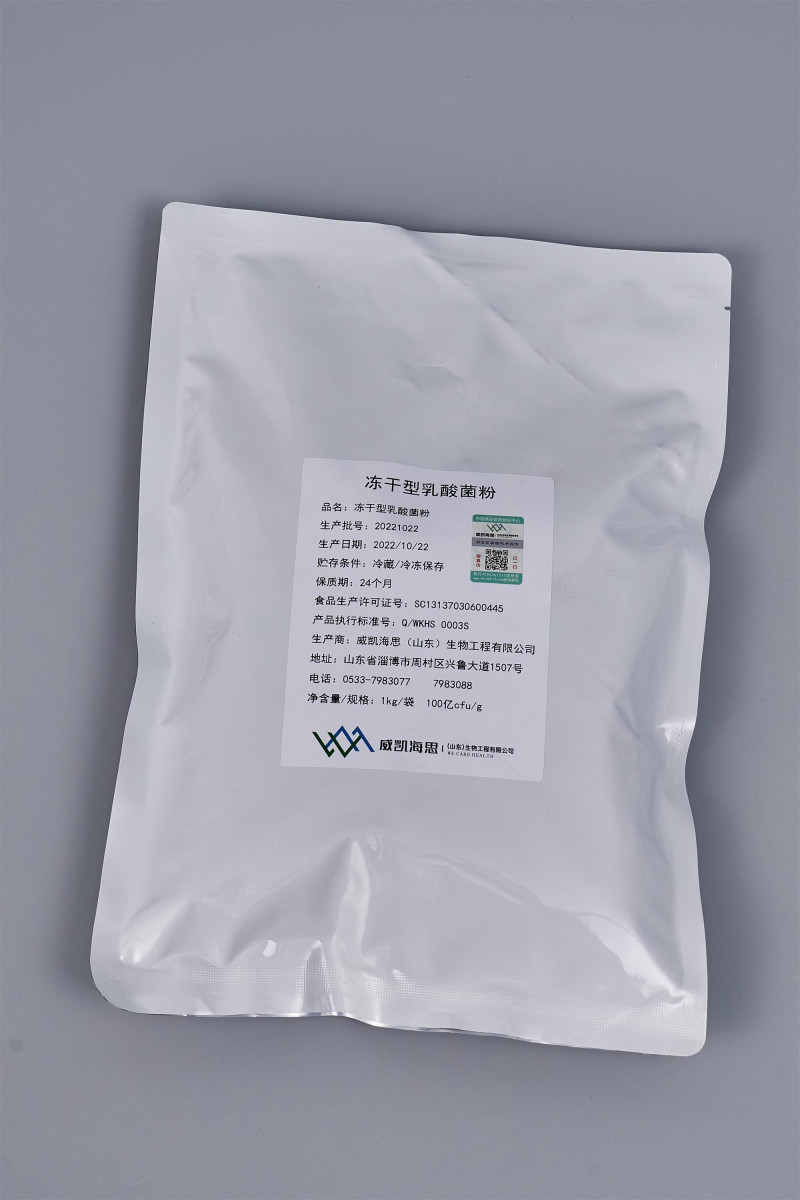
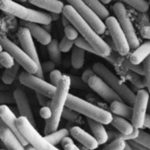
                                   Bacillus coagulans -39

Deposit Number: GDMCC No. 15032, isolated from soil

Human clinical: ET2023056

In this study, a compound probiotic preparation was developed by combining Bacillus coagulans-39 with fructooligosaccharides (FOS), galactooligosaccharides (GOS), and inulin. Bacillus coagulans GBI-30,6068 (BC30) was used as the control to evaluate its alleviating effects on constipation through animal experiments. Mice in the compound group were orally administered a saline suspension (containing B. coagulans-39 at 0.5×10⁹ CFU/mL, FOS at 0.8 g/kg body weight, GOS at 0.8 g/kg body weight, and inulin at 1.92 g/kg body weight) at a dose of 0.2 mL daily for 14 consecutive days. The results showed that B. coagulans-39 significantly improved the decrease in defecation frequency and fecal water content induced by loperamide, and its combination with FOS, GOS, and inulin exhibited more pronounced effects. Compared with other strains, oral administration of B. coagulans-39 significantly increased the number of fecal pellets and fecal weight in constipation model mice (p < 0.05). The time to first black stool defecation indicated that B. coagulans-39 accelerated intestinal motility (p < 0.05), and a consistent trend was observed in small intestinal transit rate, with the -39 group showing a significantly higher small intestinal transit rate than other groups (72.12%, p < 0.05). Further analysis of serum markers was conducted to assess the improvement of constipation by B. coagulans. In the loperamide model group, serum levels of motilin (MTL), gastrin (Gas), and substance P (SP) were significantly reduced, while somatostatin (SS), vasoactive intestinal peptide (VIP), and endothelin-1 (ET-1) levels were significantly elevated. Intervention with both B. coagulans-39 and GBI-30,6068 demonstrated positive regulatory effects on these serum markers, with the -39 strain exhibiting superior regulatory efficacy compared to other tested strains.


Additionally, in a clinical trial conducted by Yancheng Tinghu District People’s Hospital, 79 patients with functional constipation were recruited and randomly divided into two groups. After daily consumption of 5×10⁹ CFU B. coagulans-39 for two weeks, 84.2% of the participants showed an increase in defecation frequency, and 94.7% experienced improvement in stool consistency.


















 沪公网安备31010402001403号

