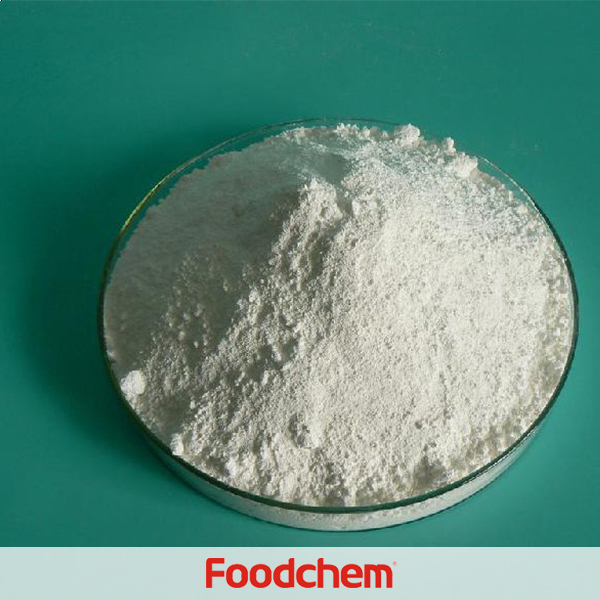
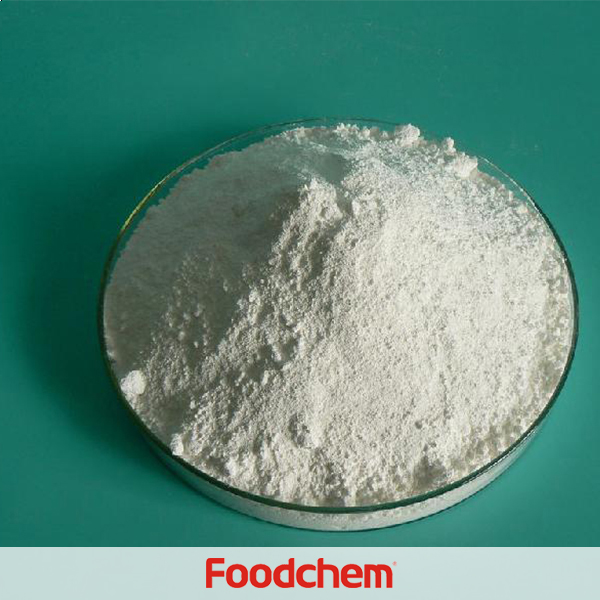
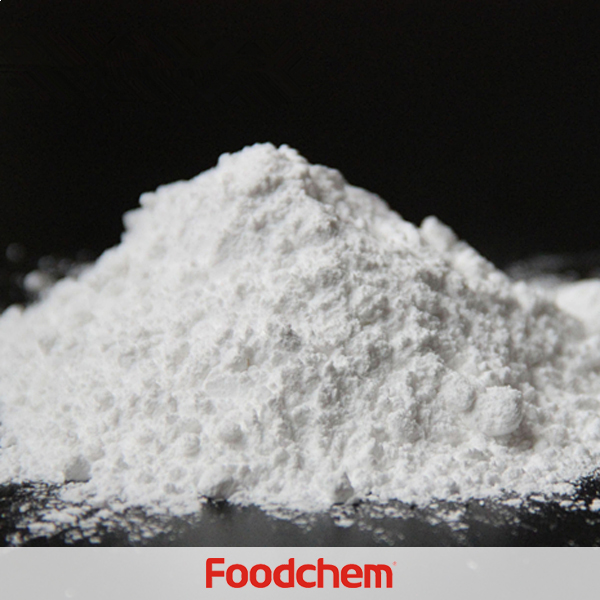
Sulfamic acid, also known as amidosulfonic acid, amidosulfuric acid, aminosulfonic acid, and sulfamidic acid, is a molecular compound with the formula H3NSO3. This colorless, water-soluble compound finds many applications. Sulfamic acid melts at 205 °C before decomposing at higher temperatures to H2O, SO3, SO2, and N2. Sulfamic acid (H3NSO3) may be considered an intermediate compound between sulfuric acid (H2SO4), and sulfamide (H4N2SO2), effectively - though see below - replacing an -OH group with an -NH2 group at each step. This pattern can extend no further in either direction without breaking down the -SO2 group. Sulfamates are derivatives of sulfamic acid. Sulfamic acid is mainly a precursor to sweet-tasting compounds. Reaction with cyclohexylamine followed by addition of NaOH gives C6H11NHSO3Na, sodium cyclamate. Related compounds are also sweeteners, see acesulfame potassium. Sulfamates have been used in the design of many types of therapeutic agents such as antibiotics, nucleoside/nucleotide human immunodeficiency virus (HIV) reverse transcriptase inhibitors, HIV protease inhibitors (PIs), anti-cancer drugs (steroid sulfatase and carbonic anhydrase inhibitors), anti-epileptic drugs, and weight loss drugs. Cleaning agent Sulfamic acid is used as an acidic cleaning agent, sometimes pure or as a component of proprietary mixtures, typically for metals and ceramics. It is frequently used for removing rust and limescale, replacing the more volatile and irritating hydrochloric acid, which is however cheaper. It is often a component of household descaling agents, for example, Lime-A-Way Thick Gel contains up to 8% sulfamic acid and pH 2 - 2.2, or detergents used for removal of limescale. When compared to most of the common strong mineral acids, sulfamic acid has desirable water descaling properties, low volatility, low toxicity. It forms water-soluble salts of calcium and ferric iron. Importantly, sulfamic acid is preferable to use in household in comparison to hydrochloric acid for its intrinsic safety. If erroneously mixed with hypochlorite based products such as bleach, it does not form chlorine gas, where the most common acids would; the reaction (neutralization) with NH3, produces a salt as depicted in the section above. Its also finds applications in the industrial cleaning of dairy and brew-house equipment. Although it is considered less corrosive than hydrochloric acid, corrosion inhibitors are often added to commercial cleansers of which it is a component. Some of its domestic use, e.g. Easy-Off, for descaling include home coffee and espresso equipment and in denture cleaners. Other uses Catalyst for esterification process Dye and pigment manufacturing Herbicide Coagulator for urea-formaldehyde resins Ingredient in fire extinguishing media. Sulfamic acid is the main raw material for ammonium sulfamate which is a widely used herbicide and fire retardant material for household product. Pulp and paper industry as a chloride stabilizer Synthesis of NO by reaction with nitric acid The deprotonated form (sulfamate) is a common counterion for nickel(II) in electroplating.



















 沪公网安备31010402001403号

