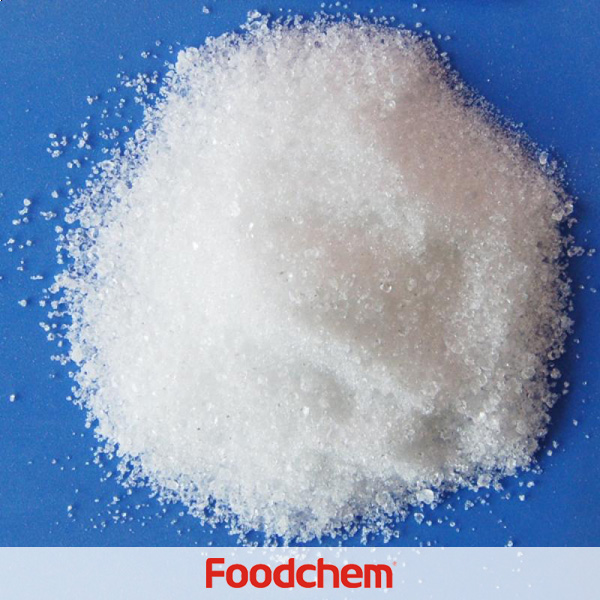
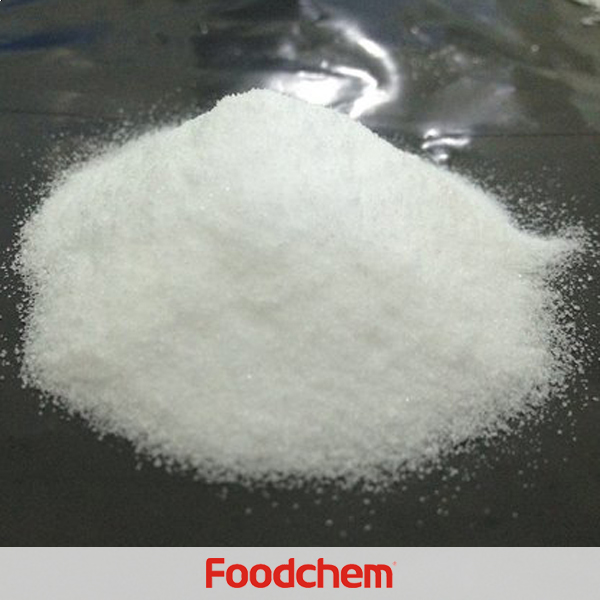
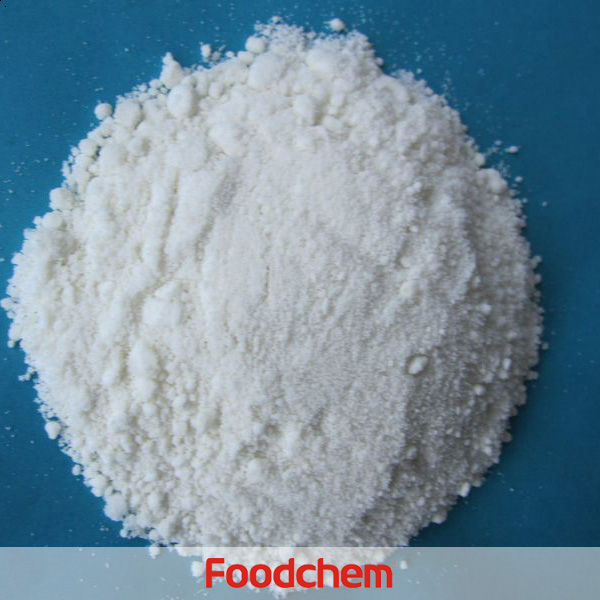
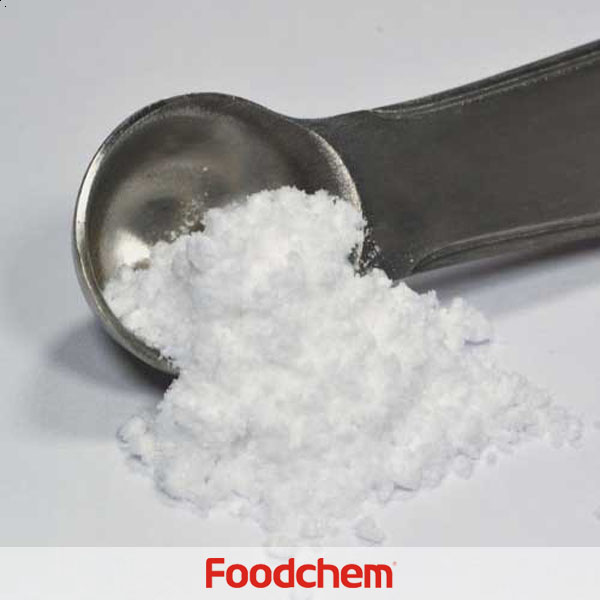
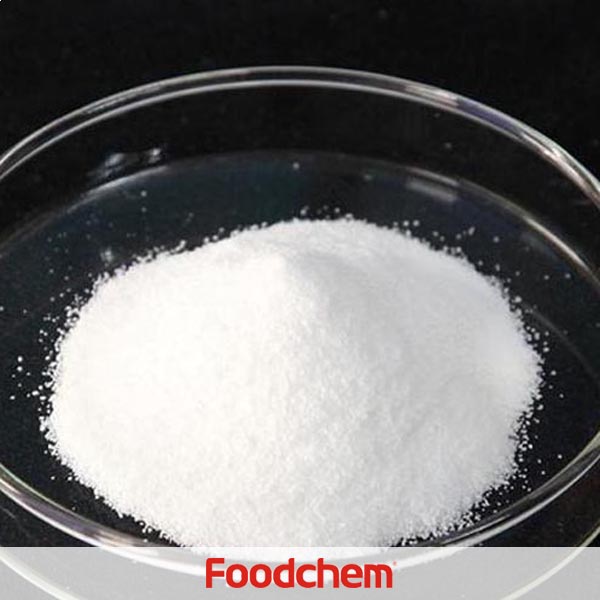
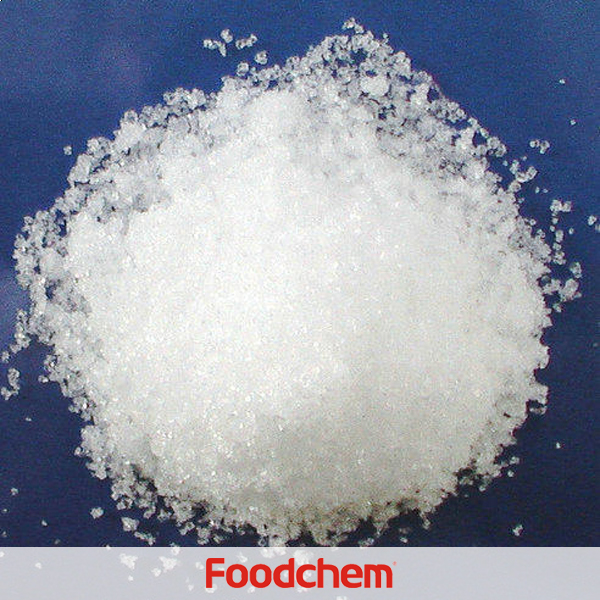
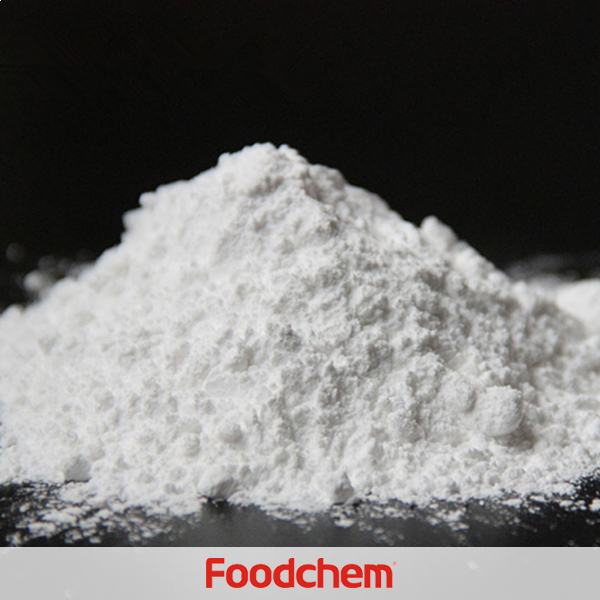
                                   Succinic acid (/səkˈsɪnɨk/; IUPAC systematic name: butanedioicacid; historically known as spirit of amber) is a diprotic, dicarboxylic acidwith chemical formula C4H6O4 and structural formula HOOC-(CH2)2-COOH. It is awhite, odorless solid. Succinate plays a role in the citric acid cycle, anenergy-yielding process. The name derives from Latin succinum, meaning amber,from which the acid may be obtained.


Succinic acid is a precursor to some specialized polyesters. It is alsoa component of some alkyd resins.


Succinic acid isused in the food and beverage industry, primarily as an acidity regulator. Globalproduction is estimated at 16,000 to 30,000 tonnes a year, with an annualgrowth rate of 10%. The growth can be attributed to advances in industrialbiotechnology that seek to displace petroleum-based chemicals in industrialapplications. Companies such as BioAmber, Reverdia, Myriant, BASF and Purac areprogressing from demonstration scale production of bio-based succinic acid toviable commercialization.

It is also sold asa food additive and dietary supplement, and is generally recognized as safe forthose uses by the U.S. Food and Drug Administration. As an excipient inpharmaceutical products it is used to control acidity and, more rarely, ineffervescent tablets.


















 沪公网安备31010402001403号

