






| Certificates/Standards: | N; |
| Monthly Output: | Not provided |
| Regional: | Not provided |
| Packaging Information: | Not provided |
| Mode Of Payment: | Not provided |
| Delivery Lead Time: | Not provided |
| Main Sales Markets: | North America,Central/South America,Western Europe,Eastern Europe,Australasia,Asia,Middle East,Africa |
| Sample Provided: | No |
| Sample Policy: | Not provided |
| Minimum Quantity: | Not provided |
At a glance
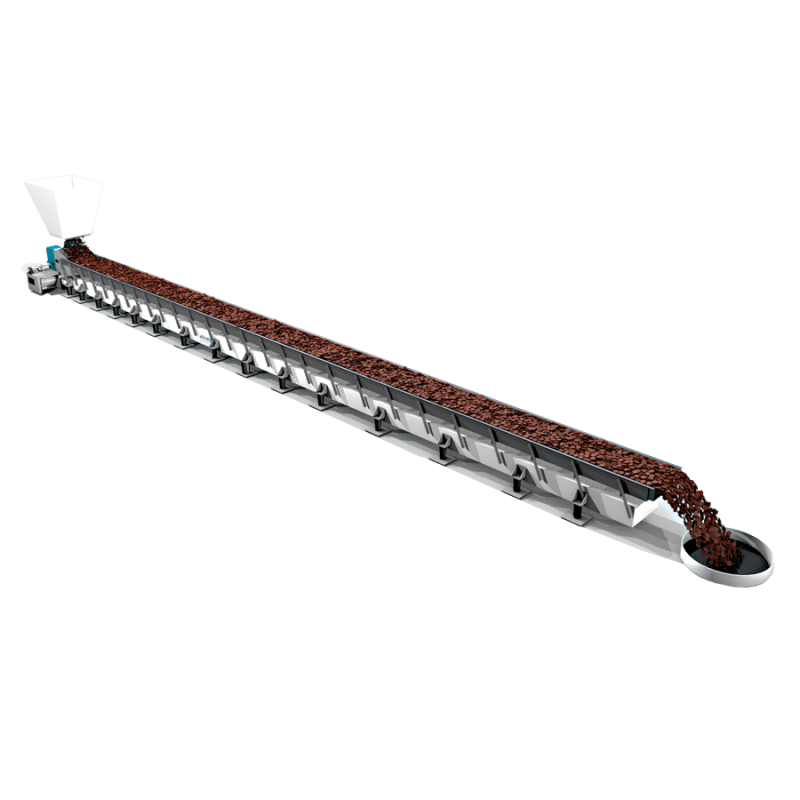
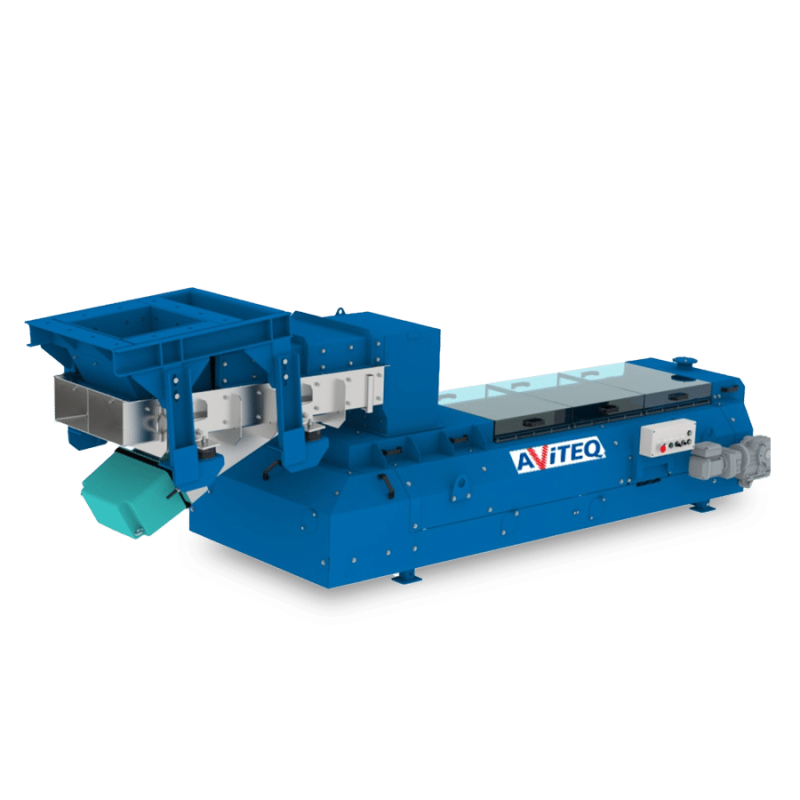
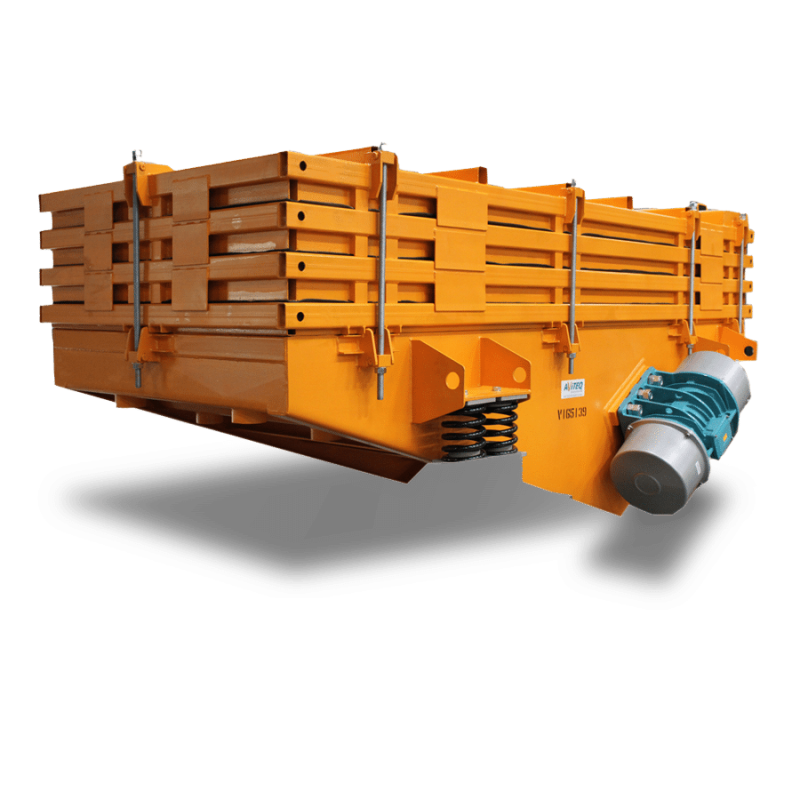
In industrial processes, sharp or hot waste materials are often transported using underground pit solutions. Metal shavings, foundry sand, stamping scrap or other waste materials often need to be transported over long distances before they can be processed. Disadvantages include high maintenance costs, time-consuming trench cleaning and frequent production interruptions. Our guide arm long channel conveyors solve these problems by transporting scrap safely, gently and compactly. In addition, we offer a completely dust-proof design. The advantages of flexible link long conveyors at a glance:
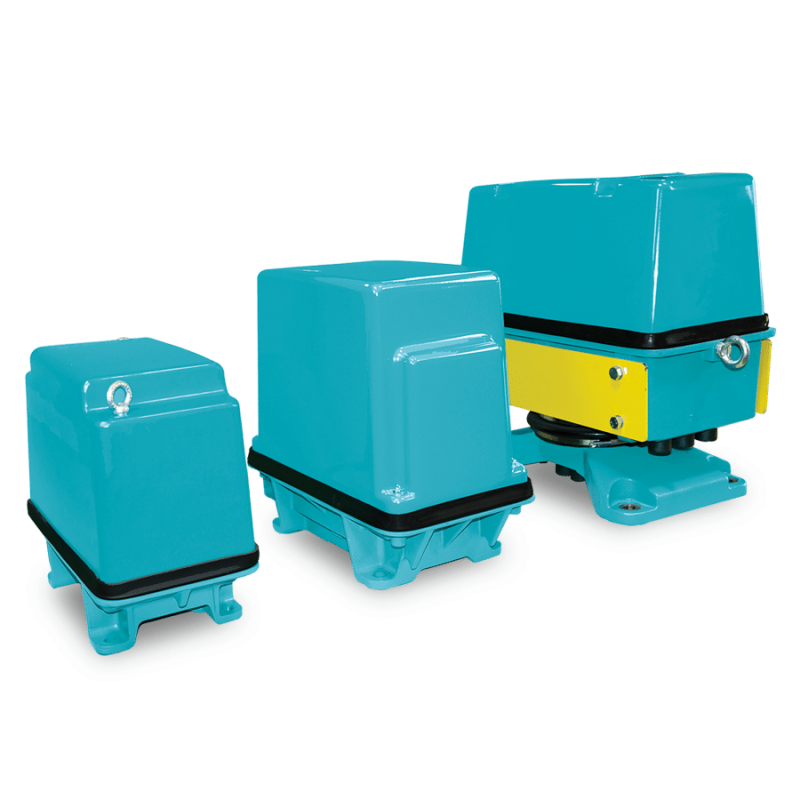
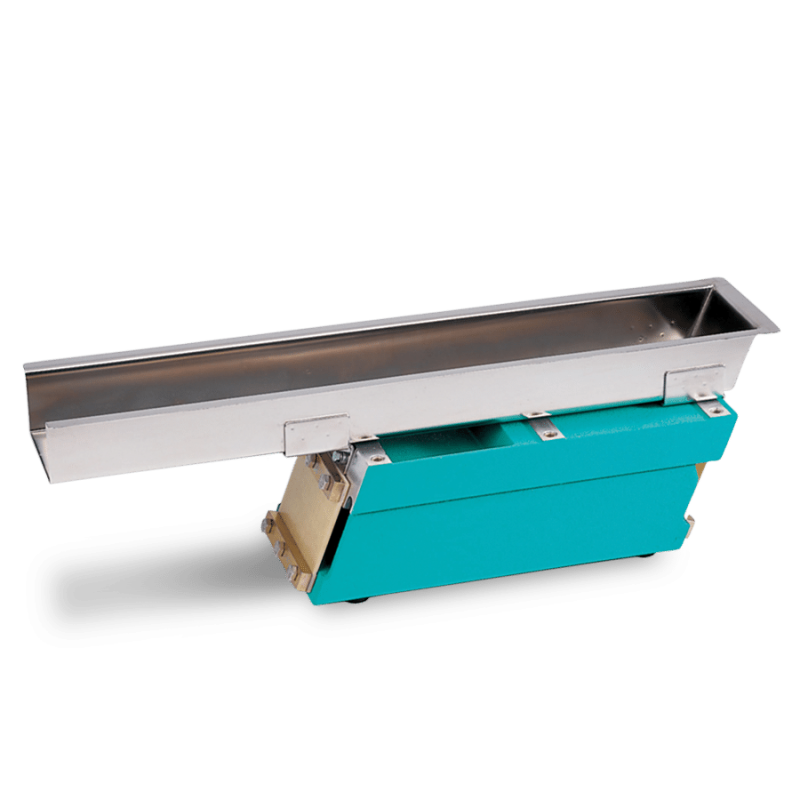
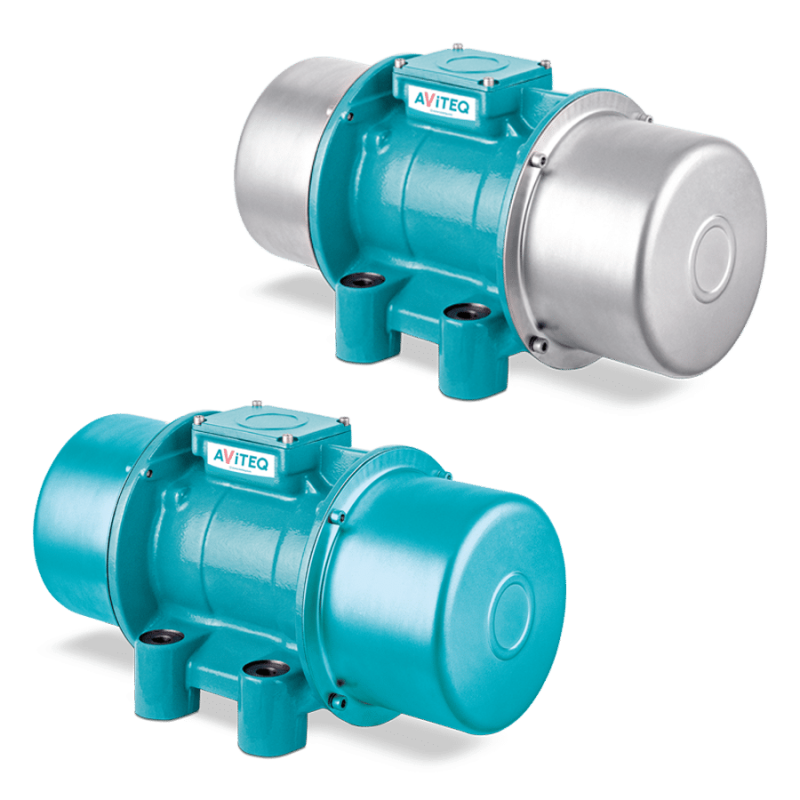
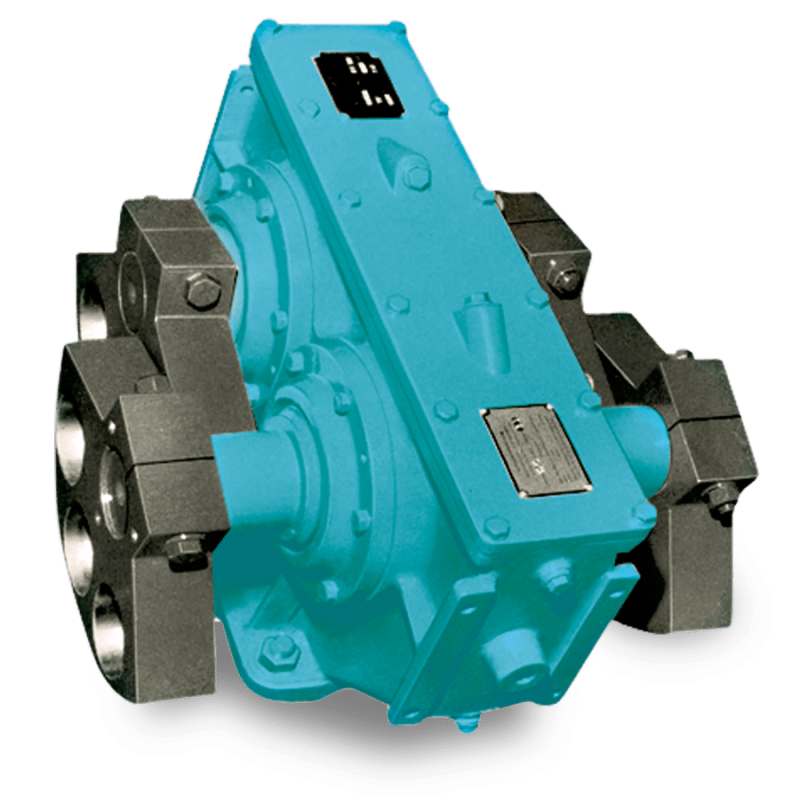
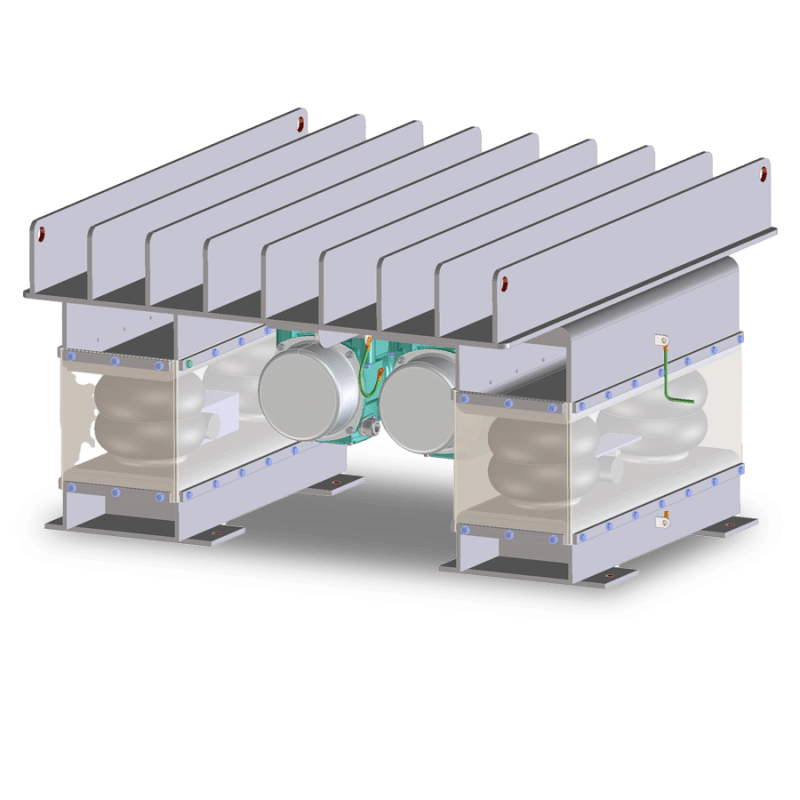
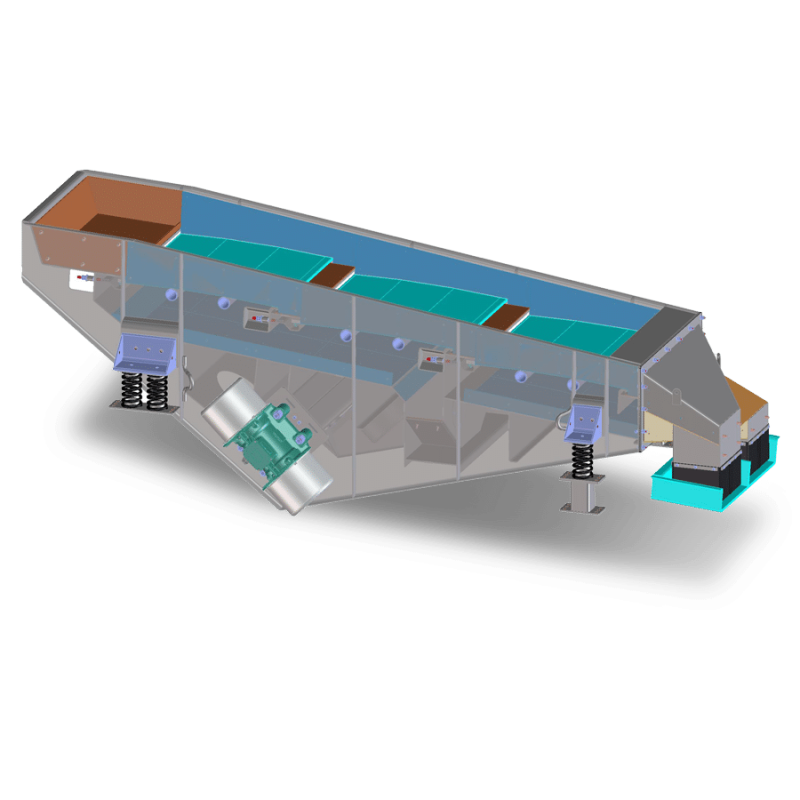
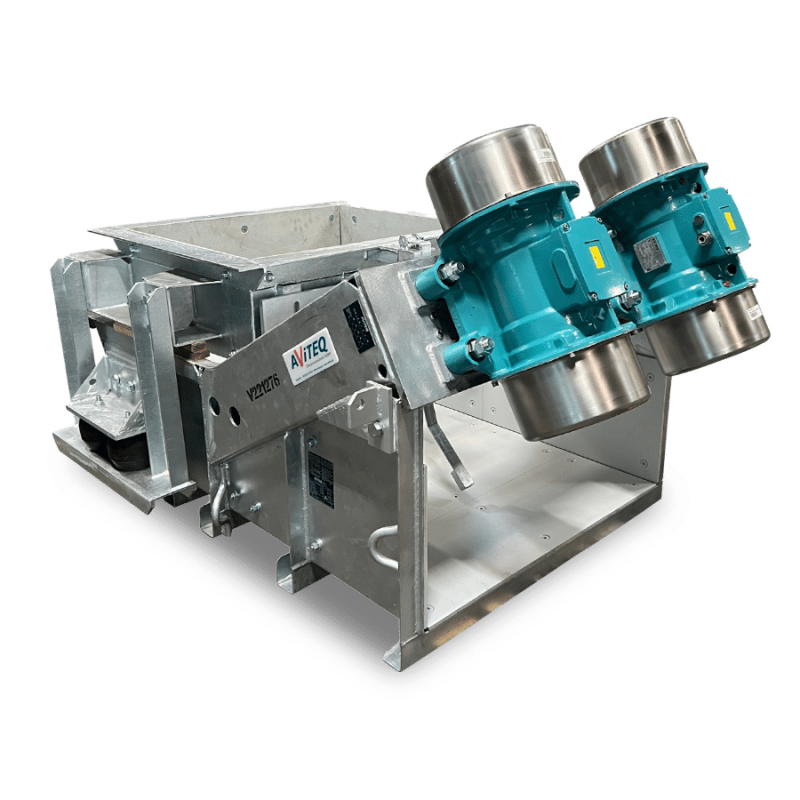
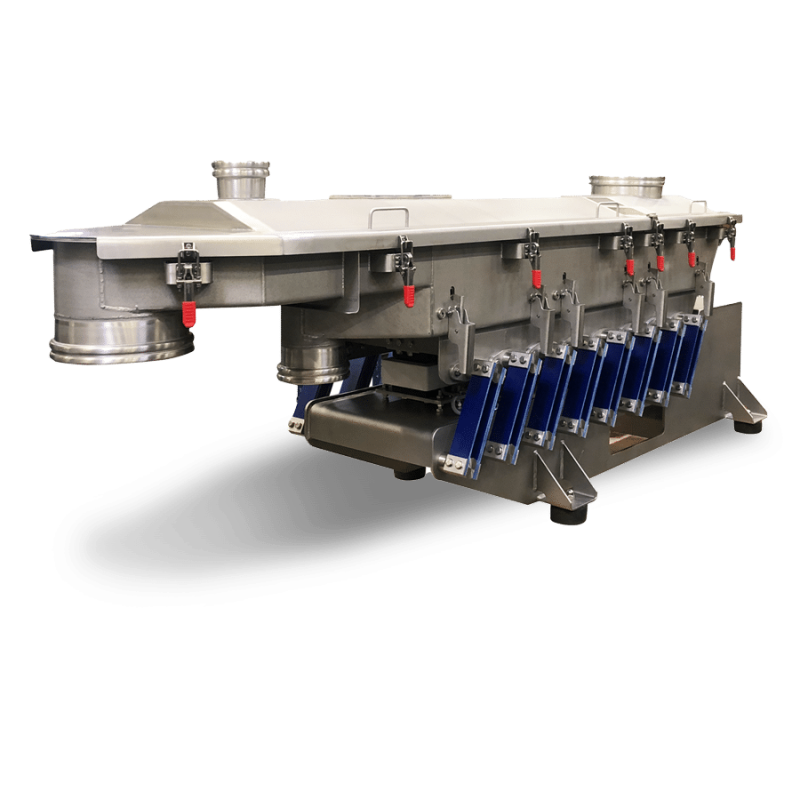
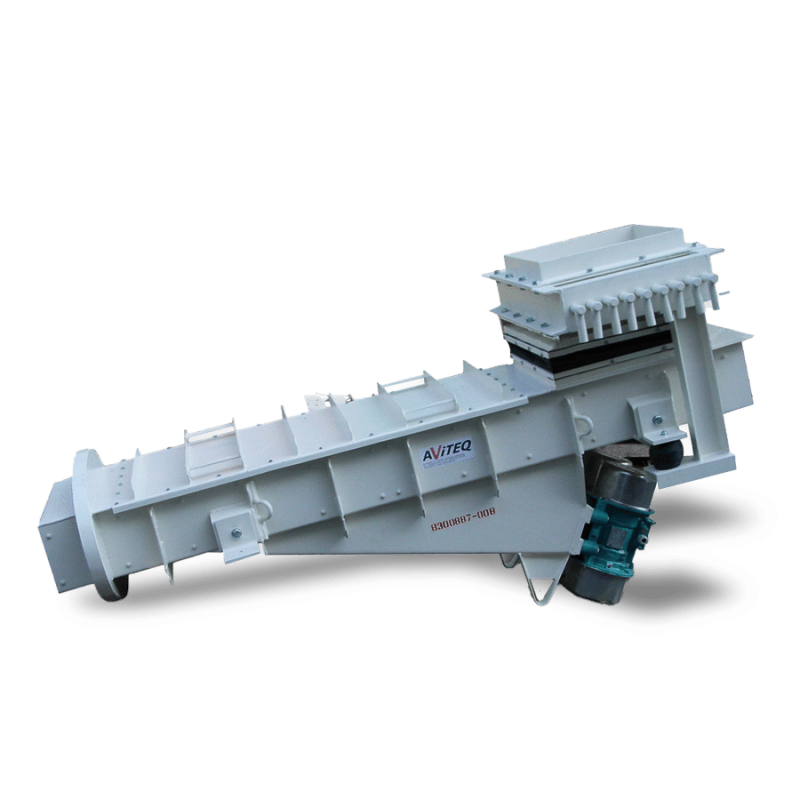
Ingenious solution: Due to the intelligent isolation of dynamic forces, guide arm long trough conveyors can be constructed in a very compact manner. The troughs in the conveyor system are connected by means of a pendulum arm to a reverse pendulum frame equipped with compression springs. This design ensures that up to 99% of the dynamic forces are isolated and that the frame and foundation take up very little space. Depending on the application, trough lengths of up to 22 meters are possible. The main components of the Guide Arm Long Trough Conveyor include:
Industrial production processes vary. That’s why we design our guide arm long trough conveyors with the goal of meeting your specific production needs. We start by analyzing the type of waste material, whether it is sharp metal shavings or high-temperature foundry sand. Depending on the material to be conveyed, we use different conveyor body materials. The external dimensions of the conveying solution depend primarily on the volume of material to be conveyed and the spatial conditions, i.e. the conveying distance. We can realize conveying distances of up to 22 meters and conveying capacities of up to 180 cubic meters per hour. The sizing of the equipment depends on: