






| Certificates/Standards: | N; |
| Monthly Output: | Not provided |
| Regional: | Not provided |
| Packaging Information: | Not provided |
| Mode Of Payment: | Not provided |
| Delivery Lead Time: | Not provided |
| Main Sales Markets: | North America,Central/South America,Western Europe,Eastern Europe,Australasia,Asia,Middle East,Africa |
| Sample Provided: | No |
| Sample Policy: | Not provided |
| Minimum Quantity: | Not provided |
At a glance
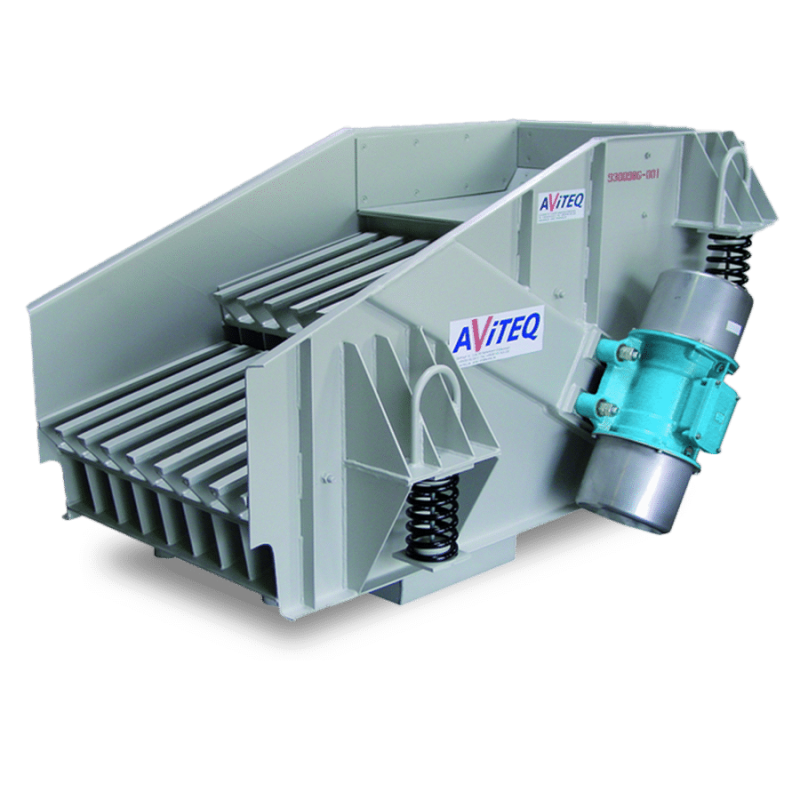
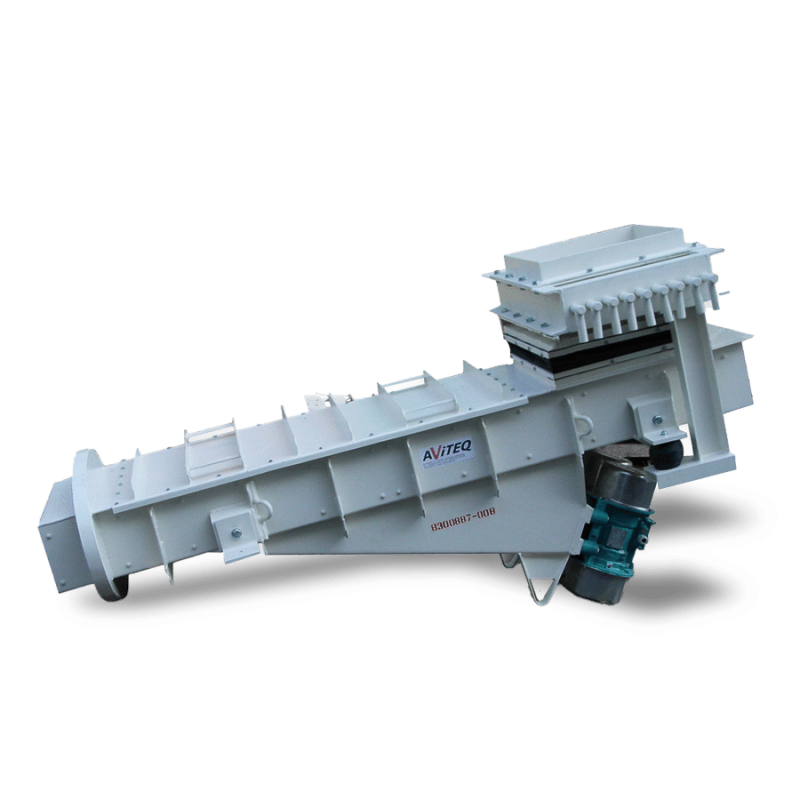
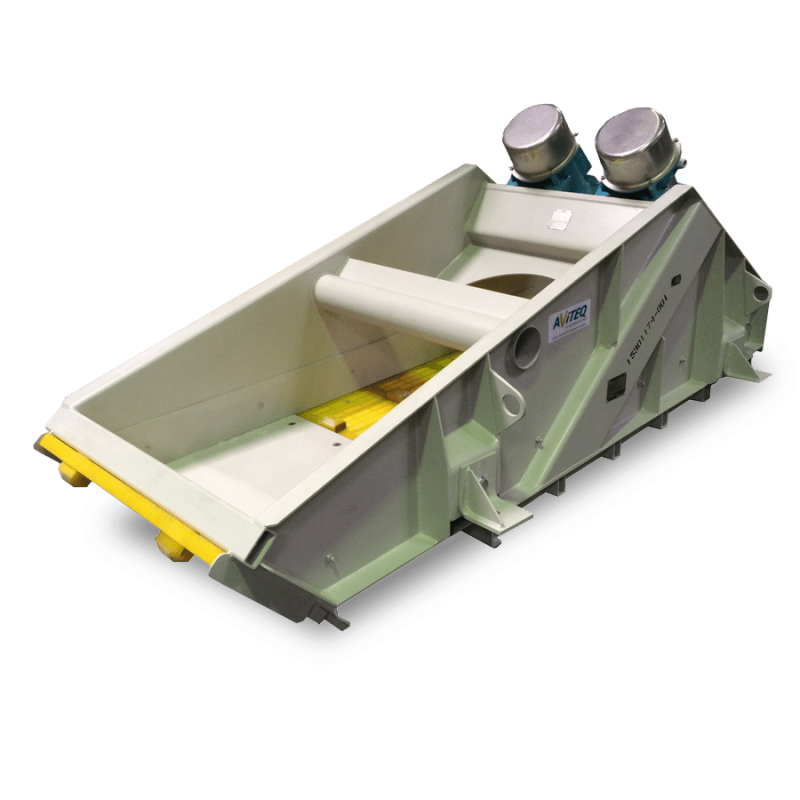
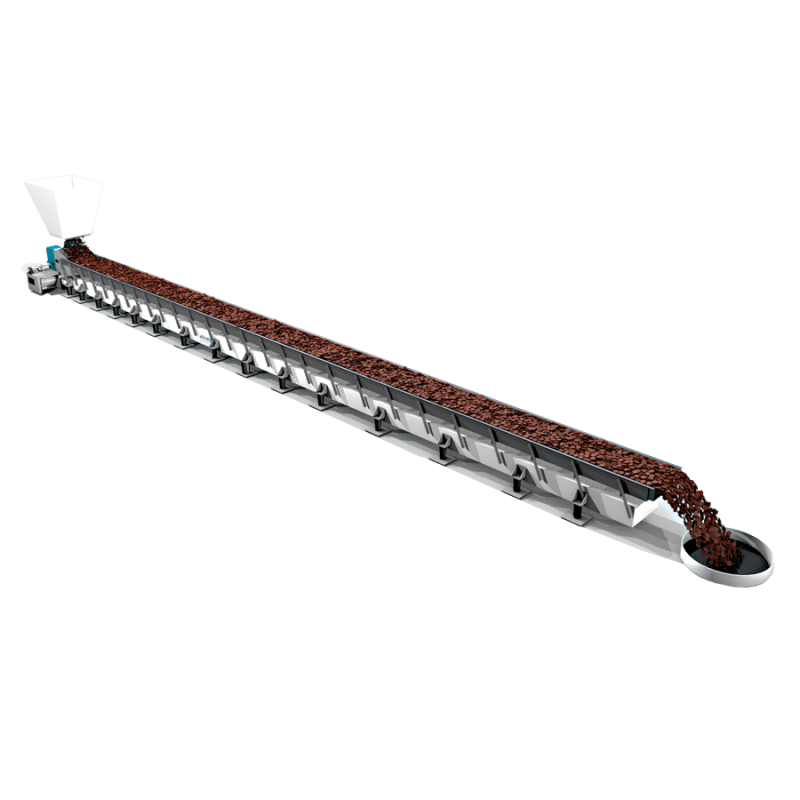
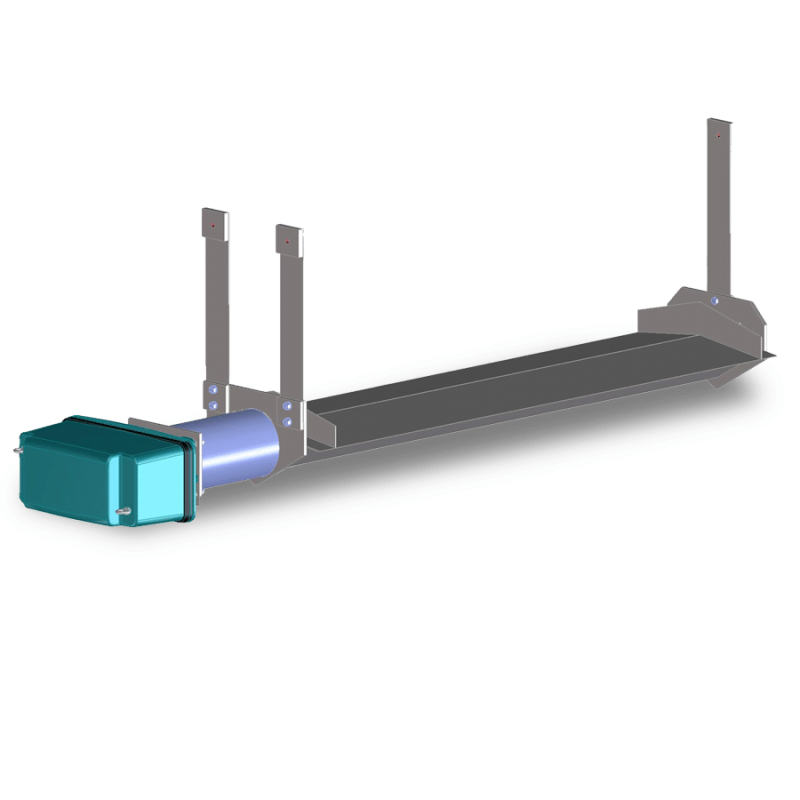
Wide range of applications: The bar screen fulfills several tasks at the interface between the silo and downstream processing systems. It enables the controlled discharge of bulk material and at the same time pre-screens large grain sizes. The coarse material is then fed to the crusher, screener or conveyor belt.
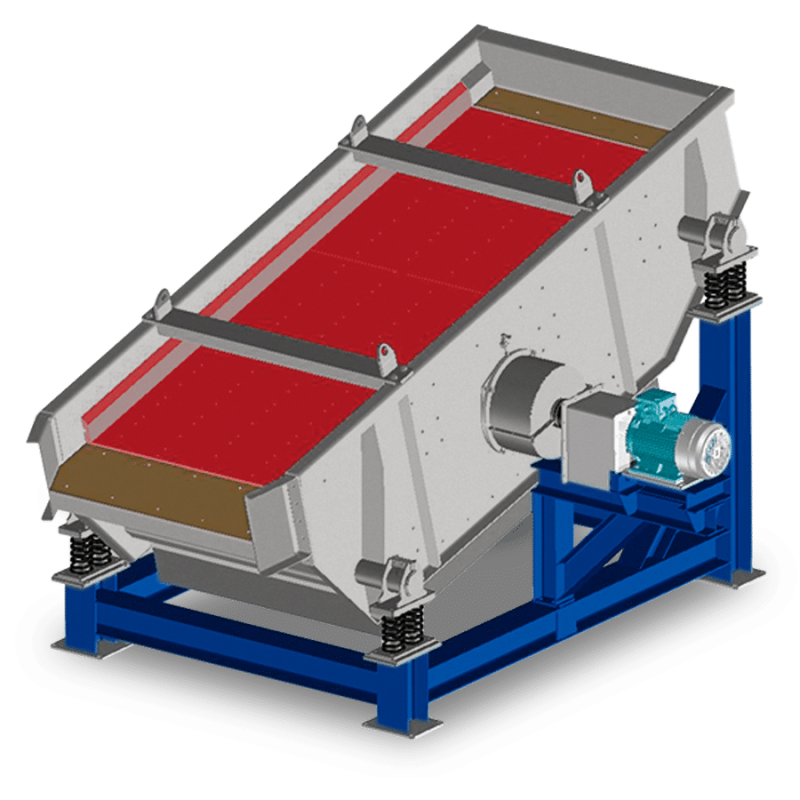
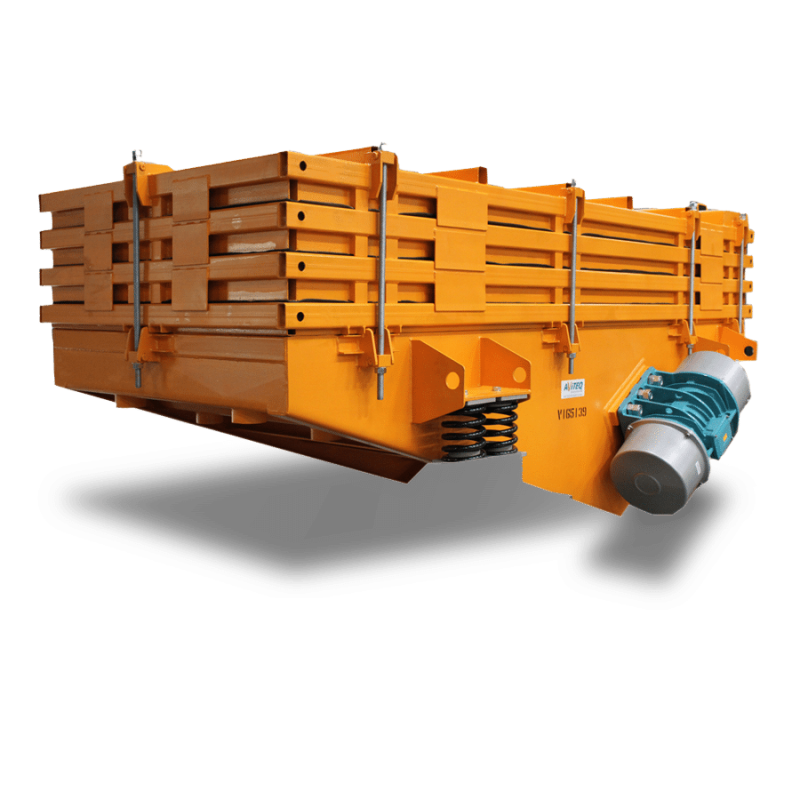
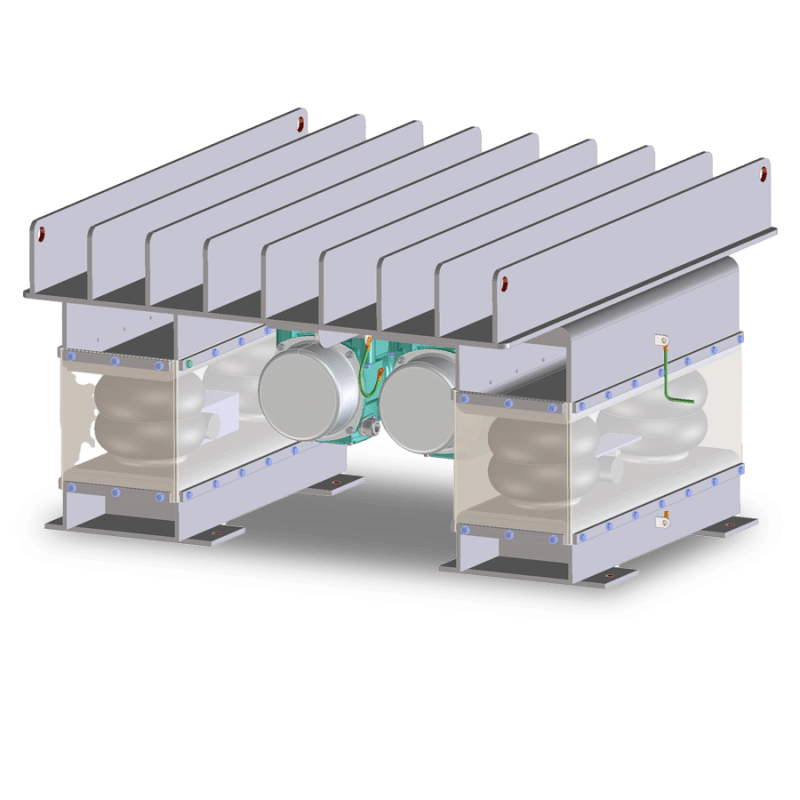
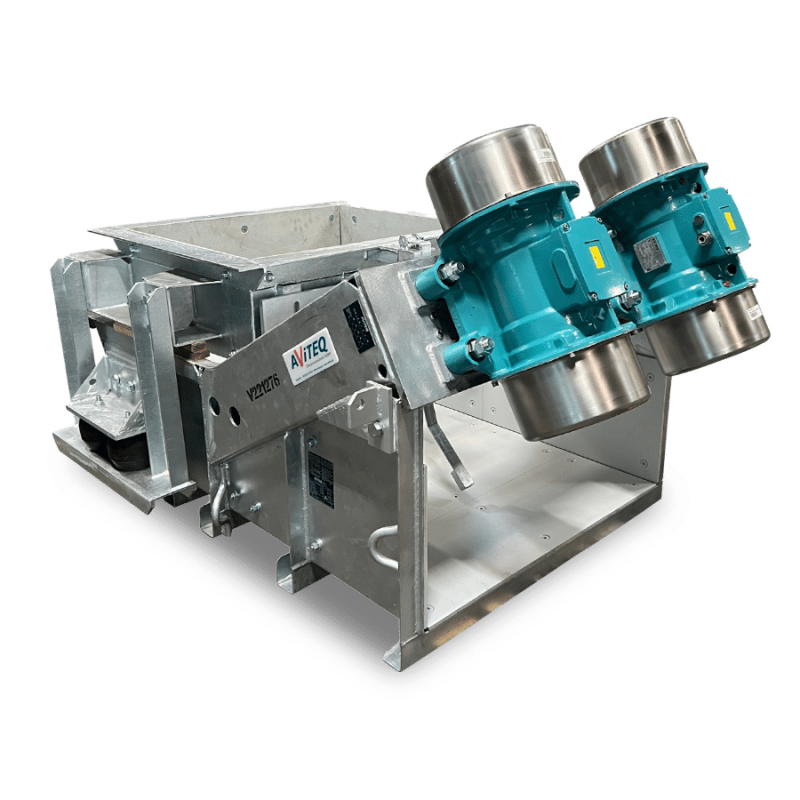
The AViTEQ bar screen is designed for demanding conveying, screening and feeding tasks with heavy coarse grain. The design of the system therefore meets the highest requirements in terms of resistance, robustness and durability. Sturdy wear plates in the inlet area ensure mechanical protection of the bar screen, while elastic support elements reliably absorb the forces acting on them. Up to three bar screen stages with a tapered bar profile ensure efficient and reliable conveying. The bar screen has a wide range of applications:
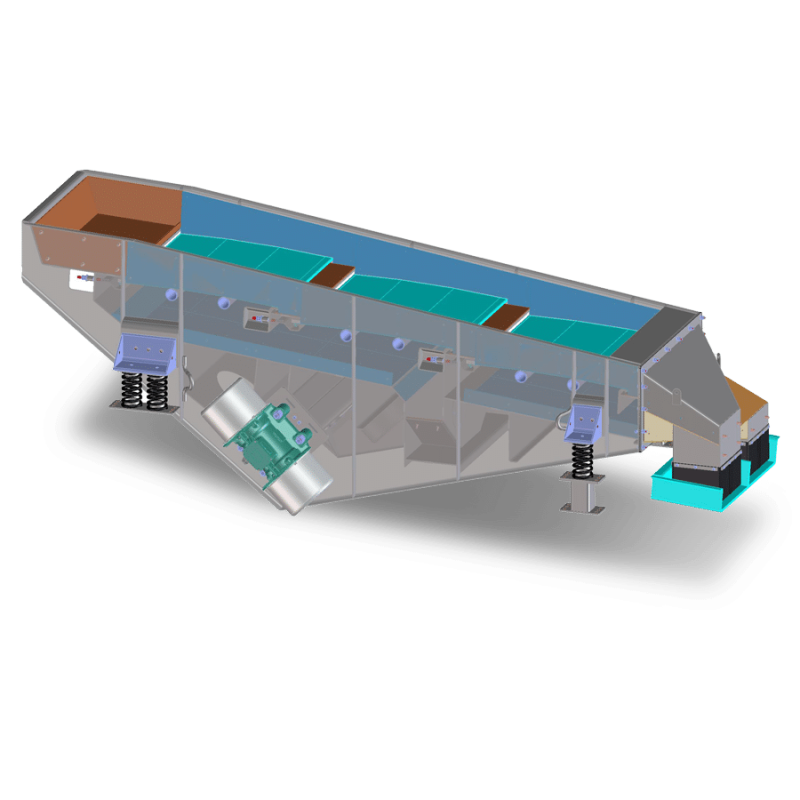
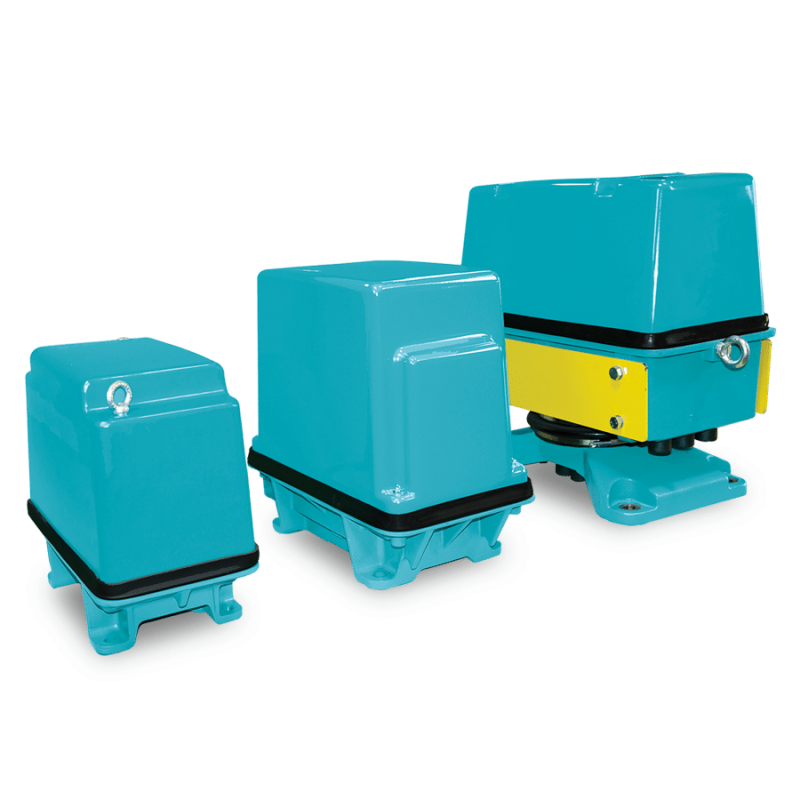
The robust design of the AViTEQ bar screens is aimed at durability and low wear. The coarse-grained bulk material falls onto sturdy wear plates in the inlet area and is guided from there over either two or three bar grate stages. Depending on the desired screening effect, the rows of bars integrated in the grate can have variable spacing and ensure separation of fine and coarse particles. While the fine material falls through between the bars, the coarse material is conveyed further above the bars, for example to the crusher or classifying screen. The main components at a glance:
The design and dimensioning of the AViTEQ GRIZZLY bar screen is tailored to your individual requirements. In addition to the type and size of the material to be conveyed, the throughput volume to be conveyed is also decisive – this can be up to 1,500 m³/h. The design and arrangement of the bar rack depends on the desired separation size. In addition, the space available at the installation site is also taken into account in the individual design of the bar screen.
Here is an overview of the most important parameters for dimensioning: