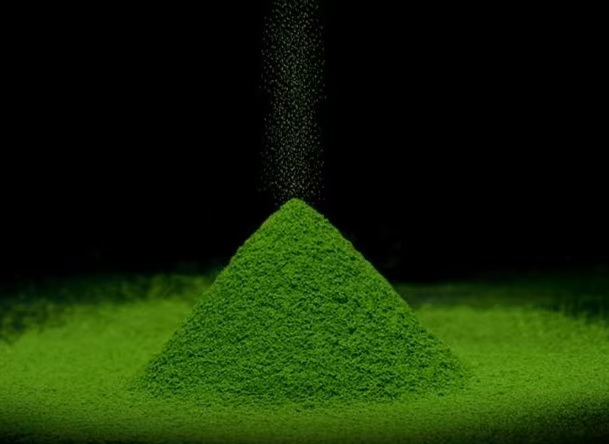
                                   Matcha originated in China, flourished during the Tang Dynasty (618-907 AD),

and reached its peak during the Song Dynasty (960-1279 AD). It has a history of over

1700 years. In the second year of the Shaoxi era of the Southern Song Dynasty (1191

AD), the Japanese monk Eisai Zen master introduced the making and consumption of

matcha to Japan.

    Throughout history and across borders, matcha has occupied a significant

position in Chinese tea culture. From ancient times to the present, matcha represents

a fashionable and healthy dietary habit. In recent years, a variety of matcha foods

and beverages have emerged, gradually forming a tea-eating culture that is highly

sought after by food enthusiasts, especially becoming a fashionable favorite among

the younger generation. Eastern healthy eating style will become a new trendsetter.

             BENEFITS OF MATCHA

◎ Boosts metabolism, suppresses obesity, and lowers blood

lipids

◎ Rich in EGCG: has antibacterial, antiviral, antioxidant

properties, and softens blood vessels

◎ Rich in dietary fiber, accelerates intestinal peristalsis and

promotes bowel movements

◎ Theanine can enhance attention, memory, and brain

function

* Contains 30%~35% dietary fiber per 100 grams *

* Contains 3%~5% EGCG per 100 grams *


















 沪公网安备31010402001403号

