                                     Belt scales Bridge Real calibration device using the game's first international friction material superimposed calibration technology to solve the difficult years of belt scale in-kind calibration problems of the world, may be on an existing belt conveyor belt scale at low cost online auto Material calibration.

    Electronic belt scale in a wide range of applications at the same time, its calibration methods are difficult to meet the increasing use of requirements. Based on the belt scale weighing principle is the material in the belt, the weight of the material through the belt to the scale frame to get the weight of the material, due to belt tension, belt hardness and other factors, resulting in belt material weight can not be truly passed to the scale frame.

The belt weigher installed on the belt conveyor is not the same because of the length, width, speed, transportation volume, installation position, vibration and operating conditions of each belt conveyor. The tension of each belt, Degree and other factors are not the same. These factors can not be calculated, only through the material calibration to compensate, that is installed on each belt scale must be installed on the piece of belt conveyor for personalized material calibration compensation in order to get accurate measurement results.

    It is very difficult to calibrate the belt scale by using the material calibration method. It is often used to simulate the belt scale calibration compensation, such as hanging code, chain code, cycle chain code, and these analog calibration methods and belt Conveyor belt running all the materials covered with the belt tension, belt hardness and other factors to compensate for differences in the larger. Resulting in belt scale analog calibration, the weighing results are still with the actual weighing there is a big error. In addition, the belt conveyor in the course of mechanical properties (especially after a long run) changes, changes in the initial calibration lead to changes in measurement error, the belt scale long-term stability is not good.

    In order to solve the inconvenience of material calibration, it is not timely to cause belt scale measurement error, long-term stability of the problem, Saimo developed material stacking self-calibration technology. Material self-calibration technology, the use of on-site automatic reclaim, with less material by weighing, the belt conveyor in the normal delivery process (the entire belt covered with material), at any time on the belt scale calibration compensation, calibration High precision, to solve the scene is not easy to physical calibration, can not be timely calibration problems.

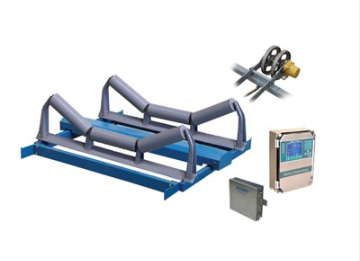
Bridge-kind calibration device consists of two sets of weighing scale aircraft (measurement scale aircraft and gross scale aircraft), a group called heavy hopper , a reclaimer / feeding device, a set of weighing instruments and electrical control systems composition.

How it works:

    the use of a small amount of material taken directly from the belt conveyor, feeding hopper scales after weighing in the belt normal course of their work on the transport of materials for material belt scale calibration.

①: belt machine full length on both the initial system debugging, after adjusting the parameters so that the two sets of belt scales show the same weight of the material

Weighing Scale Material Tare = Tare Scale Material Tare

② in the conveyor belt material in the process, the scraper reclaimer according to the weighing instrument set time to take the material, the material from the screw or belt conveyor into the weighing hopper.


TOTAL CUMULATIVE = (tare weight tally + hopper scale material weight) - belt scale material weight = hopper scale material weight

③ need to be calibrated when the weighing control weighing hopper open the door to open the material, then tare weighing the weight of the material is transported, measuring weighing scales weighing the weight of the material and weighing hopper down the standard weight of materials, weighing instruments The weight obtained by subtracting the weight of the tare weight from the weight of the weighing scale to obtain the weight of the standard material from the weighing hopper, the weight value of the standard material and the weight of the weight of the instrument itself shows the value of the correction factor, Press this correction factor to correct the weighing scale to complete the belt scale material calibration.

Characteristics of Three - Bridge Physical Verification Device of Belt
- Material stacking calibration, calibration accuracy is higher: Saimo bridge physical calibration device calibration state and the belt machine is almost the same working condition, belt tension on the belt scale of the impact of a comprehensive correction, belt scale material calibration of the high confidence, calibration Precision is better than 0.5%.
- Automatic calibration, does not affect the material handling: Saimo three bridge calibration equipment, physical calibration routine, no belt machine empty operation, the normal delivery process in the material, you can always take the material automatically calibrated, does not affect the normal operation of the transmission system.
- System accuracy automatic monitoring, to ensure the reliability of measurement performance: Saimo three bridge physical calibration device can be completed timing belt scale calibration, monitoring the accuracy of electronic belt scale, timely detection and completion of calibration to ensure the stability of the belt scale measurement performance And reliability.
- Low-cost material calibration device, easy to install on the existing conveyor: Saimo third bridge physical verification device than the general physical verification device less investment, small footprint and easier to implement. Not only to adapt to the belt corridor low-space belt conveyor site installation, also adapted to the exposed space belt conveyor site installation.
- Real-time comparison, each alternate, the system is more reliable measurement: two groups of real-time comparison scale, such as the second scale deviation is too large, the weighing instrument will automatically detect the two scales of the load cell output, such as a load cell output anomalies, The use of the load cell scale may be a problem, and give an alarm prompt. At this point the system automatically uses the normal load cell weighing scales as a measurement, thereby increasing the reliability of belt scale operation.
Saimo Bridge Real calibration device main components:
1, two groups of the belt weigh bridge, respectively tare scale frame and frame measurement scales, such as the site have a (suitable), only one new scale aircraft.
2, a weighing hopper and the standard weight, weighing hopper volume is usually 0.2% of the conveyor belt per hour, the standard weight for the hopper volume of the amount of weight.
3, a scraper reclaimer and screw conveyor (or belt conveyor) to determine the layout according to site conditions.
4, A Bridge totalizer
5, an electrical control system.




















 沪公网安备31010402001403号

