








| Certificates/Standards: | N; |
| Monthly Output: | Not provided |
| Regional: | Not provided |
| Packaging Information: | Not provided |
| Mode Of Payment: | Not provided |
| Delivery Lead Time: | Not provided |
| Main Sales Markets: | North America,Central/South America,Western Europe,Eastern Europe,Australasia,Asia,Middle East,Africa |
| Sample Provided: | No |
| Sample Policy: | Not provided |
| Minimum Quantity: | Not provided |
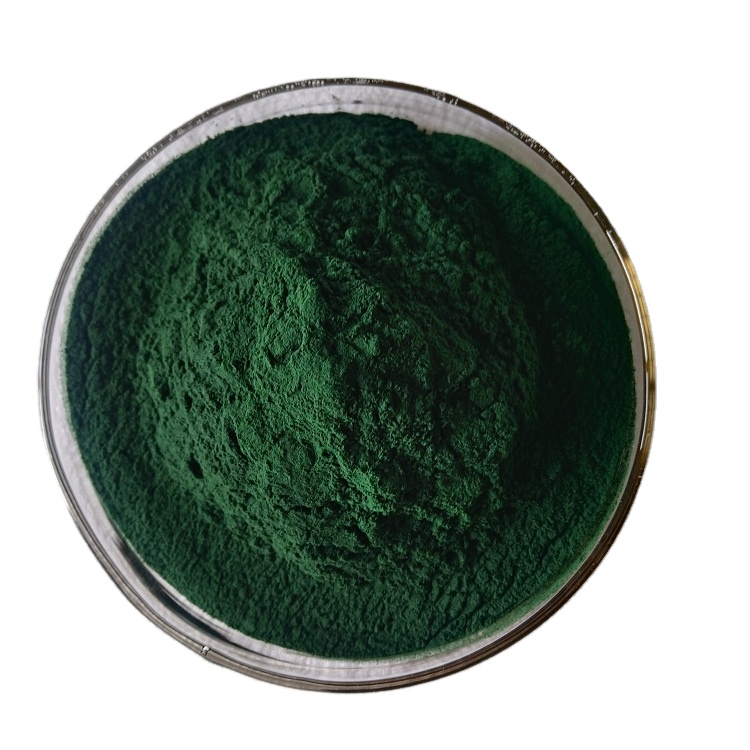
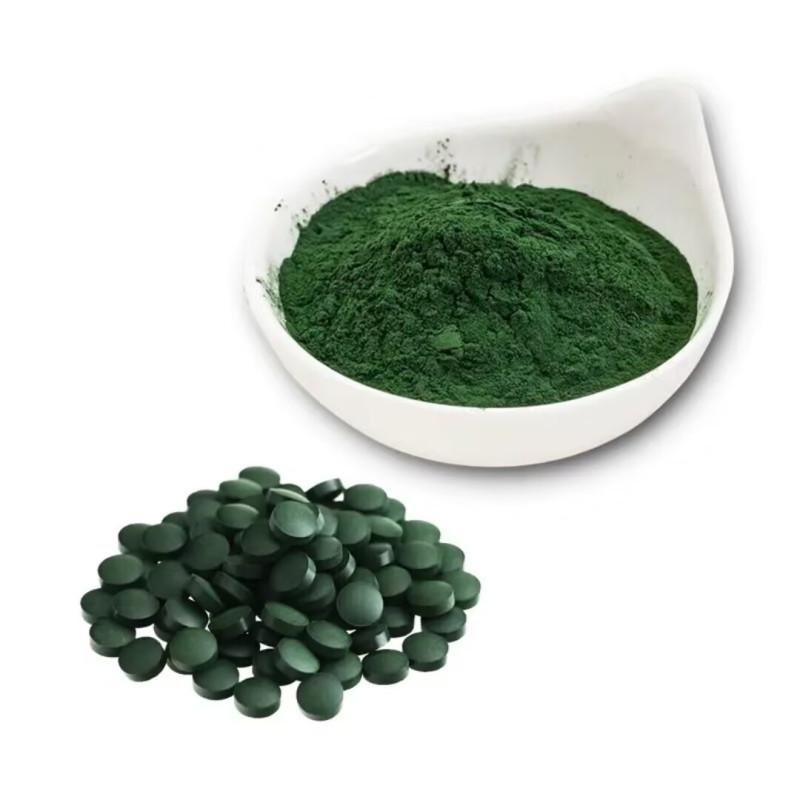
Spirulina powder is made from fresh spirulina through spray drying and screening disinfection. Its fineness is generally above 80 mesh. Pure spirulina powder has a dark green color and feels slippery to the touch. Spirulina that has not been screened or mixed with other substances will feel rough. The most commonly used spirulina in health food products is Spirulina platensis, while other types include Spirulina maxima and Spirulina subsalsa. Spirulina platensis generally contains more than 65% protein. Spirulina can be classified into feed grade, food grade, and special purpose grades based on its intended use. Feed grade spirulina powder is typically used in aquaculture and livestock farming, while food grade spirulina powder is used in health food products and added to other foods for human consumption. The main benefits of spirulina include: 1. Prevention and inhibition of "three highs" (hypertension, hyperlipidemia, hyperglycemia) 2. Therapeutic effects on chronic gastrointestinal diseases and stomach/duodenal ulcers 3. Laxative properties and treatment of hemorrhoids 4. Beauty and weight loss effects.