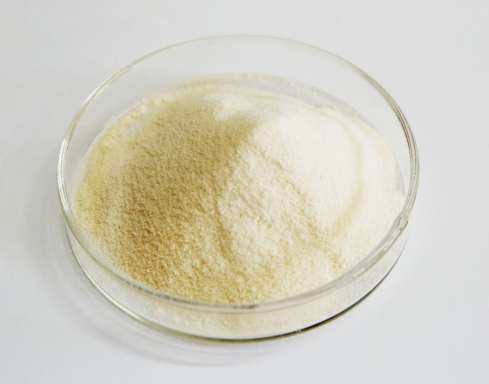
Sodium Hyaluronate serves as a multifunctional ingredient in the food industry, leveraging its unique water retention and biocompatibility to enable diverse applications. Its functionality varies by molecular weight: low molecular weight (≤10,000 Daltons) is absorbed through the intestines, enhancing skin hydration and joint health; high molecular weight (>1,000,000 Daltons) improves food texture via viscoelastic properties (e.g., stabilizing consistency in dairy products and sauces); its exceptional moisture-locking capacity also extends shelf life and enhances palatability (e.g., in jellies and gummies). Key application areas include:Health Supplements: Oral beauty serums and joint health capsules, marketed for "endogenous anti-aging" benefits.Daily-Consumed Foods: Functional beverages, moisturizing gummies, and meal replacement shakes, balancing health claims with consumer appeal.Specialized Food Products: Easy-to-swallow foods for the elderly (utilizing lubrication properties) and sports nutrition products (combining hydration and joint protection).Regulatory approvals include its classification as a new food ingredient in China (daily intake limit of ≤200 mg), while Japan and Korea incorporated it into food applications earlier. Future trends emphasize precise molecular weight customization (e.g., targeted absorption of oligomeric molecules) and composite formulations (e.g., synergistic effects with collagen and vitamins), aiming to expand its potential in anti-aging, sports nutrition, and aging population health food markets.



















 沪公网安备31010402001403号

