


 Buyer
Buyer Supplier

 Copy Link
 X
X Facebook
 Copy Link
Become a creator on the food processing and packaging platform!
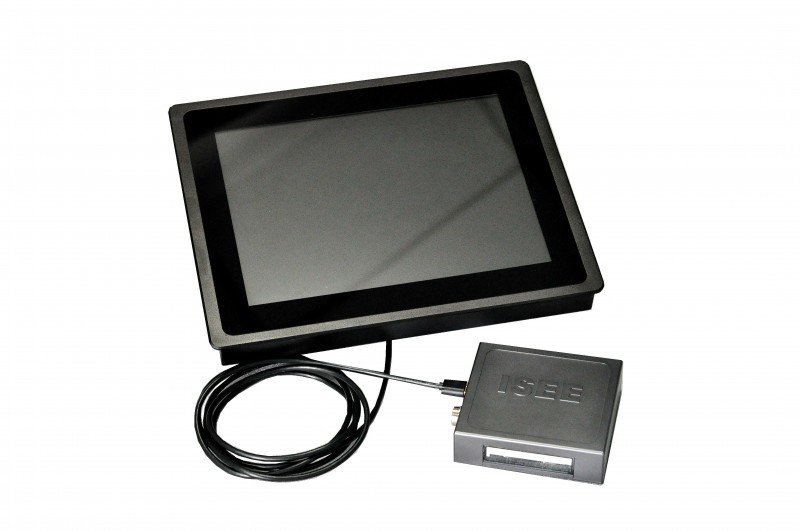


The eBottli technology employs RFID/NFC, QR Code and image recognition to track bottles from the vineyard to the point of sale using the winemaker’s information and feeding it into the application’s SaaS platform for easy tracking. As of June, eBottli was working with 12 clients in Australia and specializes in premium and luxury wine brands.
“[eBottli] uses multiple tracking and geolocating technologies, is ready to use, has its own secure app and is reliable and low-cost compared to others,” said Nathalie Taquet who founded eBottli.
The company provides analytical reliability of the analyses it produces with its labeling databanks. To avoid data manipulation, everything is traced with a digital ledger. Additionally, the application is cloud-based making the anti-counterfeit solution potentially available worldwide.
Although a comprehensive solution, eBottli is not the only anti-counterfeit technology available for vintners in the Australian wine industry.
The global wine industry is worth $350 billion, and ABC Australia reported that 20% of the wine circulating is counterfeit either through a false label, a refilled bottle or a copycat brand. Just in Australia, wine commentator, Jeremy Oliver told The Weekly Times in 2017 that he estimates nearly 50% of the wine sold for over $35 in China is fake. This booming black market business has prompted other companies such as Cellr and Barossa Winery to take measures aimed at certifying the authenticity of Australian exports.
Cellr, which received a $150,000 investment from Australia’s Advanced Manufacturing Growth Centre in March, developed a solution that can be embedded within a bottle lid. The solution uses Near Field Communication (NFD) and Radio Frequency Identification (RFID) to create a sort of birth certificate within the lid that consumers can then verify with their mobile phones.
Barossa Winery introduced microchip bottles last year that also use NFC technology to let purchasers scan bottles with their smartphones to determine the authenticity of the beverage.
Smart bottles seem to be the Australian wine industry’s approach to combat the fake wine market and secure its future. To be effective, these solutions need to be integrated into the bottling process and not just implemented on an ad hoc basis. If Australia can show that through these efforts it can curb the infiltration of counterfeits in the market, the world may take notice and begin to implement similar technologies.
Become a creator on the food processing and packaging platform!
 Submit Now










 (All Rights Reserved)
 沪公网安备31010402001403号
