


 Buyer
Buyer Supplier

 Copy Link
 X
X Facebook
 Copy Link

Become a creator on the food processing and packaging platform!


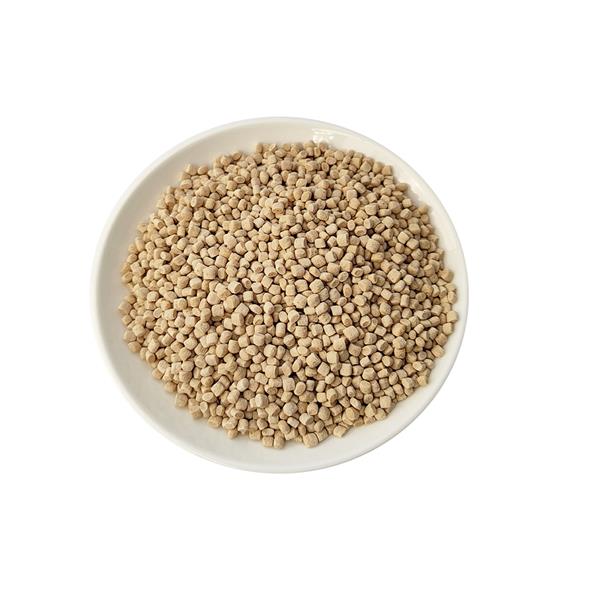
in July 2026, Louis Dreyfus (LDC) was officially put into production in Yorkton, Saskatchewan, Canada. pea protein isolate production facility, one of the largest pea processing facilities in North America. The new plant has an annual processing capacity of 75000 tons of yellow peas and is expected to employ about 60 people by the end of 2026. (Source: Processing Magazine, August 2026)
LDC has 175 years of agricultural trade history, and this launch is part of its strategy to extend to high value-added downstream products. (Source: FoodNavigator, August 2026)
in mid-July 2026, LDC displayed a variety of application products at IFT FIRST in Chicago, USA, such as mango peach-flavored protein bubble water, high-protein ready-to-drink GLP-1 lemon milkshake, and plant-based dairy products with pea protein and phytosterol. (Source: FoodNavigator, August 2026)
"This is a new process designed to achieve a very clean taste to meet the customer's demand for high-quality pea protein and to unlock some applications where pea protein could not be used before. "-Manoj Kumar, Vice President, Plant Protein Business and Chief Technology Officer, Louis Dreyfus
pea Protein Isolatesensory off-taste issues have long been faced in food applications, limiting their use in ready-to-drink beverages and plant-based dairy products. Manoj Kumar, vice president and chief technology officer of LDC's vegetable protein business, led the team to develop its own process for five years to produce pea protein isolate (PPI) with clean taste, making the product suitable for market segments that previously could not use pea protein due to taste problems. (Source: FoodNavigator, August 2026)
pea protein isolate and concentrate are different grades of the same raw material, mainly distinguished by protein content and processing intensity. The dry basis protein content of the isolate was 85% to 95% and the concentrate was 50% to 70%. The isolate is subjected to additional purification steps such as membrane filtration, ion exchange or acid precipitation to remove more fat, fiber and anti-nutritional factors. (Source: Nutrada,2026)
| dimension | isolate (PPI) | concentrate (PPC) |
|---|---|---|
| protein content (dry basis) | 85%-95% | 50%-70% |
| purification steps | membrane filtration/ion exchange/acid precipitation | basic extraction |
| typical applications | ready-to-drink beverages, plant-based dairy products | meat Substitution, Baking |
Kumar noted that the growth of the high-protein ready-to-drink beverage market has been partly drivenGLP-1driven by drug-like trends. People who use the GLP-1 class of weight-loss drugs are at risk of muscle loss and need protein supplements to maintain muscle mass. LDC has designed a special GLP-1 formula to demonstrate the application capability of pea protein isolate in this scenario. Data show that the proportion of GLP-1 drugs used for weight loss has exceeded the proportion used for diabetes management. (Source: FoodNavigator, August 2026)
⚠️ Note: the weight loss process of GLP-1 drug users may be accompanied by a decrease in muscle mass and an increase in the need for protein supplementation, but the specific supplementation program should follow professional medical advice.
Global plant protein the market has maintained rapid growth in recent years, pea protein as one of the important categories, benefiting from low-allergenic, non-GMO and other characteristics, demand continues to rise. The industry direction involved in this paper includes food raw materials and ingredients, healthy natural raw materials. (Source: Fortune Business Insights,2026)
according to Fortune Business Insights data, the global pea protein market is $0.815 billion in 2026 and is expected to reach $2.093 billion in 2034, with a compound annual growth rate of 12.51 per cent. North America is the dominant region, and the Asia-Pacific region accounts for 47.78 percent of the market for raw materials for pea processing. (Source: Fortune Business Insights,2026)
according to Morgan Reed Insights data, China's pea protein market will be $0.3125 billion in 2026 and is expected to expand to $0.8257 billion by 2035, with a compound annual growth rate of 11.40 per cent. (Source: Morgan Reed Insights,2026)
china protein Powder the market as a whole is also growing. According to data from the China Nutrition and Health Food Association, the market size of China's protein powder exceeded 38.7 billion billion yuan in 2026, an increase of 17.99 percent over the same period last year. The compound annual growth rate of plant protein powder was 21.5 percent, higher than that of animal protein by 12.8 percent. Pea protein powder has an average annual growth rate of more than 35%, and its share in the plant protein powder market has reached 22% in 2023. (Source: China Nutrition and Health Food Association, July 2026)
2026 China protein powder market size: 38.7 billion yuan, up 17.99
plant protein powder compound annual growth rate: 21.5%, higher than 12.8% of animal protein
share of pea protein powder in vegetable protein powder: 22%(2023)
The higher protein content of the isolate, the cleaner taste, is suitable for ready-to-drink beverages and plant-based dairy products; the lower cost of the concentrate, suitable for meat replacement and baking.
the launch of the Louis Dreyfus pea protein isolate plant reflects the global food industry's demand for improved quality of plant protein raw materials. With the increase in the use of GLP-1 drugs and consumer interest in plant-based foods, pea proteins are becoming more and more popular in ready-to-drink beverages, dietary Supplements and plant-based dairy products are expected to expand further. As an important growth area of pea protein market, China's local supply chain construction and raw material quality upgrading will continue to affect the industry pattern. (Source: FoodNavigator, August 2026)
Become a creator on the food processing and packaging platform!
 Submit Now









 (All Rights Reserved)
 沪公网安备31010402001403号
