


 Buyer
Buyer Supplier

 Copy Link
 X
X Facebook
 Copy Link


Become a creator on the food processing and packaging platform!
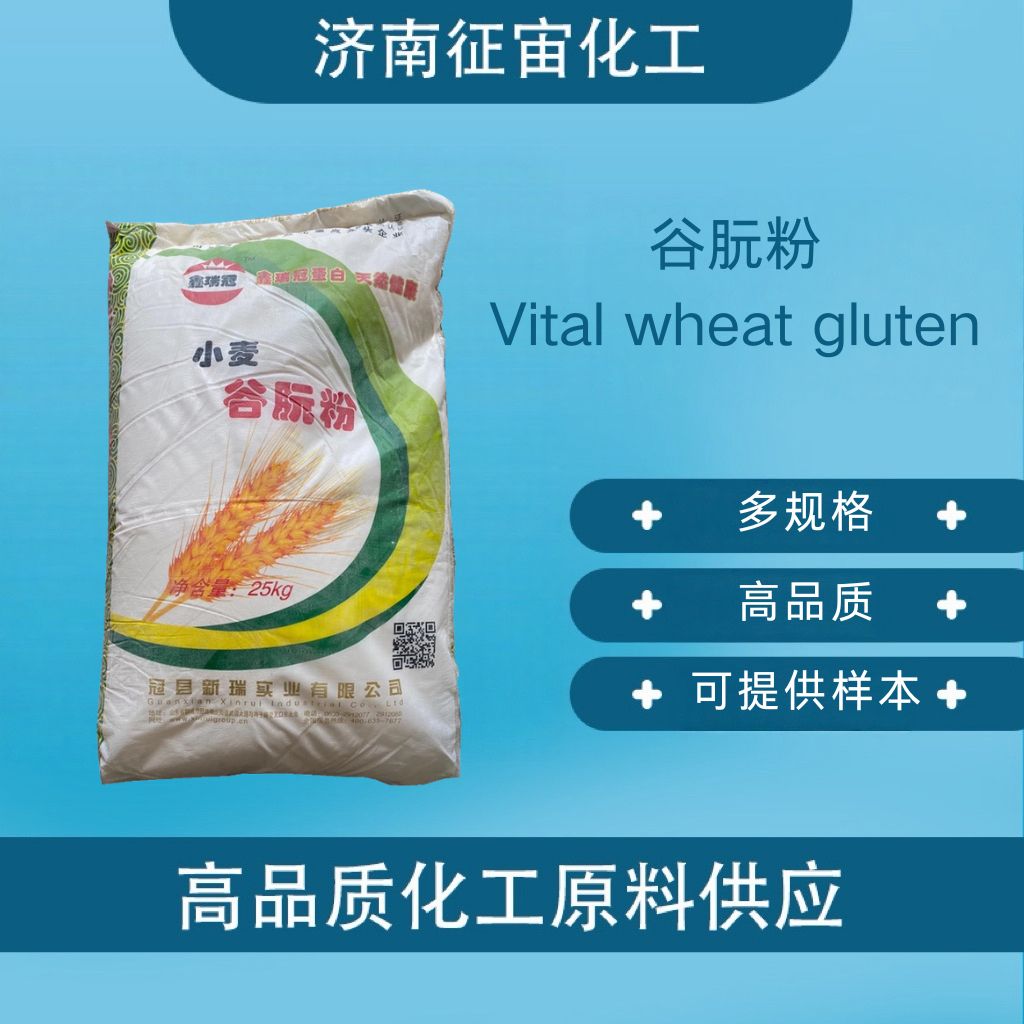


With the popularity of plant-based diets and healthy high-protein foods, gluten flour, which was originally a by-product of wheat processing, has become a necessary ingredient in the food industry. Its unique gel-forming, gas-holding, and water-retaining properties are irreplaceable. Whether it is improving the texture of bread and noodles, or simulating the meat-like fibers of vegetarian steaks and sausages, all these processes rely on gluten flour. This article systematically reviews the physicochemical properties of gluten flour, its applications in various fields, the selection and storage standards of raw materials, and the industry development prospects.
I. Basic Definition and Core Functional Characteristics of Gluten Powder
Production Process: Mix wheat with water to form dough, rinse and separate the soluble starch, dry and grind the remaining wet gluten at low temperature, and obtain a light yellow powder - gluten powder.
The protein content of these super-high plants is 70%-85%, much higher than that of soybeans and peas. It is low in fat and cholesterol, suitable for vegetarian and high-protein fitness formulas.
The strong adhesive and elastic film-forming properties enable it to cross-link upon contact with water, forming a continuous gluten network. It possesses stretching elasticity and the ability to retain air and water, making it the core functional component for improving baked goods.
It is naturally safe and suitable for use with a wide range of wheat-derived natural plant raw materials. It contains no chemical synthetic additives and can be used in ordinary food, health food, and feed raw materials.
The thermal coagulation characteristic is that the protein solidifies and forms a stable structure after high-temperature boiling or baking, stabilizing the product structure and reducing the cracking and softening of the finished product.
II. Industrial Application Scenarios in All Fields
1. Baking and Bread Products (Core Application)
Adding 5%-10% of gluten protein to bread, steamed buns, pizza, handmade ramen, and pasta can strengthen the gluten network, enhance the air retention ability of the dough, and result in uniform honeycomb air holes inside after baking, giving a firm and chewy texture; adding it to frozen dumplings and instant noodles can improve the toughness of the dough, making it less prone to peeling or falling off during freezing and baking, and extending the shelf life; at the same time, it can be used as a natural enhancer to replace chemical reinforcing additives.
2. Plant-based meat products
Gluten powder is the basic raw material for meat-free food products. By combining it with starch, oil, and seasoning ingredients, and through extrusion and maturation, it can simulate the texture of meat fibers, resulting in meat-free steaks, sausages, hamburgers, and minced meat. The global market for vegetarian and light food is continuously expanding, and the demand for gluten powder is also growing at a high rate simultaneously.
3. Feed Farming Industry
High-protein plant-based ingredients can supplement the protein sources in livestock and aquatic feed, balance the amino acid ratios in the feed, reduce the usage of expensive protein raw materials such as fish meal, and control the production costs of farming.
4. Expansion of emerging industrial fields
Environmental-friendly packaging materials: Using wheat gluten powder combined with starch to produce fully biodegradable films and edible packaging, replacing plastic packaging, with low carbon and compostable properties; Cosmetics and skincare products: Utilizing protein adsorption and moisturizing properties, adding natural masks and skin care ointments; Pharmaceutical excipients: Used as binder for tablets and sustained-release carriers.
Raw material selection, storage and usage tips: 1. Quality standards for gluten-free flour: Light yellow, milky-white powder, without lumps or moldy odors, protein content ≥ 72%; 2. Storage conditions: Store in a sealed, cool and dry place. Strictly avoid moisture; once it absorbs moisture, it will form lumps and lose its effectiveness, and may breed mold; 3. Dosage control: Generally, 5% - 10% is added to baked goods. Excessive addition will result in overly hard products and a chewy texture; 4. Prohibited groups: People with wheat gluten allergies must not consume products related to gluten-free flour, as it may trigger allergic reactions.
III. Current market status and development trends of the gluten-free flour industry
The global demand for plant protein continues to rise, and the gluten-free flour market is steadily expanding. In 2023, the global market size exceeded 1.5 billion US dollars, with a compound annual growth rate of 12%. The Asia-Pacific region has sufficient wheat production and a large base of vegetarian and bread consumption, making it a core growth market in the world.
The three core development directions of the industry:
Product functional upgrade: Enzymatic modification of gluten powder to enhance water solubility and digestion absorption rate; Complement with dietary fibers and active probiotics to develop high-protein functional meal replacements and sports nutrition foods;
Production technology innovation: Introduction of low-temperature drying and membrane separation purification processes to improve protein purity and activity; Relying on the recycling of wheat processing by-products to reduce raw material production costs;
Application boundaries continue to expand: Demand for biodegradable materials, pet food, and special breeding feed is growing rapidly; No longer limited to traditional food processing, extending the green biomanufacturing industrial chain. Conclusion
Gluten powder, relying on its natural high protein content and unique gluten network properties, has successfully transformed from a by-product of starch processing to a core ingredient in the food industry. With strong demand in the plant-based food and baking staple food sectors, and opening up growth opportunities in areas such as environmental-friendly new materials and animal feed. Manufacturers can develop differentiated functional raw materials by combining modification processes. Food processing companies can reasonably control the addition ratio and standardize storage, fully leveraging the core value of gluten powder in improving structure and simulating meat texture.
Become a creator on the food processing and packaging platform!
 Submit Now










 (All Rights Reserved)
 沪公网安备31010402001403号
