


 Buyer
Buyer Supplier

 Copy Link
 X
X Facebook
 Copy Link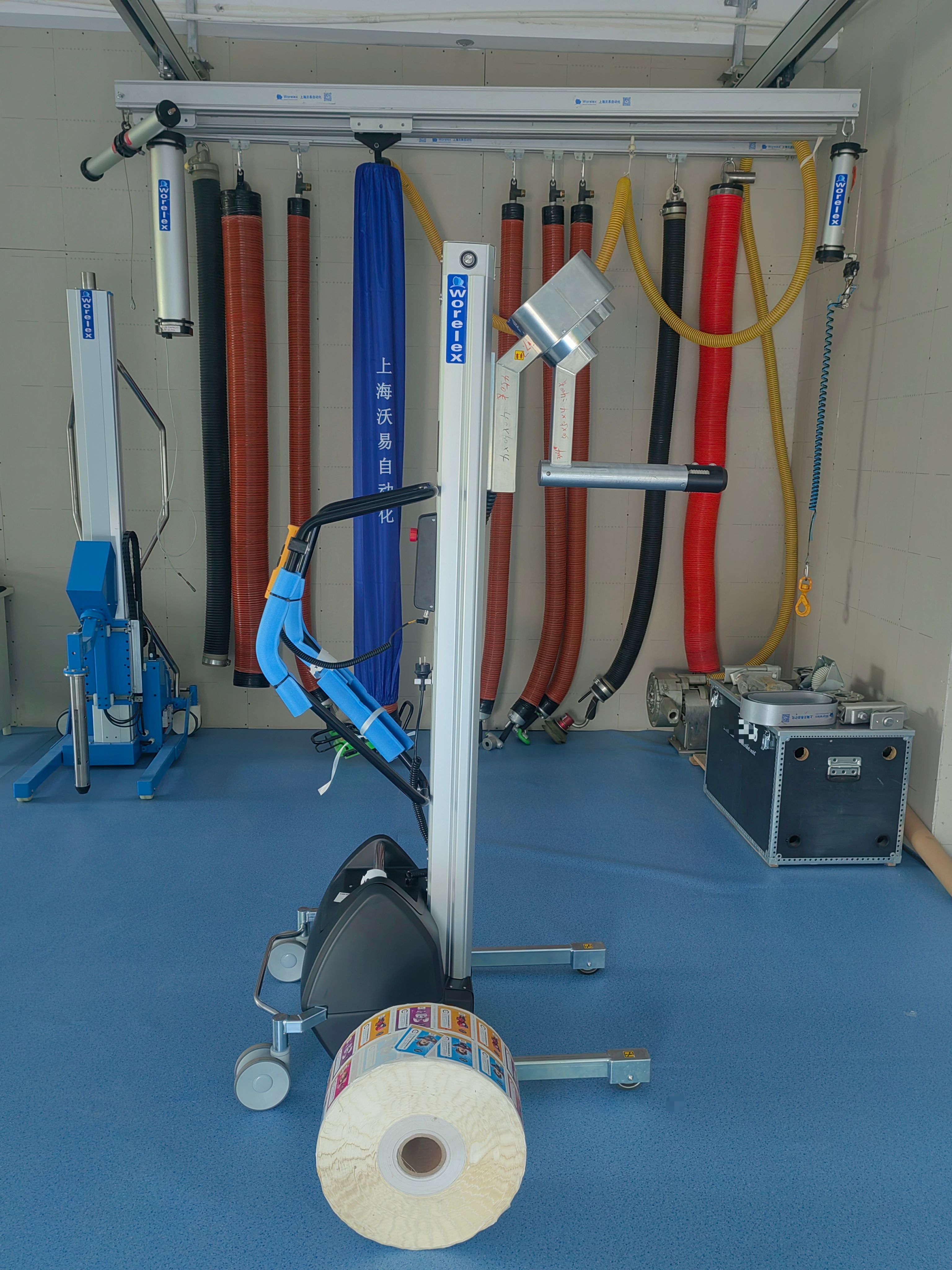

Become a creator on the food processing and packaging platform!



In the food production industry, the material transportation process serves as a crucial link connecting raw material processing, production, and final product packaging. Food-grade material transportation equipment, as the core equipment ensuring production continuity and product safety, its performance directly affects food quality, production efficiency, and the enterprise's compliance ability. With the increasing attention of consumers to food safety and the upgrading of the food industry towards intelligence, choosing equipment that meets standards has become an important indicator of an enterprise's competitiveness.
I. Core Features of Food-grade Material Conveying Equipment
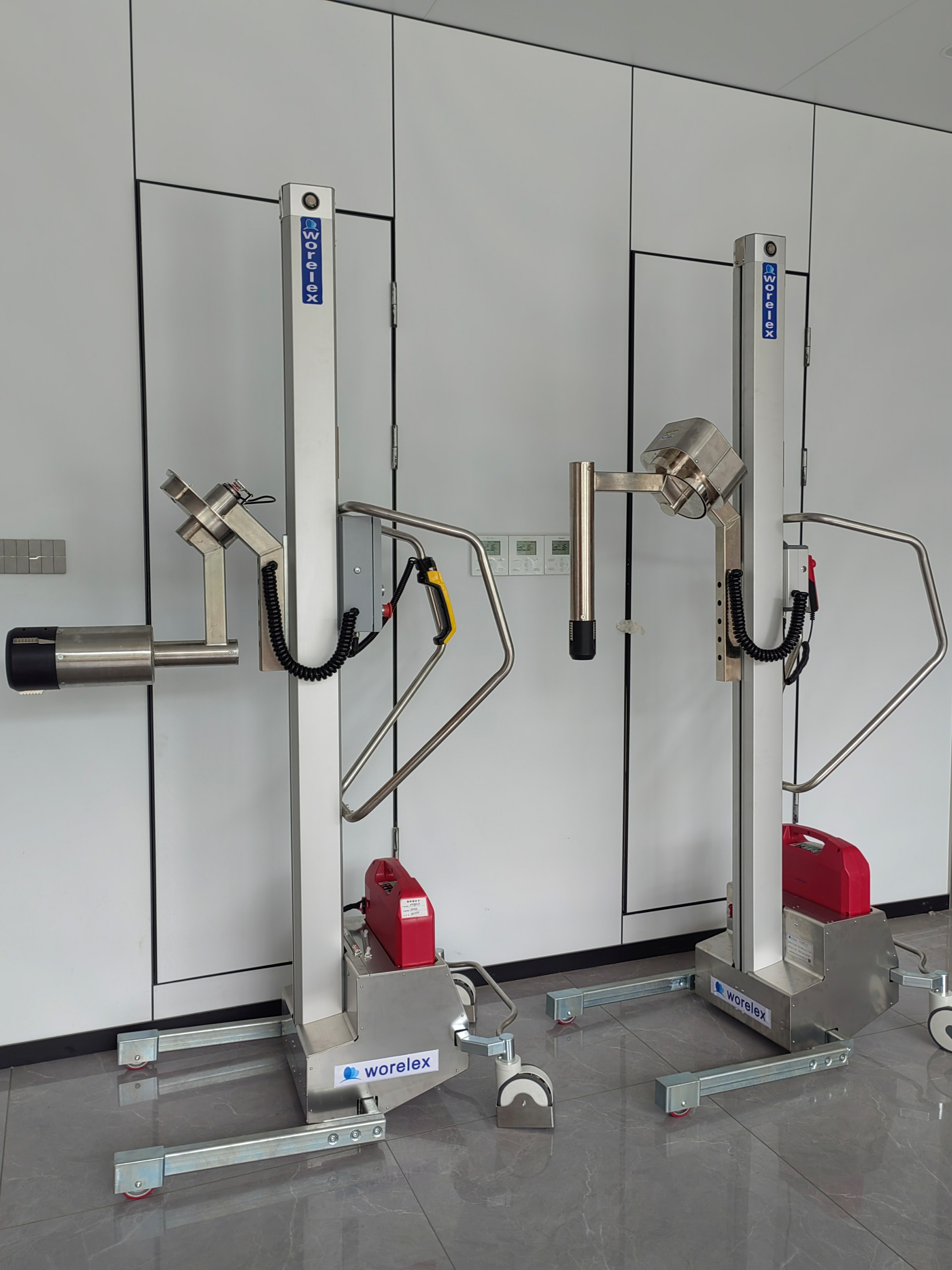
Illustration of food-grade material conveying equipment
The materials used for food-grade equipment are highly selected. The parts in contact with the materials mostly adopt 304, 316L stainless steel, food-grade silicone and environmentally friendly plastics. They comply with domestic GB 4806 and overseas FDA food contact material standards. During the production process, no harmful substances will be released, thus ensuring the food safety bottom line from the very beginning.
The entire machine adopts a seamless hygiene structure design. The surface is polished, making it difficult for stains to remain. The transmission components are sealed and protected, effectively preventing the growth of bacteria. Most models are equipped with in-situ cleaning systems, which can quickly complete disinfection and cleaning, and are compatible with HACCP food control system requirements.
The equipment is equipped with intelligent electronic control and sensing modules, which can precisely control the material conveying flow and operating speed, monitor the equipment condition in real time and automatically issue fault warnings. The intelligent regulation mode can reduce material collision losses and significantly improve the operational efficiency of the entire production line.
II. Equipment Selection Logic in Multiple Application Scenarios
Based on the material form, the corresponding conveying machine is selected. For granular grains and nuts, a sealed screw conveyor is used to prevent dust leakage; for powder materials such as milk powder and sugar powder, a vacuum feeding machine is adopted to achieve dust-free and clean transportation; for liquid materials such as cream and beverages, sanitary pump body equipment is combined to protect the original quality of the materials from being damaged.
Different food production segments have distinct requirements. The baking production line is suitable for belt conveyors and quantitative feeding equipment; the meat processing uses corrosion-resistant low-temperature conveying units; the fresh food cold chain relies on insulated conveying equipment to maintain stable storage and transportation temperatures throughout the process, ensuring the freshness of the ingredients.
The modular assembly structure is highly flexible and can quickly replace components to adapt to the production of various categories such as jam and dry goods. The flexible conveying device can smoothly transport irregular-shaped pastries and bread, effectively avoiding damage issues that may occur during transportation.
III. New Trends in Industry Development and Purchase Suggestions
Food regulations are becoming increasingly strict, driving the improvement of equipment's traceability control, environmental-friendly coatings, etc., to meet the production entry requirements both domestically and internationally. New wear-resistant and lightweight materials are gradually becoming widespread, and new technologies such as magnetic levitation drive have reduced equipment energy consumption and operating noise. The market share of intelligent models continues to rise.
When enterprises make purchasing decisions, they should pay attention to the following four points: matching the physical properties such as hardness and viscosity of the materials; verifying all the compliant qualification certifications; choosing the supply brand with efficient after-sales response; prioritizing the use of energy-saving motor equipment to reduce long-term electricity costs. The conveying system equipped with an impurity detection function can further reduce the risk of product impurities.
The selection of conveying equipment is crucial for product quality and the operational costs of the production line. With the continuous refinement of food processing, customized and intelligent equipment will become the mainstream. Enterprises regularly optimize the conveying system solutions and rely on digital equipment to achieve full-process safety control, thereby strengthening the quality defense line of food production.
Become a creator on the food processing and packaging platform!
 Submit Now










 (All Rights Reserved)
 沪公网安备31010402001403号
