


 Buyer
Buyer Supplier

 Copy Link
 X
X Facebook
 Copy Link

Become a creator on the food processing and packaging platform!


Oils, as an important basic raw material for the national economy, are widely used in the fields of food, chemical industry, and medicine. With the upgrading of consumption and the increasing demand for refined processing, oil processing machinery has become the core equipment driving the improvement and efficiency enhancement of the industry. This article will comprehensively analyze the value and future direction of oil processing machinery from aspects such as equipment classification, technical characteristics, application scenarios, and development trends.
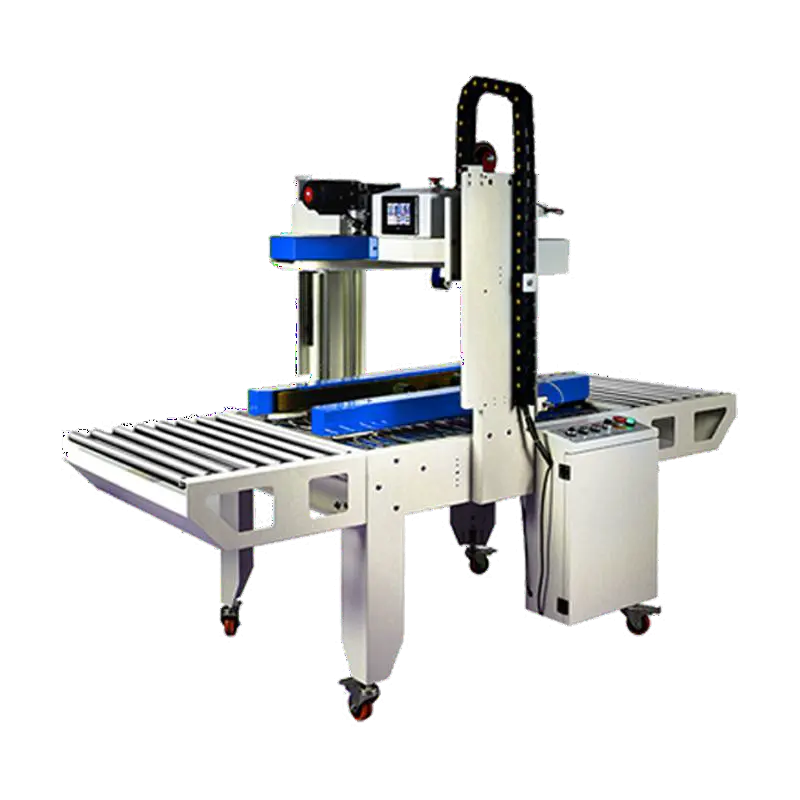
Pictures related to oil processing machinery
I. Core Classification and Characteristics of Oil Processing Machinery
Oil processing machinery can be classified into three major categories based on the process stages: pre-treatment, refining, and deep processing. Each category of equipment has its own unique functions and technical characteristics:
1. Pre-treatment machinery: The first line of defense for raw material quality
The pre-treatment stage is crucial for ensuring the efficiency of subsequent processing. The main equipment includes cleaning devices (such as vibrating screens, magnetic separators), crushing/deshelling machines, softening/tempering equipment, etc. The core feature of these machines is high impurity removal rate (up to 99% or more) and low-temperature treatment (to prevent oil oxidation). For example, the peanut deshelling machine, through precise gear design of rollers, can simultaneously complete stone removal and classification, avoiding excessive material fragmentation.
2. Refining Equipment: The Core Component of Quality Control
Refining machinery is responsible for key processes such as degumming, desalination, decolorization, and deodorization, and is the core equipment for enhancing the purity and safety of oils. Taking a continuous refining unit as an example, it is controlled by PLC automation and uses multiple vacuum deodorization towers (with a vacuum degree of 10-20 mmHg) to remove free fatty acids. Combined with decolorizing adsorbents (such as activated carbon), it achieves an increase in the whiteness of the oil. Compared to traditional batch-type equipment, the continuous refining unit can reduce energy consumption by 30% and minimize human intervention errors.
3. Advanced Processing Equipment: Expanding Product Application Scope
To meet the production demands of functional oils (such as DHA algae oil, conjugated linoleic acid CLA), advanced processing machinery has developed supercritical extraction devices, molecular distillation equipment, etc. For instance, the supercritical CO₂ extraction system can extract plant active components at low temperatures (around 40℃), retaining nutrients such as vitamin E to a large extent; while the fractionating machine, through low-temperature crystallization and centrifugal separation, can precisely produce high-purity palm stearin/sesamin, meeting the requirements of special industries such as chocolate.
II. Typical Application Scenarios and Market Demand
The selection and application of oil processing machinery should be closely aligned with the characteristics of raw materials and product goals. In actual production, there are mainly three application directions:
In the field of vegetable oil processing
In the pre-treatment section of the soybean oil processing line, the decontamination - softening - rolling pelletizing unit needs to work in coordination with the subsequent extrusion and extraction equipment; for rapeseed oil refining, the focus is on the degumming and deacidification process, and disc separators are often selected to achieve efficient centrifugal separation; in peanut oil processing, the dry method dehulling equipment, due to its high requirement for the integrity of peanut kernels, can effectively reduce the risk of aflatoxin contamination. According to industry data, a plant oil processing line with a daily processing capacity of 500 tons, when equipped with intelligent equipment, can reduce labor costs by more than 60%.
2. Process of Extracting Animal Fats
When processing animal fats such as lard and fish oil, special attention should be paid to the deodorization and de-scarification processes. The equipment for removing acid from animal fats usually adopts the physical refining method, where free fatty acids are removed by superheated steam and combined with plate heat exchangers to achieve heat recovery; for fish oil refining, molecular distillation technology is relied upon, where DHA and EPA are separated under vacuum (1Pa) and low-temperature conditions to avoid the destruction of heat-sensitive components. A large fish oil enterprise increased the product purity by 15% and reduced the unit energy consumption by 22% by replacing the old molecular distillation machine with a new type.
3. Customized production of special oils
The production of functional oils (such as medium-chain triglyceride MCT oil) requires dedicated equipment support. The supercritical extraction system can extract high-purity DHA from microalgae, and the CO₂ fluid has excellent solubility and mass transfer efficiency at the critical point (31.1℃/7.38MPa); while the microcapsule encapsulation equipment uses spray drying technology to turn the oil into microcapsule particles with a particle size of 5-30μm, enhancing the product's stability and biological utilization rate, and is widely used in infant nutrition food fields.
III. Intelligent and Green Technology Trends
In recent years, the mechanical equipment for oil processing has been rapidly evolving towards the "three aspects" direction, becoming the core driving force for promoting the high-quality development of the industry:
Integrating intelligent control technology
The application of Internet of Things technology enables devices to have remote monitoring and fault warning capabilities. For example, a certain brand's refining unit is equipped with an AI visual detection system, which can identify changes in oil color in real time and automatically adjust the deodorization temperature. By establishing a three-level control platform of "equipment - cloud - mobile phone", maintenance personnel can view the operating parameters of the equipment through the mobile APP, and abnormal data will be automatically pushed for warnings, reducing the equipment failure rate by 40% and increasing the efficiency of manual inspection by 80%.
2. Energy conservation and emission reduction have become mandatory requirements
Driven by the "dual carbon" goals, energy-efficient equipment has become the mainstream in the market. The new refining equipment adopts the internal heat steam deodorization technology (using the oil's own heat to preheat the steam), which saves 40% energy compared to the traditional external heat type; the large-scale leaching tanks optimize the thickness of the meal layer and the design of the solvent circulation, reducing solvent loss to below 0.15 kg/t, reaching international advanced levels. These technological upgrades not only reduce enterprise costs but also align with the sustainable development strategy.
3. Trends of Large-scale and Modular Design
The trend of large-scale production has led to the demand for large-scale equipment. For instance, a 1,000-ton-per-day oil refining production line has become a standard configuration in the industry. At the same time, modular design shortens the equipment installation period by 50%, making it particularly suitable for the phased commissioning requirements of new factories. A modular unit launched by a certain equipment manufacturer can flexibly combine the pre-treatment - refining - packaging system according to the customer's production capacity requirements, and the return on investment is increased by 25%.
IV. Key Considerations for Equipment Selection
When enterprises purchase mechanical equipment for oil processing, they need to comprehensively evaluate the following factors to avoid making hasty investments:
1. Compatibility of raw material characteristics: When the impurity content of the oil is high, it is advisable to choose efficient cleaning equipment. For example, for cotton seeds with an impurity content of over 15%, a three-stage stone removal system should be configured. 2. Capacity matching: Determine the equipment specifications based on the actual daily processing volume to avoid "using a large vehicle for a small task" which leads to energy waste. 3. Process compatibility: If the mixed oil extraction process is adopted, an evaporation system that matches the solvent stripping tower must be selected. 4. Environmental compliance: Prioritize choosing equipment that complies with the new "Comprehensive Emission Standards for Air Pollutants" to ensure that VOCs emissions are controlled below 10mg/m³.
V. Conclusion: Future Outlook of Oil Processing Machinery
As the transformation of oil processing moves from "basic production" to "functional development", intelligence, greenness, and customization will become the core directions for the development of equipment. In the future, equipment with capabilities such as AI visual inspection, digital twin operation and maintenance, and modular rapid upgrading will become the mainstream in the industry. For enterprises, choosing a supplier with mature technology and reliable services is the key to achieving long-term cost reduction and efficiency improvement.
Oleaginous food processing machinery is not only a production tool but also a key point for industry innovation. In the wave of the refinement and functionalization development of the food industry, advanced equipment will continuously empower the oleaginous food processing industry, driving the industry towards a higher-quality development stage.
Become a creator on the food processing and packaging platform!
 Submit Now










 (All Rights Reserved)
 沪公网安备31010402001403号
